
Lieferung heute & morgen

Qualitätsgarantie

Willkommens-Angebote freischalten: KOSTENLOSE Lieferung | Bis zu 80 % RABATT | Kostenlose 30-Tage-JoyPlus-Testphase
App herunterladen
Serving trays and serving platters should present food attractively while performing reliably in everyday use. In practice, however, unclear material specifications, unsuitable sizes or incorrect care instructions can quickly lead to disappointing purchases. This applies to private households as well as cafés, restaurants, hotels and catering businesses.
A decorative plate made from metal, aluminium or glass can be an eye-catching addition to the table, but that does not automatically mean it is suitable for food, the microwave or the dishwasher. Before buying, it should therefore be clear whether the product is genuinely intended for serving or is mainly designed to hold small items and decorative arrangements.
For example, Premier Housewares’ nickel-plated wire plate is described as being for decorative use. According to the product information, it is not suitable for use in the microwave, oven or dishwasher. It may be suitable for jewellery or decorative arrangements, but it should not be used for hot food without first checking the manufacturer’s instructions.
Bamboo plates, wooden plates and palm-leaf platters are often chosen for their natural appearance. Nevertheless, their care requirements can vary considerably. Mango wood and bamboo should generally not be soaked and are not necessarily suitable for the dishwasher. A product with a natural surface can swell, become discoloured or develop cracks if cleaned incorrectly.
If you are looking for sustainable tableware, you should therefore consider not only the material but also the cleaning method, moisture resistance and drying requirements.
A serving platter with a diameter of 25 cm provides enough room for snacks, cheese or fruit, but requires more storage space than a small serving plate. For a cheeseboard or snack platter, the usable inner surface is also important: a wide rim, raised sides or handles reduce the area actually available for placing food.
Before ordering, it is worth making a quick size comparison with an existing dinner plate or tray. This makes it easier to judge whether the serving platter will fit on the table, in the cupboard and, where applicable, in the dishwasher.
For a main course, plates measuring around 23 to 26 cm are often practical. Smaller versions are suitable for breakfast, cake, side dishes or snacks. Square designs, such as a 25 × 25 cm bamboo plate, use table space differently from round models and can work well with modern arrangements.
A plate with compartments is useful when different foods need to be kept separate. This can be helpful at parties, for children’s meals, picnics or catering events. For a classic cheeseboard or dessert buffet, however, a continuous surface is usually more flexible.
‘Dishwasher-safe plate’ should only be treated as a selection criterion when the product description expressly confirms this. Hand washing is often recommended for wood and bamboo. Even ceramic plates that are suitable for the dishwasher can be affected by sudden changes in temperature. Decorative surfaces, gold rims or delicate printed designs may require gentle cleaning.
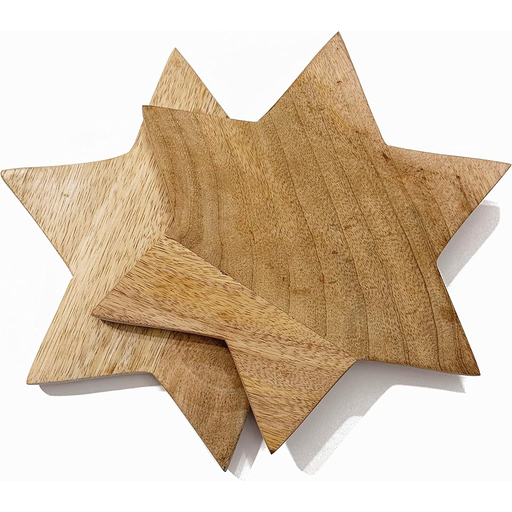
Why this product suits this profile: This two-piece set covers a range of serving occasions and is suitable for snacks, cheese, desserts or drinks at home.
The product information specifies the material, integrated handles and clear care instructions. This makes it clear that soaking and dishwasher cleaning are not recommended.
Two solid mango-wood platters with carrying handles; each piece features its own individual wood grain.
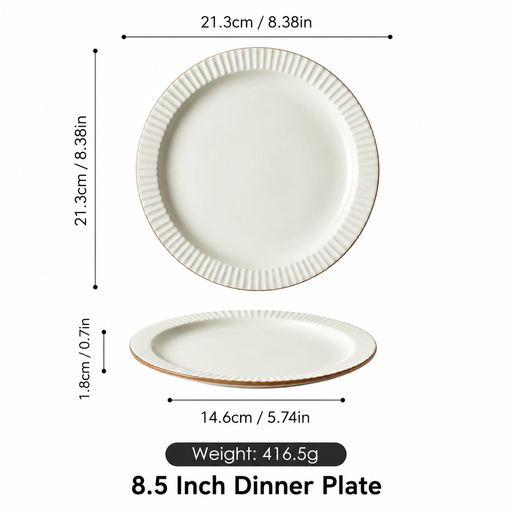
Why this product suits this profile: This cream-coloured plate with a ridged rim combines understated table styling with features suited to everyday use.
The specifications state the size as 21.3 cm and confirm suitability for the microwave, dishwasher and fridge. This means important everyday considerations can be checked before purchase.
High-fired ceramic, smooth glaze, a slightly raised rim and, according to the product information, dishwasher and microwave suitability.
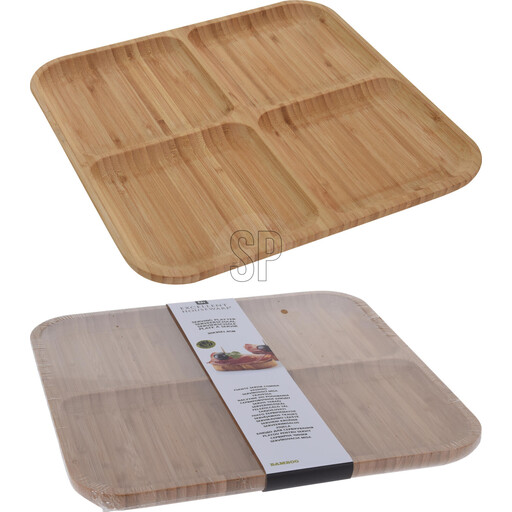
Why this product suits this profile: Four separate sections make it easier to arrange dips, vegetables, desserts or side dishes at family meals, parties and buffets.
The compartments prevent different foods from mixing directly with one another. The recommended hand washing also takes the bamboo material into account.
Sustainable bamboo, four compartments and a design suitable for cheeseboards, snack platters and buffets.
For cafés, hotels and catering businesses, quantity, stackability, cleaning effort and risk of breakage are often more important than design. A porcelain plate with a diameter of 25 cm may be suitable for creating a consistent table setting, while a shatterproof plastic or stainless steel plate can offer advantages during transport and frequent use. Suitability should always be checked against the product description and the intended temperature ranges.
If you prefer a natural presentation, you can also choose palm-leaf plates with a diameter of 23 cm or bamboo platters measuring 25 or 26.5 cm. However, different restrictions may apply to hot food, cutting or direct heat sources depending on the model.
We have put together a complete, regularly updated list of products that fully meet these strict selection criteria and the safety regulations applicable in the EU.
For snacks, fruit and cheese, around 23 to 30 cm is often practical. For main courses, the usable surface should be larger than that of a small serving plate. The height of the rim, the shape and the available storage space are also important factors.
Not necessarily. Hand washing is often recommended for mango wood and bamboo products. The relevant care instructions should be checked before purchase. Soaking, intense heat and prolonged exposure to moisture can damage natural materials.
A continuous snack platter is suitable for cheese, bread, fruit and decorative arrangements. A plate with compartments is useful when dips, side dishes or different snacks need to be kept separate. For frequent events, stackability and ease of cleaning may also be decisive.