With so much variety on the shelf, the search for the right sesame oil can quickly become overwhelming. Toasted or cold-pressed? Light or dark? Which oil is best for an authentic stir-fry, and which one enhances a salad dressing without overpowering it? Choosing the right product is crucial for the success of your dishes.
This guide is designed to help you navigate the options. It explains the key differences between the various types of sesame oil and presents a selection of products for different culinary uses. Our goal is to provide you with a solid basis for making an informed decision so you can buy the perfect sesame oil for your kitchen.
What to Look for When Buying Sesame Oil
To find the right product, it helps to have some basic knowledge about the production methods and properties of sesame oil.
1. Production Method: Toasted vs. Cold-Pressed
The biggest difference in taste and use lies in the manufacturing process.
- Toasted Sesame Oil: This oil, often called dark sesame oil, is pressed from pre-toasted sesame seeds. The toasting process develops an intense, nutty, and highly aromatic profile. It has a low smoke point and is therefore not suitable for high-heat frying. Instead, it is used as a finishing oil to add a final touch to dishes just before serving. It is a key ingredient in many Asian marinades, dressings, and dips.
- Cold-Pressed Sesame Oil: This light-coloured oil, often labelled "virgin," is extracted from untoasted seeds. The flavour is significantly milder, more delicate, and less dominant. Cold-pressed sesame oil is suitable for cold preparations, such as in light vinaigrettes, or for gentle sautéing at low temperatures. The nutrients are better preserved thanks to the gentle pressing method.
2. Composition and Quality: Purity and Organic Certification
The ingredients list provides insight into the quality and intended use of the oil.
- Pure Sesame Oil: Products declared as "100% pure sesame oil" consist exclusively of sesame. They offer the unadulterated, characteristic flavour and are ideal for recipes where the sesame aroma is meant to be the star.
- Blended Oils: Some products are blends of sesame oil and other vegetable oils, such as soybean oil. These are often more heat-stable and therefore better suited for cooking and searing at medium heat. They are also usually a more economical alternative for everyday use.
- Organic Sesame Oil: An organic seal guarantees that the sesame seeds come from certified organic farming and that no synthetic pesticides or fertilisers were used in their production.
Our Sesame Oil Recommendations
Here is a selection of different sesame oils suitable for various culinary endeavours.
Kadoya Gold Sesame Oil 436ml
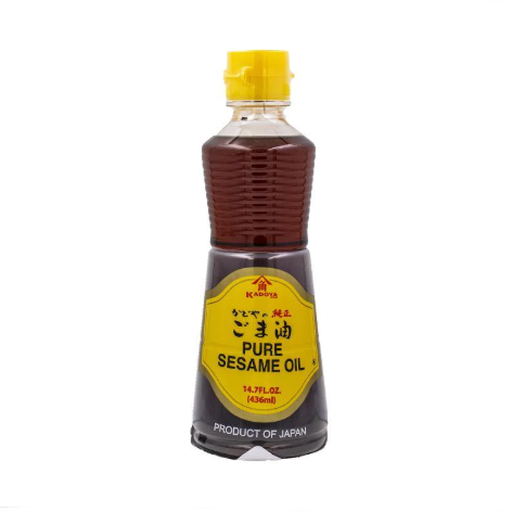
- What makes it special: This product is a classic Japanese sesame oil that gets its characteristic, deep aroma from the toasting of the seeds. It is produced in Japan and is a staple in many Asian kitchens.
- Product Details:
- Composition: 100% pure sesame oil.
- Flavour Profile: Strong, nutty, and aromatic.
- Use: Ideal as a finishing oil to enhance soups, noodle dishes, salads, and marinades.
- Best for: Fans of Japanese and Korean cuisine looking for an authentic and aromatic finishing oil.
LEE KUM KEE Pure Black Sesame Oil 207ml

- What makes it special: This oil is made from 100% black sesame seeds. This gives it a particularly intense, earthy, and slightly bitter aroma that distinguishes it from oils made from light sesame.
- Product Details:
- Composition: 100% oil from black sesame seeds.
- Flavour Profile: Very intense, robust, and earthy.
- Use: Excellent for seasoning cold appetisers, noodle salads, or for drizzling over steamed vegetables.
- Best for: Chefs seeking a dark sesame oil with a distinctive, powerful flavour profile for adding special accents to Asian cuisine.
LEE KUM KEE Premium Sesame Oil 207ml

- What makes it special: This is a blend of sesame oil (50%) and soybean oil. This combination was developed to achieve higher heat resistance and make the oil more versatile.
- Product Details:
- Composition:Sesame oil (50%), soybean oil.
- Flavour Profile: Balanced with a clear but not dominant sesame note.
- Use: Suitable as a sesame oil for cooking at medium heat, for example, in stir-fries and for searing. Can also be used as a finishing oil.
- Best for: Home cooks looking for a practical, everyday oil that is suitable for both cooking and seasoning and offers good value for money.
Alnatura Sesame Oil native 250ml
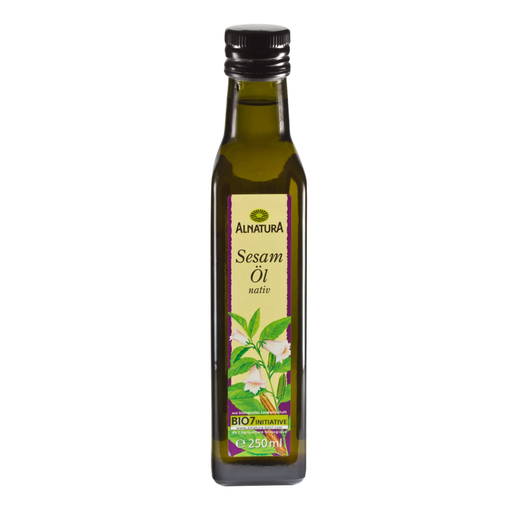
- What makes it special: This virgin, cold-pressed organic sesame oil is made from untoasted seeds from organic farming. The gentle production process preserves the mild flavour and nutrients of the sesame.
- Product Details:
- Composition: Virgin organic sesame oil.
- Flavour Profile: Mild, nutty, and subtle.
- Use: According to the manufacturer, not suitable for frying. Optimal for cold dishes like salad dressings, dips, or for finishing already cooked meals.
- Best for: Health-conscious consumers and cooks who prefer a high-quality, mild oil for cold preparations and value organic quality.
Discover More Options
Didn't see the variety you were looking for, or want to get an overview of the entire range? There are many other specialities to discover, from oils from specific growing regions to different bottle sizes.
Browse our complete selection of Seed Oils and find the perfect product for your kitchen.
Frequently Asked Questions (FAQ)
1. Can you fry with sesame oil?
It depends on the type. Toasted sesame oil has a low smoke point and burns quickly at high heat, causing it to become bitter. It is purely a finishing oil. Light, cold-pressed sesame oil can tolerate mild temperatures and can be used for gentle sautéing. Special blended oils containing soybean or other heat-stable oils are explicitly designed as sesame oil for cooking and frying at medium heat.
2. What is the difference between light and dark sesame oil?
The difference lies in the production and taste. Light sesame oil is cold-pressed from raw, untoasted seeds and has a mild, subtle flavour. Dark sesame oil is pressed from toasted seeds, which gives it its dark colour and a strong, nutty-aromatic profile.
3. How do you store sesame oil correctly?
Sesame oil should be stored in a cool, dark place, away from direct sunlight, to prevent it from going rancid. After opening, it is advisable to keep the bottle tightly sealed. Some manufacturers recommend storing it in the refrigerator after opening; please check the instructions on the label.


