Finding the right sesame oil can be a challenge. Store shelves are filled with a variety of light and dark oils, toasted versions, and products from different countries of origin. Each type has its own unique flavor profile and is intended for specific culinary uses. This guide will demystify the options and help you find the perfect sesame oil for your kitchen, whether for frying, seasoning, or finishing your dishes.
What to Look for When Buying Sesame Oil
To make an informed decision, it helps to have some basic knowledge about the different types of sesame oil. Here are three key points to consider.
1. Light vs. Dark Sesame Oil: Your Intended Use is Key
The most noticeable difference between sesame oils is their color, which is directly related to the production process.
- Light Sesame Oil: This oil is pressed from untoasted sesame seeds. It has a light, golden-yellow color and a mild, nutty flavor. Due to its higher smoke point, it is well-suited as sesame oil for cooking, such as for sautéing vegetables or meat over medium heat.
- Dark Sesame Oil: Also known as toasted sesame oil, this is extracted from roasted sesame seeds. The toasting process gives it a dark amber color and an intense, aromatic, and deep nutty flavor. It has a lower smoke point and is therefore not suitable for high-heat frying. Instead, it's used as a seasoning or finishing oil to add a powerful flavor note to dishes like soups, salads, noodles, or marinades just before serving.
2. Purity and Composition: Pure Oil or a Blend?
The ingredient list reveals the quality and flavor of the oil.
- Pure Sesame Oil: Products labeled as pure sesame oil consist of 100% sesame oil. They offer an unadulterated, characteristic flavor and are often the preferred choice for enthusiasts of authentic Asian cuisine. Japanese sesame oil, in particular, is known for its high quality and balanced aroma.
- Sesame Oil Blends: Some products are blends of sesame oil and other neutral vegetable oils, such as soybean oil. These are often more cost-effective and can be more versatile, as the smoke point is influenced by the added oil. The sesame flavor is typically less dominant in these blends.
3. Seed Type: The Unique Character of Black Sesame Oil
In addition to the common light sesame, there are also products made from black sesame seeds.
- Black Sesame Oil: This oil is pressed from black sesame seeds, which are also often toasted. Black sesame oil is distinguished by an exceptionally deep, earthy, and robust nutty aroma. It is a specialty ingredient used selectively to give certain dishes a distinctive, intense note.
Top Sesame Oil Picks
Based on these criteria, we've curated a selection of sesame oils that cover a range of applications.
Kadoya Gold Sesame Oil 218ml
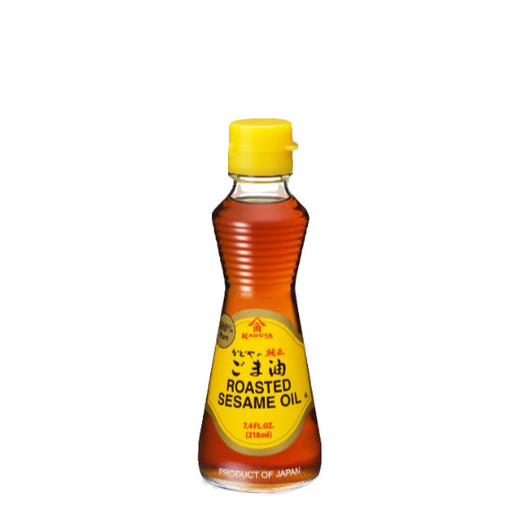
- Why it stands out: This product is a classic example of a high-quality, toasted Japanese sesame oil. It is made from carefully selected sesame seeds and offers a deep, nutty aroma characteristic of many Japanese and Asian dishes.
- Pros: Made from 100% pure sesame oil with no other additives. Its dark color and intense aroma make it an ideal finishing oil.
- Who it's for: Home cooks and foodies who appreciate the authentic taste of Asian cuisine and are looking for a high-quality seasoning oil to finish dishes like ramen, dressings, or dips.
LEE KUM KEE Premium Sesame Oil 207ml

- Why it stands out: This oil is a blend of sesame oil (50%) and soybean oil. This combination creates a balanced product that can be used for both medium-heat cooking and seasoning.
- Pros: The blend makes it a versatile and cost-effective option for everyday use. It offers a pleasant sesame aroma that isn't overpowering.
- Who it's for: Anyone looking for a practical, all-purpose oil for Asian cooking. It's great for beginners or for applications where a milder sesame flavor is desired.
SANFENG Pure Toasted Black Sesame Oil 227ml
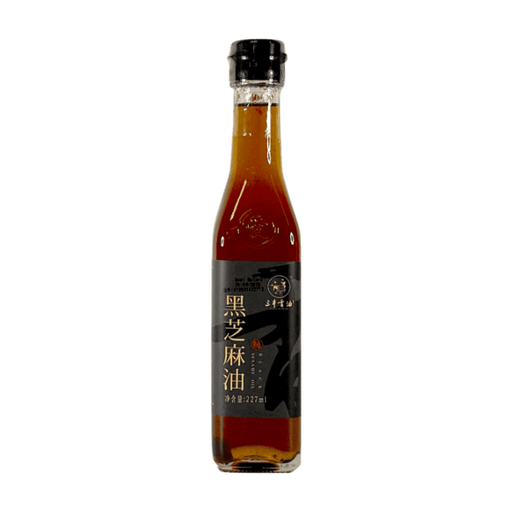
- Why it stands out: This oil is made from 100% roasted black sesame seeds. It offers an exceptionally intense, earthy, and nutty flavor profile that is distinctly different from oils made with white sesame seeds.
- Pros: As a pure sesame oil from black seeds, it delivers a unique and powerful flavor. It is cold-pressed and ideal for adding a special depth to cold dishes, noodles, or soups.
- Who it's for: Adventurous cooks and connoisseurs looking for a specialty black sesame oil with a distinctive, robust aroma to elevate their dishes to a new level of flavor.
Looking for More Options?
This selection represents just a small sample of the sesame oils available. Every kitchen and every recipe has different needs. If you want to explore more varieties or are searching for a specific oil, you're sure to find the right fit in our broader product category.
Discover our full range of natural sesame oil and find the perfect addition to your kitchen.
Frequently Asked Questions About Sesame Oil
1. Can you fry with toasted sesame oil? Toasted sesame oil has a relatively low smoke point and an intense flavor that can turn bitter over high heat. It is therefore best used as a seasoning oil, added at the end of the cooking process or to finish cold dishes. For frying at higher temperatures, light, untoasted sesame oil is the better choice.
2. What is the difference between dark and black sesame oil?Dark sesame oil is typically made from roasted white sesame seeds and has a strong, nutty aroma. Black sesame oil, on the other hand, is derived from black sesame seeds. Its flavor is often even more intense, earthy, and complex than that of conventional dark sesame oil.
3. How should sesame oil be stored to maximize its shelf life? Sesame oil should be stored in a cool, dark place, away from direct sunlight or heat sources. Oxygen and light can cause the oil to go rancid. After opening, the bottle should always be tightly sealed to preserve its freshness and aroma.


