
Lieferung heute & morgen

Qualitätsgarantie

Willkommens-Angebote freischalten: KOSTENLOSE Lieferung | Bis zu 80 % RABATT | Kostenlose 30-Tage-JoyPlus-Testphase
App herunterladen
Hello, I'm Joy, your Product Recommendation Officer at Joybuy. If you've ever stood in front of the shelf wondering about the difference between tahini, Chinese sesame paste, and black sesame paste, you've come to the right place. The selection can be confusing, but the right paste is crucial for the authentic flavour of your dish—be it creamy hummus, a nutty noodle dressing, or an aromatic dip for your hot pot.
This guide is designed to help you understand the different types of sesame paste and make an informed decision. We'll look at the key characteristics and present a selection of products suited for specific culinary projects.
To find the right sesame paste, it's helpful to focus on three key aspects: the type of sesame, its origin, and the purity of the ingredients.
The colour of the paste provides the first clue to its flavour and use.
The processing method, which varies by country of origin, has a major impact on texture and aroma.
A look at the label is often revealing. High-quality products consist of just one ingredient: 100% sesame. Some manufacturers add salt or other oils, which can alter the taste and texture. For a pure, unadulterated flavour and for anyone looking for a natural, vegan spread, a paste with no additives is the clear choice. A natural separation of oil on the surface is normal in pure pastes and a sign of quality—simply stir well before use.
Based on these criteria, we have curated a selection of sesame pastes suitable for various culinary applications.
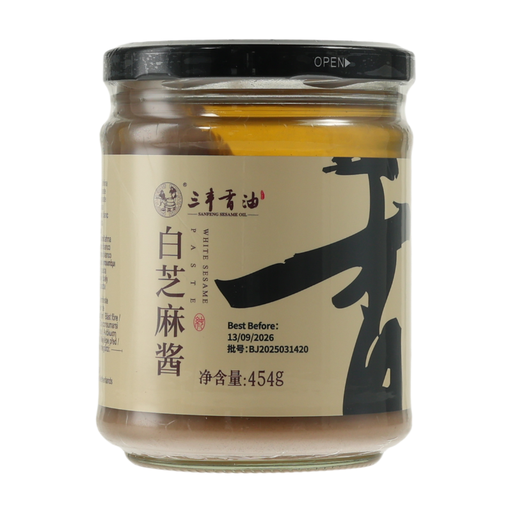
Why It Stands Out: This paste from Sanfeng is a classic example of a Chinese sesame paste made from white seeds. It is produced from carefully selected white sesame seeds and is characterized by a rich, creamy texture and a delicate, nutty aroma developed through roasting.
Benefits:
Who It's For: Ideal for home cooks looking for an authentic base for Chinese dishes like cold noodles (Liang Mian), savoury sauces, or creamy salad dressings.
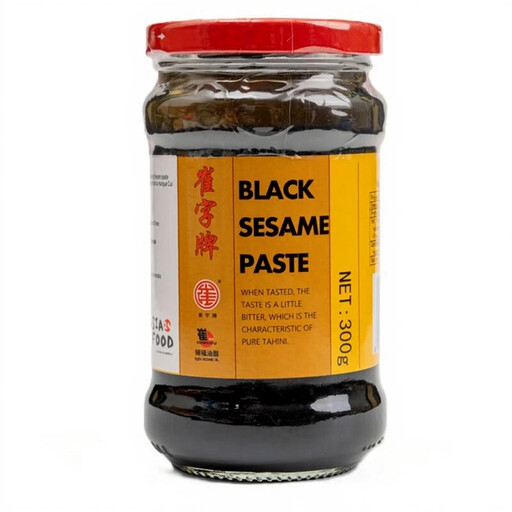
Why It Stands Out: The black sesame paste from Cui Zi Pai, a traditional Chinese brand, is made using a time-honoured stone-grinding process. This slow, low-temperature grinding preserves nutrients and releases the full aroma of the black sesame seeds. The result is an exceptionally smooth and fragrant paste with no additives.
Benefits:
Who It's For: For lovers of Asian cuisine seeking a robust dip for hot pot, a filling for pastries, or a flavourful vegan spread with character.
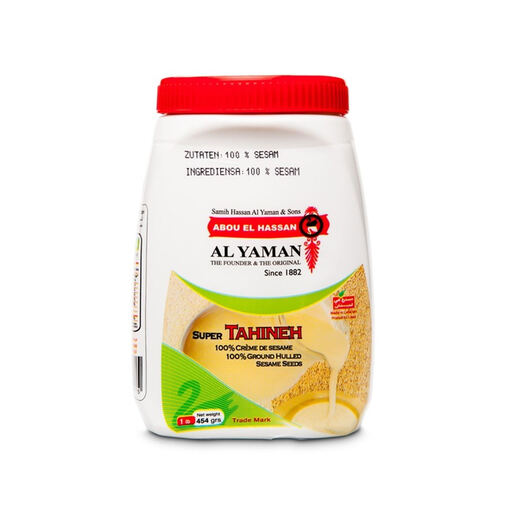
Why It Stands Out: Al Yaman Tahina is a prime example of authentic Lebanese tahini. Made in Lebanon from 100% ground sesame seeds, it offers the pure, unadulterated flavour needed for Middle Eastern cuisine. The paste is free from bleaching agents or additives and has a smooth, easily pourable consistency.
Benefits:
Who It's For: Essential for anyone wanting to prepare classic, creamy hummus, smoky baba ghanoush, or the garlic-sesame sauce, tarator. An excellent choice for Mediterranean cooking.
Sesame is incredibly versatile. If you're interested in ready-made dressings or other sesame-based condiments in addition to pure paste, you can find more products in our broader category.
Explore our full range of Sesame Dressing and find more great products for your kitchen.
What is the difference between tahini and sesame paste?Tahini (or tahin) is a specific type of sesame paste. The term typically refers to the version common in the Middle East, made from hulled, raw, or very lightly toasted sesame seeds. The broader term sesame paste covers all pastes made from sesame, including the darker and more robust Asian varieties made from heavily roasted or black sesame seeds.
Can you use sesame paste as a spread on its own? Yes, both white and black sesame pastes work well as a vegan spread. White sesame paste has a taste reminiscent of an unsweetened, nutty butter. Black sesame paste offers a more intense, slightly bitter flavour. For those who prefer it sweeter, the paste can be enhanced with a bit of honey or maple syrup.
How do I properly store opened sesame paste? After opening, sesame paste should be stored tightly sealed in the refrigerator. This slows down the natural oils from going rancid and preserves its freshness. It is normal for the oil to separate and rise to the surface. Stir the paste vigorously before each use to restore its creamy consistency. Always follow the storage instructions on the product label.