
Lieferung heute & morgen

Qualitätsgarantie

Willkommens-Angebote freischalten: KOSTENLOSE Lieferung | Bis zu 80 % RABATT | Kostenlose 30-Tage-JoyPlus-Testphase
App herunterladen
Sesame paste is a cornerstone ingredient in many Asian cuisines, from Chinese noodle sauces to Japanese dressings. However, the selection can be overwhelming. The wrong product can compromise a dish's flavour or be unsuitable for your intended recipe. This guide will help you avoid the most common pitfalls and make an informed decision.
Many shoppers grab the wrong product because the differences aren't obvious at first glance. Pay attention to these points to avoid disappointment:
To find the right sesame paste, you should check two or three fundamental characteristics. These determine the product's flavour, consistency, and application.
The most important distinction lies in the composition. Check whether you are dealing with a pure product or a blend.
The colour of the sesame seeds has a significant impact on the flavour profile.
Natural oil separation is not a flaw but often a sign of quality. In pure sesame pastes without emulsifiers, the sesame's own oil will separate and rise to the surface over time. This indicates that no artificial stabilisers have been added. Before use, the paste must be stirred vigorously to recombine the oil and solids into a homogeneous mixture. A very firm consistency in the jar is typical for pure pastes.
Here are some recommendations tailored to different needs and use cases.
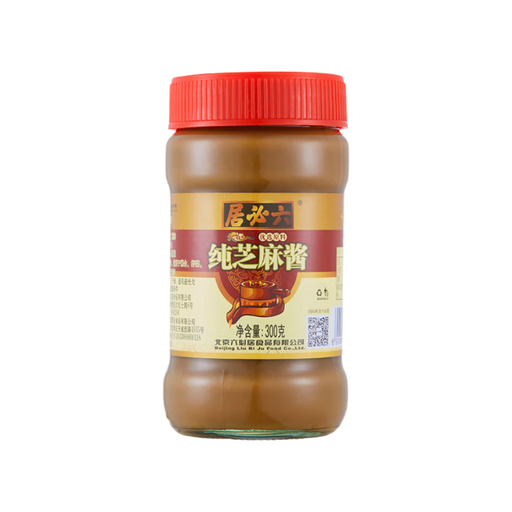
Why This Fits Their Persona: Ideal for home cooks who want complete control over the flavour of their dishes. This paste serves as a pure base for authentic Chinese recipes like hot pot dipping sauces or cold noodle salads (Liángmiàn).
According to the ingredients list, it consists of 100% sesame. This avoids the trap of hidden additives and confusion with a finished sauce. You get the pure, unadulterated ingredient.
Maximum versatility for creating your own sauces. The intense flavour of roasted sesame seeds is the foundation of an authentic Chinese sesame paste.
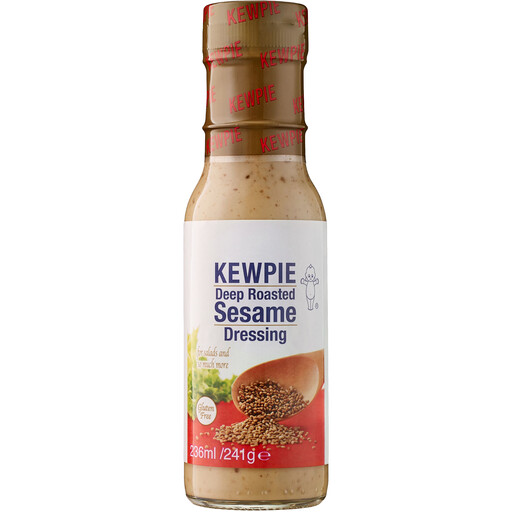
Why This Fits Their Persona: Perfect for anyone who needs a quick and easy way to dress a salad or create a dip for vegetables and chicken. This Japanese dressing is ready to use instantly.
It is clearly labelled as a sesame dressing, not a pure paste. The user knows exactly what they are getting—a finished, seasoned product—thus avoiding any confusion.
No preparation required. The flavour is creamy, nutty, and slightly sweet thanks to the combination of roasted sesame and soy sauce. Ideal for quick, convenient use.
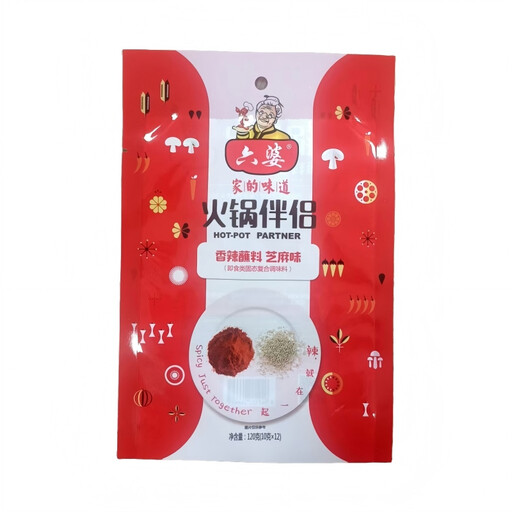
Why This Fits Their Persona: Specially designed for lovers of Sichuan cuisine who want an authentic, spicy dip for hot pot, grilled meats, or Malatang. This product combines sesame with signature heat.
This is a ready-made spicy sesame sauce in powder form. It solves the problem of a pure paste not delivering the desired heat and complexity for a hot pot dip on its own.
Combines sesame (20%) and chilli (50%) for a balanced flavour. Can be used as a dry dip or mixed with oil to form a sauce, making it highly flexible for various applications.
If you want to buy other Asian sauces, we have compiled a complete, up-to-date list of products that meet these selection criteria.
1. How do you properly dilute Chinese sesame paste? Pure Chinese sesame paste is very thick. To turn it into a sauce, place the desired amount in a bowl. Then, slowly add warm water or a neutral oil, one tablespoon at a time, while stirring vigorously in one direction. At first, the paste will seize up and get even thicker, but as you continue to stir and add liquid, it will suddenly become creamy and smooth. Continue until you reach the desired consistency.
2. What is the difference between Chinese sesame paste and tahini? The main difference lies in the roasting level of the sesame seeds. Chinese sesame paste is made from heavily roasted seeds, which gives it a darker colour and a deep, nutty aroma. Tahini, common in Middle Eastern cuisine, is typically made from lightly roasted or even raw seeds. It is lighter in colour, milder in taste, and often has a runnier consistency. For most Chinese recipes, the roasted version is the more authentic choice.
3. How long does opened sesame paste last, and how should it be stored? Once opened, sesame paste should be stored in the refrigerator to maintain freshness and slow down the oils from going rancid. Always seal the jar tightly. A pure sesame paste can last for several months in the fridge. If oil separates on the surface, simply stir it back in before your next use. Always check the product label for specific storage instructions.