
Lieferung heute & morgen

Qualitätsgarantie

Willkommens-Angebote freischalten: KOSTENLOSE Lieferung | Bis zu 80 % RABATT | Kostenlose 30-Tage-JoyPlus-Testphase
App herunterladen
By the Joybuy Product Recommendation Officer Published August 28, 2026
Sesame paste is a key ingredient that lends a distinctive nutty depth to dishes from hummus to hot pot dips. However, when you're shopping, the variety can be overwhelming. Choosing the wrong type or falling for marketing claims often leads to disappointing results. This guide will help you understand the differences and make an informed decision.
Many shoppers reach for the wrong product because the differences between the pastes aren't obvious at first glance. Pay attention to these three points to avoid making the wrong choice:
To find the right sesame paste, you should check two key parameters. These will help you objectively evaluate a product's quality and intended use.
The flavour of a sesame paste is largely determined by the origin and intensity of the roast.
A look at the ingredient list is essential.
Here are some recommendations tailored to different needs and culinary projects.
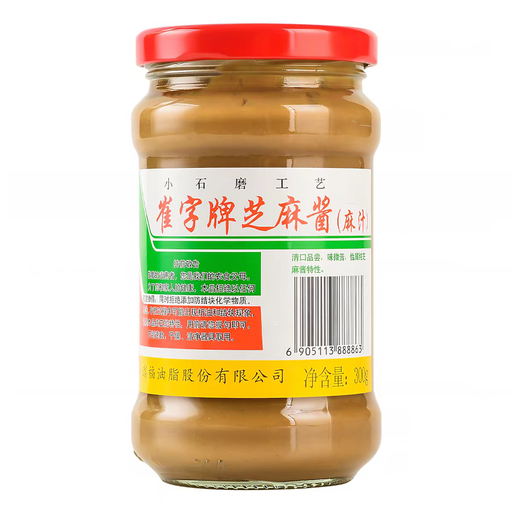
Why It's a Match: Ideal for home cooks seeking the unadulterated, robust flavour of roasted sesame for traditional Chinese dishes like hot pot dips or cold noodle sauces.
This product is made from 100% sesame. There are no hidden fillers or sugars that could compromise the authentic flavour.
The traditional stone-grinding process ensures an exceptionally fine and creamy texture after stirring. Its intense roasted flavour is characteristic of Chinese cuisine.
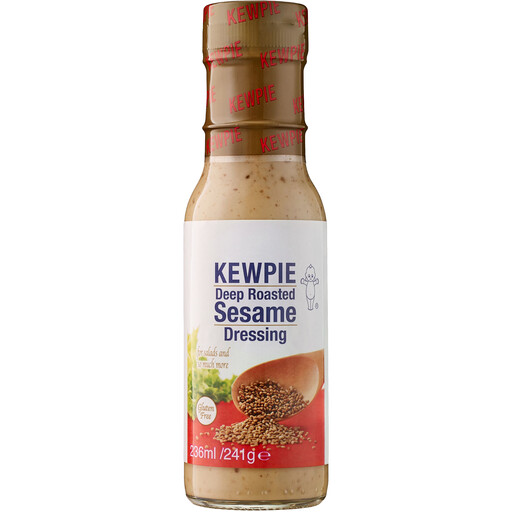
Why It's a Match: Perfect for anyone looking for a quick yet flavourful solution for salads, bowls, or as a dip for vegetables and chicken.
This product is clearly labelled as a dressing, avoiding confusion with pure paste and delivering a ready-to-use, balanced flavour experience.
The combination of roasted sesame, tamari soy sauce, and vinegar creates a complex, sweet-and-savoury umami flavour. The bottle allows for easy dispensing.
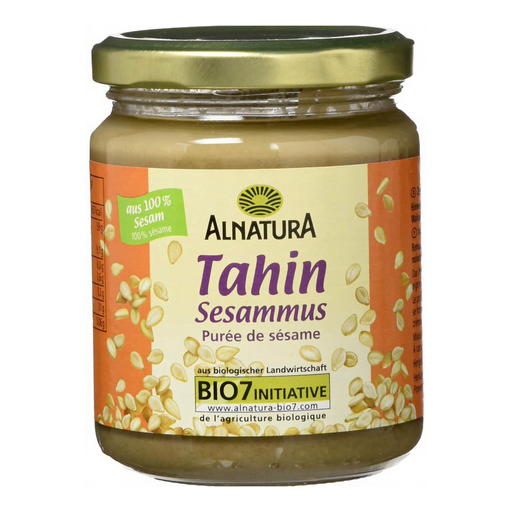
Why It's a Match: An excellent choice for those who prioritise organic ingredients and are looking for a versatile, mild sesame paste for hummus, dips, or refining sauces.
This product is certified as organic tahini (NL-BIO-01) and is unsalted. It contains no additives and meets the standards for a pure, natural food.
The blend of hulled and unhulled organic sesame provides a balanced, nutty flavour. The paste is versatile for use in Mediterranean and Middle Eastern cuisine.
We have compiled a complete, up-to-date list of products that fully meet these strict selection criteria.
The main difference lies in the roast level and the origin of the seeds. Tahini is made from lightly roasted, hulled sesame seeds and has a mild flavour, making it well-suited for hummus and other Middle Eastern dishes. Chinese sesame paste is made from heavily roasted seeds, which gives it a darker colour and a much more intense, nutty, and robust flavour. It is the foundation for many sauces in Chinese cuisine.
Yes, this is completely normal and even a good sign. It indicates that the product contains no artificial emulsifiers or stabilisers. Over time, the heavier sesame solids settle at the bottom while the lighter sesame oil rises to the top. Simply stir the paste vigorously with a spoon or fork before use until it returns to a smooth, creamy consistency.
Thick, pure sesame paste needs to be thinned to be used as a sauce. Place the desired amount of paste in a bowl. Gradually add lukewarm water while stirring vigorously. At first, the paste will clump and seize up, but with continued stirring and more water, it will suddenly become smooth and liquid. You can then season it to taste with soy sauce, rice vinegar, garlic, a little sugar, or chilli oil.