
Lieferung heute & morgen

Qualitätsgarantie

Willkommens-Angebote freischalten: KOSTENLOSE Lieferung | Bis zu 80 % RABATT | Kostenlose 30-Tage-JoyPlus-Testphase
App herunterladen
Sesame sauce is one of the most versatile ingredients in Chinese and Asian cooking. It works well as a sesame sauce for hot pot, with dumplings, in salads and marinades, or as a creamy base for Chinese noodles with sesame sauce. But products can vary considerably: some contain only sesame, while others combine sesame paste with peanuts, chilli, soy sauce, sugar or oil.
If you focus only on words such as “traditional”, “roasted” or “authentic” when buying, you could miss important details. The key things to check are the ingredients, allergens, consistency, pack size and how you plan to use it.
Ideally, pure sesame paste contains just sesame, sometimes made from roasted sesame seeds. Ready-made sauces and dressings, on the other hand, often contain additional oil, sugar, salt, vinegar, soy sauce or spices. These affect the flavour, calorie content and ways you can use the product.
Tahini isn’t automatically the same as Chinese sesame paste, either. Tahini is often made from hulled or unhulled sesame seeds and is widely used in many Levantine recipes. Chinese sesame paste, by contrast, is often made from roasted sesame seeds, giving it a richer, more aromatic flavour.
A spicy sesame sauce may contain chilli, Sichuan pepper or chilli oil. With some products, the heat is part of the ready-made sauce; with others, the seasoning and oil come in separate sachets. This is handy because you can adjust the intensity to suit your taste.
If you’re looking for a mild sauce for salads or cold noodles, check the ingredients for chilli, pepper and hot oils. A spicy version, on the other hand, could be a good choice for hot pot or Sichuan dishes.
Small sachets or 60 g portions are suitable for individual meals, while jars of 200 to 454 g are better suited to regular use. Many products need to be refrigerated after opening and used within a certain period. So, if you’re considering a larger pack, think realistically about how often you’ll use sesame sauce.
Sesame is an allergen that must be declared. Depending on the recipe, products may also contain soya, wheat or gluten, peanuts, mustard or celery. It’s worth checking each individual seasoning sachet carefully, especially with Chinese instant noodles and hot pot sauces.
A sauce with “SESAME” as its ingredient is a good choice if you prefer a shorter ingredients list. Products with soy sauce, vinegar and spices are already more heavily seasoned and can be used straight away.
Pure sesame paste can separate in the jar. A visible layer of oil is normal with these products. Stir the paste thoroughly before use. You can then thin it with warm water, soy sauce, vinegar or spices to make a sesame dressing or noodle sauce.
Powdered versions save space and can be mixed up in individual portions. For HAIDILAO Sesame Sauce Powder Spicy Flavor 130g, the product information recommends mixing with water at a ratio of approximately 1:1 to 1:1.5. You can adjust the thickness to suit your preference.
Sesame pastes are made mostly from ground sesame seeds, so they are often high in fat. Ready-made sauces may also contain sugar and salt. As a guide, compare the figures per 100 g or per 100 ml, rather than looking only at the serving size shown on the front of the pack.
For example, according to the product information, Jiadianziwei Spicy Sesame Paste Dressing 60g contains 5.8 g of salt per 100 g. So, when using it as a dip or noodle sauce, a small amount is often enough. You can thin it with water or other ingredients.
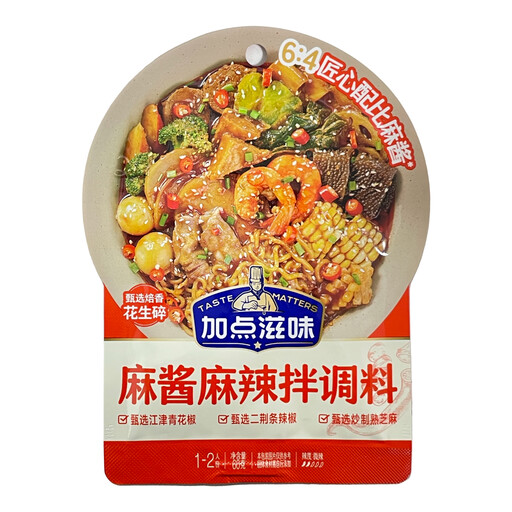
Why this product suits this profile: The 60 g pack is ideal for individual dishes, trying something new or households that don’t use much sesame sauce. Its spicy flavour works well with dumplings, noodles and dips.
The small pack size reduces the risk of having to store an opened product for a long time.
60 g net weight and a spicy recipe with sesame paste; according to the product information, store in a cool, dry place away from light.
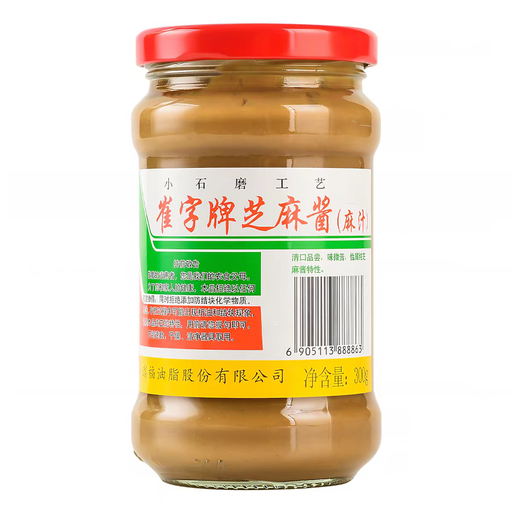
Why this product suits this profile: According to the product information, the paste contains only SESAME and is intended for hot pot, cold noodles, vegetables and spreads.
The ingredients list is short; according to the product information, it contains no added sweeteners, chilli or soy sauce.
300 g contents, a finely ground consistency according to the product description, and versatile use as a base for dips and dressings.
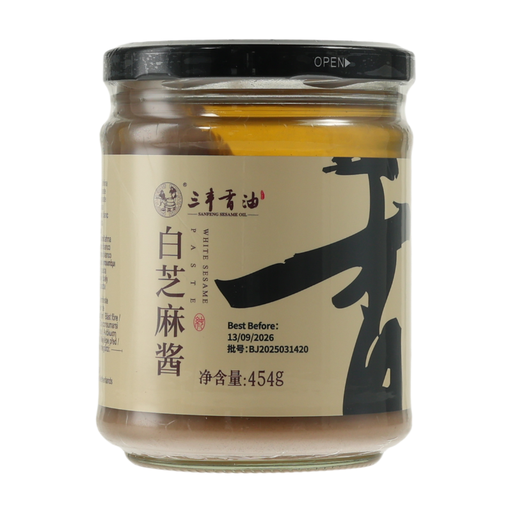
Why this product suits this profile: The 454 g pack is aimed at households that regularly use sesame sauce in dressings, marinades, desserts and hot dishes.
The clear “White Sesame Seeds (100 %)” declaration makes it easier to distinguish from mixed sauces containing peanuts or extra seasonings.
454 g contents, 100 % white sesame seeds according to the product information, and advice to refrigerate after opening.
For a quick meal, try wide noodles with separate seasoning sachets. Shoo Loong Kan Spicy Sauce Wide Noodles contain 266 g and come with four separate seasoning components, including sesame paste, vinegar, vegetables and chilli oil. To prepare, boil the noodles, then mix everything together.
Another option is YuMei Wide Noodles with Sesame Sauce Flavor 280g. According to the product information, boil the noodles for four to five minutes, then mix with sesame paste, soy sauce, vinegar and spices. With these products, remember to check for allergens such as sesame, soya and wheat.
We’ve put together a complete, regularly updated list of products that meet these strict selection criteria and fully comply with the safety regulations in force in the EU.
You can gradually thin sesame paste with warm water. Depending on the consistency you’re after, you can also stir in soy sauce, vinegar, garlic, chilli oil or spring onions. Add the water a little at a time to prevent lumps forming.
It depends on the recipe and the manufacturer’s instructions. Pure sesame pastes often need to be refrigerated after opening and used promptly. Ready-made dressings may come with different recommendations. Always follow the packaging, best-before date and storage instructions for the product.
Sesame dressing is usually already runny and often contains oil, vinegar, sugar and soy sauce. Chinese sesame sauce or sesame paste is generally thicker and is used for hot pot, noodles and dumplings, or as a base for a sauce you can season to taste.