
Lieferung heute & morgen

Qualitätsgarantie

Willkommens-Angebote freischalten: KOSTENLOSE Lieferung | Bis zu 80 % RABATT | Kostenlose 30-Tage-JoyPlus-Testphase
App herunterladen
A good setting powder can be the difference between makeup that lasts all day and a look that gets shiny or melts away after just a few hours. But the market is overwhelming, filled with marketing promises that often create more confusion than clarity. As your Joybuy Product Recommendation Officer, I'll help you identify the key features and avoid common purchasing pitfalls.
Many users invest in products that don't suit their needs, often due to clever marketing that doesn't reflect reality. Pay attention to these three points to avoid a bad investment:
To find the right product, you should focus on objective features rather than advertising slogans. Here are the three most important parameters to check before you buy.
The format of the powder significantly influences its application and the final result.
The finish should match your skin type and desired look.
A look at the ingredients list reveals the powder's properties.
Based on these objective criteria, we have identified several products that are suitable for specific needs and user profiles.
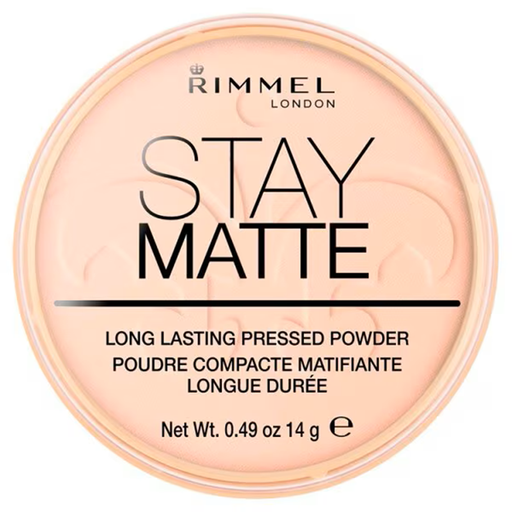
Why This Fits Their Persona: Ideal for users seeking reliable, everyday shine control without breaking the bank. A tried-and-true pressed powder that's perfect for quick touch-ups on the go.
This product is a clearly defined mattifying powder and doesn't try to be a "one-size-fits-all" solution. Its purpose is unambiguous: to control shine on the skin.
According to the manufacturer, it provides a mattifying effect for up to 9 hours and helps to minimise the appearance of pores.
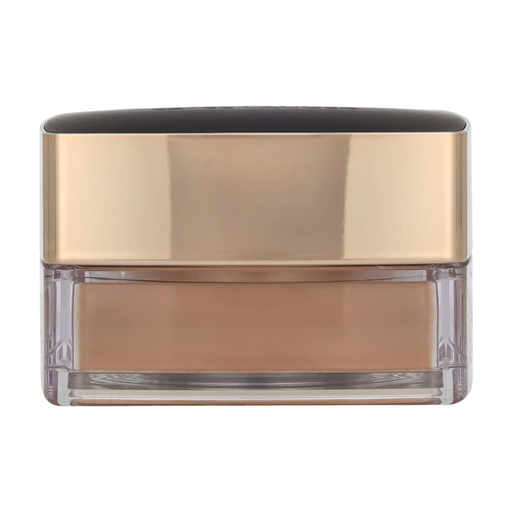
Why This Fits Their Persona: For users who invest in a high-end makeup routine and want a luxurious, finely-milled powder that sets makeup without feeling heavy or looking visible.
The sheer, oil-free formula is designed to avoid a "cakey" appearance—a common problem with less finely formulated powders.
Silky-light texture that blurs imperfections with a soft-focus effect. The oil-free composition is suitable for various skin types.
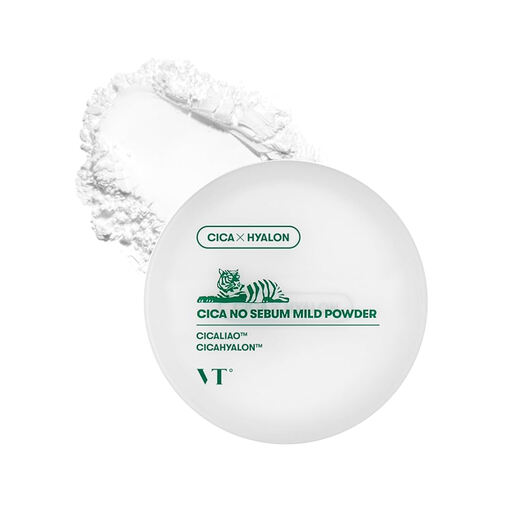
Why This Fits Their Persona: Perfect for users with sensitive or very oily skin who need effective oil control combined with skin-soothing ingredients.
This product addresses the specific needs of a niche audience instead of making generic promises. The ingredient Centella Asiatica offers a targeted benefit.
Contains Centella Asiatica (CICA) to soothe the skin while effectively absorbing excess oil and setting makeup.
We've compiled a complete, up-to-date list of products that fully meet these strict selection criteria and safety standards.
The terms are often used interchangeably in retail. Traditionally, a setting powder is used to set liquid or cream products (like foundation) and absorb oil. A fixing powder or spray is designed to meld all makeup layers together to maximise longevity. In practice, many modern products perform both functions.
A "cakey" finish occurs when too much powder is applied. To avoid this, always tap excess product off your brush or puff before application. Focus only on the areas that tend to get shiny (e.g., the T-zone). For an especially natural look, a large, fluffy brush works better than a powder puff.
Yes, absolutely. A translucent powder can be used on bare skin to reduce shine. A tinted powder or a mineral powder can even be enough to lightly even out the skin tone and provide a matte, polished look without the need for foundation.