
Lieferung heute & morgen

Qualitätsgarantie

Willkommens-Angebote freischalten: KOSTENLOSE Lieferung | Bis zu 80 % RABATT | Kostenlose 30-Tage-JoyPlus-Testphase
App herunterladen
A good setting powder is the unsung hero of any makeup routine. It's designed to set makeup, control unwanted shine, and create a flawless complexion. However, the market is saturated with products whose promises often outweigh their performance. Many users invest in powders that leave an unflattering white cast in photos or settle into fine lines. This guide will help you identify the crucial features and find a product that truly fits your needs.
Before we dive into the technical details, let's highlight the three most common pitfalls that lead to disappointing results.
Understanding these potential issues is the first step toward making an informed purchasing decision.
To find the perfect product, you should evaluate three fundamental characteristics. These determine how the powder will perform on your skin and whether it will meet your requirements.
The texture and form of the powder directly impact its application and the final result.
The desired finish is crucial and should be tailored to your skin type.
A look at the ingredient list can reveal a lot about the powder's properties.
Based on the criteria mentioned, we have curated a selection of products suitable for various user profiles.
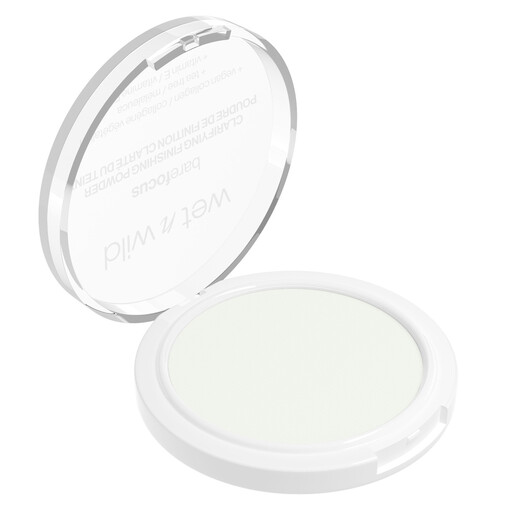
Why it's a match: Ideal for anyone seeking an effective yet budget-friendly solution. This powder provides reliable mattifying power and is enriched with skin-clarifying ingredients like tea tree extract and witch hazel, making it particularly suitable for blemish-prone skin.
The weightless, fine texture minimises the risk of a "cakey" look. The transparent formula is designed to work on many skin tones without leaving a strong white cast.
Offers reliable oil control and includes skin-soothing ingredients. The excellent value for money is a clear advantage.
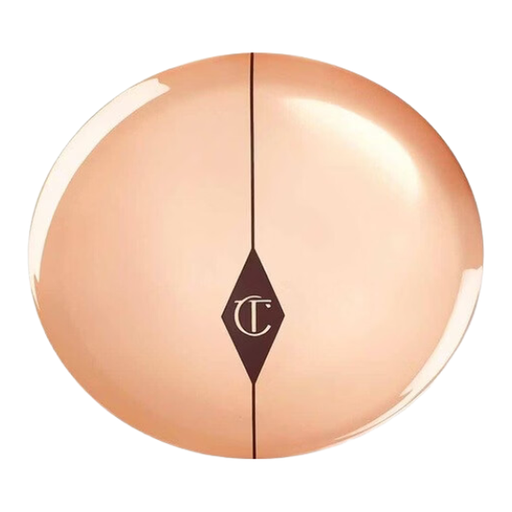
Why it's a match: For users who demand the highest quality finish and seek a "photoshopped" effect. This powder is renowned for its extremely fine, almost creamy texture that blurs the appearance of pores and fine lines.
The formula is explicitly designed to prevent "flashback." Thanks to nourishing ingredients like rose wax and almond oil, it doesn't dry out the skin, thus avoiding a "cakey" look, even on drier areas of the face.
Creates a visible soft-focus effect for a poreless-looking finish. The luxurious, refillable packaging is also a sustainable feature.
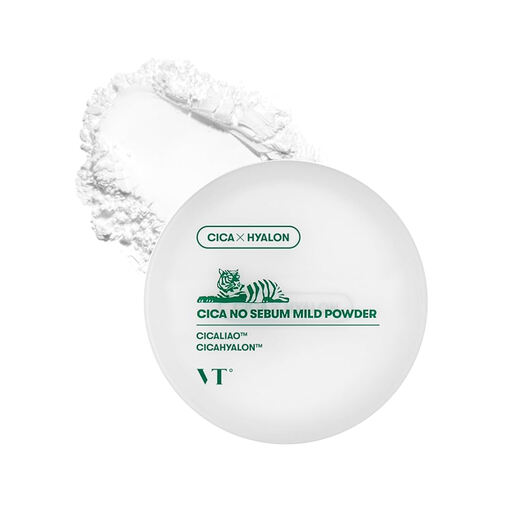
Why it's a match: This powder from the K-Beauty space was specifically developed to control excess sebum ("No Sebum"). It also contains Centella Asiatica (CICA), an active ingredient known for its soothing and restorative properties—ideal for sensitive or redness-prone skin.
The powerful yet fine sebum-absorbing formula mattifies effectively without drying out the skin, thanks to the soothing CICA components. This prevents a mask-like appearance and ensures a comfortable feel.
Combines effective mattifying with skin-soothing benefits. The formula is designed to set makeup while also supporting the skin barrier.
We have compiled a complete, up-to-date list of products that fully meet these strict selection criteria and comply with current regulations.
Although the terms are often used interchangeably, there is a functional difference. A setting powder is primarily used to set liquid or cream products (like foundation and concealer), extend their wear time, and control shine. A finishing powder is applied as the final step to perfect the overall makeup look. It often has an even finer texture and is used to blur the appearance of pores and fine lines, creating a soft-focus effect.
Less is more. Use a large, fluffy powder brush instead of a powder puff for a light application. Tap off any excess product from the brush before applying it to your face. Focus on the T-zone (forehead, nose, chin) and other areas prone to shine. Gently press the powder into the skin rather than swiping it.
Yes, absolutely. On days when you don't want to wear a full face of makeup, you can apply a setting powder directly after your skincare and sunscreen. This helps to control excess shine, lightly even out the skin's appearance, and achieve a fresh, matte look. A translucent or lightly tinted loose powder is particularly well-suited for this.