Show stitching details
If you want to show stitching and small fabric details up close, check the focusing distance and make sure the field of view is right. IPEVO and HUE specify different focus types and distances for their respective models.


When the stitching and hand movements are the focus, a document camera that can be positioned above your work surface is usually the better choice. The key things to consider are the focusing distance, the field of view and having enough room for the fabric and your hands. A traditional webcam is more suitable if you mainly want to show yourself, with a view of the table as a secondary consideration. Also check whether you need to connect the camera via USB to a compatible computer or directly to a display via a suitable HDMI output.
If you want to show stitching and small fabric details up close, check the focusing distance and make sure the field of view is right. IPEVO and HUE specify different focus types and distances for their respective models.
If you want to show the stitching and your hand movements at the same time, the camera position needs to work with your work surface. AVer describes the U50+ as a USB document camera with a flexible arm.
Before you buy, check whether a computer will receive the camera image via USB or whether the camera needs to connect directly to a display. IPEVO lists USB-A/UVC for the V4K PRO; ELMO also lists HDMI for the MX-P3.
A good fit if: The distance between the camera, fabric and your hands may change during the demonstration, and a compatible computer will receive the USB image. IPEVO specifies autofocus from 10 cm for the V4K PRO.
Things to consider: Autofocus won’t create more room to work; the listed USB-A/UVC connection is not a direct HDMI output.
A good fit if: You want to show the stitching from a short, fairly consistent distance and are happy to adjust the focus yourself. HUE specifies manual focus from 1 cm and a flexible neck for the HD Pro.
Things to consider: If the distance changes, you may need to refocus. You’ll also need space beside the fabric and your hands for the base.
A good fit if: You want to send the camera image to a compatible display without using a computer. ELMO lists HDMI, USB and RGB outputs for the MX-P3.
Things to consider: Check that the connections, power supply and cable you need will work with your setup. HDMI alone doesn’t tell you whether the camera will capture the right view of your sewing machine.
A good fit if: You mainly want to show the person explaining things, and only need a view of the table as a secondary option. Logitech lists Full HD and a Show Mode for the Brio 500.
Things to consider: A camera pointed at you won’t necessarily give you a clear overhead view of the needle, stitching and both hands. Check what mount you need and what the actual field of view will be.
| What you’re looking for | What to check | Who needs this? |
|---|---|---|
| Show stitching details clearly | Match the focus type and distance to the planned camera height, and check the field of view you want. | If you want to show individual stitches clearly, you need a suitable focusing distance and a field of view that doesn’t make the stitching look too small. Around 33% of consumers would rank stitching details as their top buying priority. |
| Keep hands and fabric in view | Make sure the base and arm’s range of movement work with the position of the fabric and your hands. | During a demonstration, you’ll want to move the fabric without the base or arm getting in the way. Around 27% of consumers would put having a clear work area first. |
| Connect the image to classroom equipment | Check the available connections and the planned USB or HDMI signal path. | If you want to show the image on the classroom screen, the signal path needs to work with your setup. Around 20% of consumers would rank connectivity as a top buying priority. |
| Switch between the stitching and your explanation | Consider which view you’ll use most and whether you can reposition the camera to get it. | If you want to show both yourself and your sewing, it’s important to be able to switch easily between the views. Around 20% of consumers would make switching views their main priority. |
A resolution figure on its own doesn’t tell you whether the stitching will look sharp and large enough at the distance you plan to use the camera from.
Check the focus range, field of view and camera height together. Manufacturers specify different focus types and distances for different models.
USB-A/UVC on the IPEVO V4K PRO and the HDMI output on the ELMO MX-P3 are different connection options.
Before buying, find out which connections are available where you’ll be presenting and whether a computer will be part of the signal path.
Even a flexible arm and a base need room, so the fabric and your hands can stay within the work area.
Plan the available table space alongside the camera position and field of view you want.
The V4K PRO is a USB document camera for an overhead view using a computer.
The HD Pro is a USB document camera with a flexible neck for an adjustable view of your table.
The MX-P3 is worth considering if your setup needs an HDMI output for a compatible display as well as USB.
According to AVer, the U50+ can be positioned as a webcam as well as a USB document camera, thanks to its flexible arm.
The Brio 500 is a Full HD webcam for presentations mainly focused on the person speaking.
The Joybuy products below are traditional webcams and are more suitable if the person explaining things is the main focus. To get an overhead view of the stitching and your hands, you’ll need to check that the camera’s position, mount and field of view work at your sewing station.
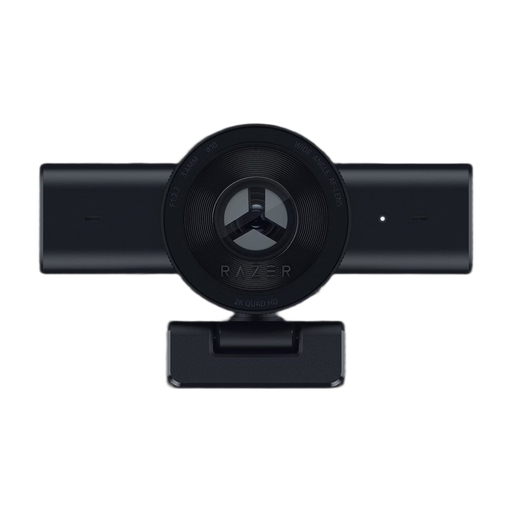 No image available
If you mainly want to show yourself, this traditional webcam could be an option. Whether it captures your sewing from above depends on your setup.
Full HD (1080p), 60 FPS, black.
 No image available
If your explanation on camera matters more than having a clear overhead view at all times, check whether the webcam can be positioned suitably where you plan to use it.
USB webcam.
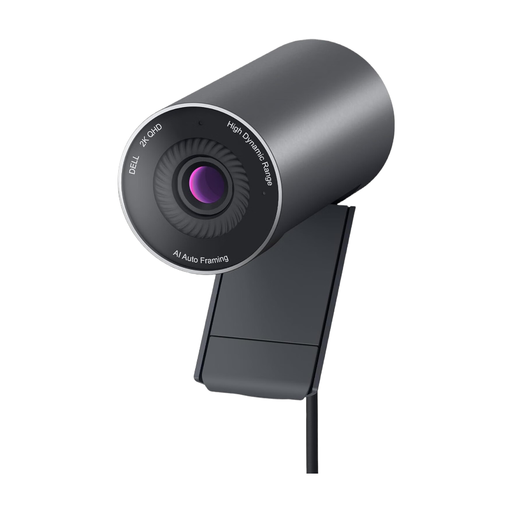 No image available
This could be an option for a presentation focused mainly on you. Check separately whether it can give you a suitable view of your sewing area.
2K, USB 2.0, audio included.
 No image available
If you mainly want to show yourself during your school project, check beforehand whether you can position this webcam to give a secondary view of your work surface.
4K, 8 MP, autofocus, two microphones, privacy cover, EU version.
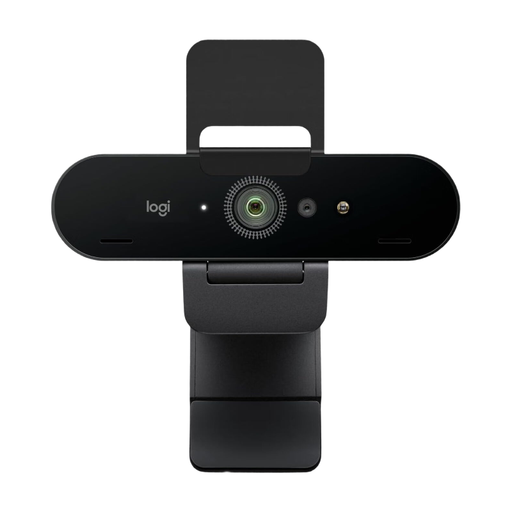 No image available
This could work for a presentation with you on screen. Test whether the camera position and field of view also suit the planned switch to showing your sewing.
4K, black.
First, frame the stitching and the hand movements you need to show, without letting the base or arm restrict your workspace. Then check the actual distance against the model’s focus range: IPEVO specifies autofocus from 10 cm for the V4K PRO, while HUE specifies manual focus from 1 cm for the HD Pro.
A USB output on its own doesn’t confirm that this connection will work. IPEVO lists USB-A/UVC for the V4K PRO. If you want to connect directly to a compatible HDMI input without a computer, check for a model with a clearly specified HDMI output, such as the ELMO MX-P3, and make sure the other connections in your setup are suitable too.
When you buy from a trader in the EU, you’re generally entitled to at least two years of legal protection if the goods are faulty. For an eligible online distance purchase, you generally have a 14-day right to cancel from the date of delivery; exceptions and possible return costs apply. Your Europe, the European Union’s information portal, explains these rights. An additional manufacturer’s warranty does not replace them.
If you plan to record identifiable people, check with the school first, as the rules depend on the specific school and regional context. Guidance from the Rhineland-Palatinate Commissioner for Data Protection and Freedom of Information on school video conferencing systems cannot be applied universally to every federal state or private project recording. For the demonstration, you can start by pointing the camera at the fabric and your hands.