
Lieferung heute & morgen

Qualitätsgarantie

Willkommens-Angebote freischalten: KOSTENLOSE Lieferung | Bis zu 80 % RABATT | Kostenlose 30-Tage-JoyPlus-Testphase
App herunterladen
The desire to repair, alter, or bring your own creative clothing ideas to life is the first step into the world of sewing. But getting started can seem overwhelming: do you need a complex sewing machine right away, or is a simple sewing kit enough? This article serves as your guide. It introduces various options for beginners and helps you find the right equipment for your projects without getting lost in technical jargon.
Before making a decision, you should assess your needs. Are you primarily focused on quick repairs, or do you want to learn to sew and create your own projects? The answers to these questions will determine which tools are right for you.
The most fundamental decision for beginners is between manual and machine sewing.
If you opt for a machine, a few basic features are essential for starting out. Look for simple operation, a clear threading path, and a selection of basic stitches. Models that can be powered by both mains electricity and batteries offer additional flexibility. A speed control can also be helpful for maintaining control in the beginning.
Regardless of whether you choose a kit or a machine, certain sewing accessories are indispensable. These include various needle sizes for different fabrics, a selection of thread colours, good fabric scissors, a measuring tape, and pins. Many beginner kits and machine packages already include a basic set of these items.
Here is a selection of products that are particularly well-suited for beginners and specific applications due to their features.
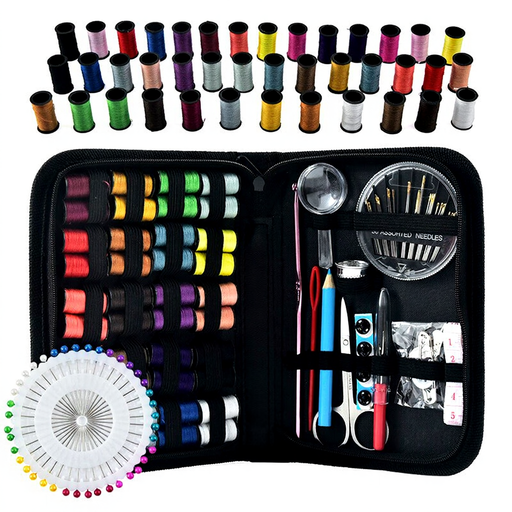
Why It Stands Out This kit is a complete solution for anyone who wants to manage without a machine. With 128 pieces, including 24 different thread colours, it offers a wide range of tools for manual sewing tasks in a compact and organised case.
Advantages
Who It's For This sewing kit is ideal for individuals looking for a practical solution for everyday repairs, such as sewing on buttons or mending seams. It is also a great choice for absolute beginners who want to get a feel for needle and thread before investing in a machine.
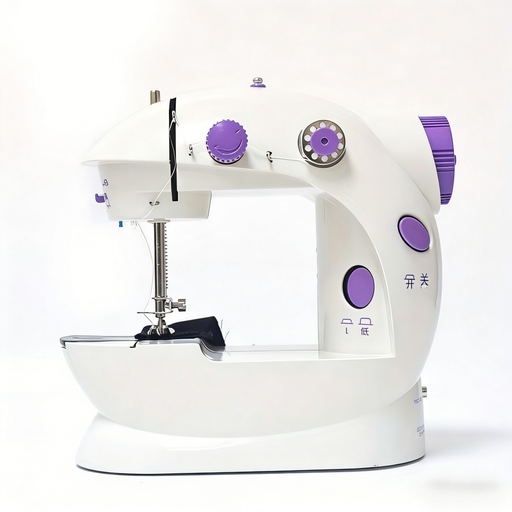
Why It Stands Out This mini sewing machine focuses on the essentials: simple operation and maximum portability. It can be controlled with the push of a button or the included foot pedal and can be powered by either the AC adapter or four AA batteries.
Advantages
Who It's For This machine is aimed at sewing novices who want to gain their first experience with machine sewing. Its straightforward functionality and compact size make it a great choice for simple projects, quick alterations, and households with limited storage space.

Why It Stands Out This model is an upgrade from the basic mini sewing machine, offering significantly more creative freedom. With 12 built-in stitch patterns, a reverse sewing function, and an automatic thread cutter, it is equipped for a wider variety of projects.
Advantages
Who It's For This beginner's sewing machine is the right choice for anyone who wants to do more than just straight seams from the start. It is suitable for ambitious beginners who plan to sew clothes, create home textiles, or work with different types of fabric.
The products featured here provide a great starting point. However, if you are looking for specialised accessories, other machine models, or a larger selection of threads, you can find more equipment in our category.
Explore our full range of needles and sewing accessories here
1. What basic equipment do you need to start sewing as a beginner? A well-stocked needle and thread set is sufficient for manual repairs to start. If you want to sew with a machine, you will need a beginner's sewing machine, suitable thread, fabric scissors, and pins. Many machines already come with a small starter kit.
2. Is a mini sewing machine sufficient for a beginner? Yes, a mini sewing machine is often a great choice for getting started. It is excellent for learning the basics of machine sewing, practising straight seams, and completing simple projects like cushion covers or tote bags. For complex garments or very thick fabrics, upgrading to a larger model may be beneficial later on.
3. What is the best way to start learning to sew? Start with a simple project that mainly requires straight seams. A basic cushion cover, a placemat, or a shopping bag are good first projects. Use an uncomplicated cotton fabric that is easy to work with. Numerous tutorials and videos online can guide you step by step.