For market-stall bunting with thick folded edges, choose a domestic sewing machine based on how well it feeds fabric, the clearance under the presser foot and how easily you can control the speed – not the number of decorative stitches. CHIP identifies fabric feed and presser-foot clearance as important features for thick fabrics. For occasional projects using lighter woven fabric, a straightforward model may be enough. For repeated bulky joins or long lengths, adjustable presser-foot pressure, slow, controlled sewing and a test with your own materials will help you make a more informed choice. None of the manufacturers’ claims cited here establishes a general maximum number of layers a machine can sew.
Which machine is right for you?
Sewing thick folded edges
If you regularly sew through the point where the bunting fabric meets the folded tape, a consistent fabric feed is important. Stoffe Hemmers shows how to attach bias binding; CHIP also highlights the clearance under the presser foot as a key feature for thick fabrics.
Sewing long lengths of bunting
When sewing a long length, you need to guide the fabric and start again at each flag. The bernette 05 ACADEMY is documented as having an extension table and speed limiter. Check that the model suits your project as part of your own sewing set-up.
Sewing bunting occasionally
If you mainly want to tackle basic sewing projects, a straightforward mechanical machine may be enough. TÜV SÜD describes mechanical machines as suitable for simple, occasional tasks, but you should still test your thickest folded edge separately.
What should you look for when buying?
When test-sewing, focus on the exact bias-binding layers you plan to use, as well as fabric feed and clearance under the presser foot. Stoffe Hemmers’ bunting guide shows how to attach bias binding; CHIP identifies fabric feed and presser-foot clearance as important features for thick fabrics.
| What you need |
What to check before buying |
Who is this important to? |
| Sewing through the thickest folded join |
Test-sew with your bunting fabric, folded tape, thread and a suitable needle. Check for an even feed and skipped stitches. |
When I sew through the thickest point, I want the fabric to keep moving evenly. Around 36% of consumers rank this folded join as their top purchase consideration. |
| Guiding long lengths evenly |
Sew a longer test piece with several flags. Check whether you can support the length and control the speed at each join. |
When making a long bunting garland, I want to support the length and start again at each flag in a controlled way. Around 29% of consumers prioritise even fabric handling. |
| Getting started easily |
Try selecting stitches, threading the machine and starting slowly. Check that it can still feed your chosen fabric layers. |
If I only sew bunting occasionally, I want the basic functions to be easy to use. Around 21% of consumers put ease of use for occasional projects first. |
| Suitable accessories |
Check the needle system, presser-foot compatibility and what is included with the complete model. |
If I need a particular needle or specialist foot, I want to know whether it fits the model and is included. Around 14% of consumers prioritise compatible accessories and the right package contents. |
Common misconceptions
-
“Heavy Duty” or a high wattage guarantees that you can sew any number of layers
For thick fabrics, CHIP highlights fabric feed and presser-foot clearance as well as motor power. Singer describes the Heavy Duty 4423 as suitable for denim and canvas, not for every individual folded edge.
Test-sew the thickest join you’ll actually be working with, using your own tape and bunting fabric.
-
An overlocker can replace a sewing machine for every bunting seam
Stoffe Hemmers’ bunting guide uses a sewing machine to attach the bias binding. TÜV SÜD describes an overlocker mainly as a machine for trimming and neatening fabric edges at the same time.
First decide on the seam type and fabric layers, then check which type of machine you need.
-
A specialist foot or suitable needle is automatically included
What’s included and which accessories are available can vary by model. SCHMETZ describes the Jeans needle 130/705 H-J as suitable for firm fabrics such as canvas. This doesn’t mean it comes with every machine or fits every model.
Before buying, check the needle system, presser-foot compatibility and the full list of what’s included with the model.
Relevant brands and model ranges
Janome
The mechanical 1522RD and 1522BL models are worth considering if you want to check presser-foot pressure and position when sewing thicker layers.
- Janome lists three-step presser-foot pressure adjustment and an extra-high presser-foot position for these variants.
- These features don’t prove that every folded bunting edge will sew successfully. Also check which presser feet are included or available as optional extras.
bernette
The 05 ACADEMY may suit you if you want to sew repeated joins with control and support longer lengths of fabric.
- The manufacturer lists adjustable presser-foot pressure, a speed limiter and an extension table supplied with the machine.
- These features don’t confirm that every thick edge will sew neatly. Test your exact fabric layers first.
Singer
The Heavy Duty 4423 is worth considering if you also work with firm woven fabrics such as canvas, as well as making bunting.
- Singer describes the model as suitable for denim and canvas and lists adjustable presser-foot pressure.
- The “Heavy Duty” label and the advertised 97 stitch applications don’t guarantee a particular number of layers or mean that the machine has 97 separate built-in stitches.
W6 Wertarbeit
The computerised N 3300 Pro may suit you if you want to adjust the speed and needle position easily.
- W6 documents a speed control, slow sewing and adjustable presser-foot pressure.
- These details don’t confirm that the machine can sew every thick folded edge. Test the seam with your own materials.
Joybuy products
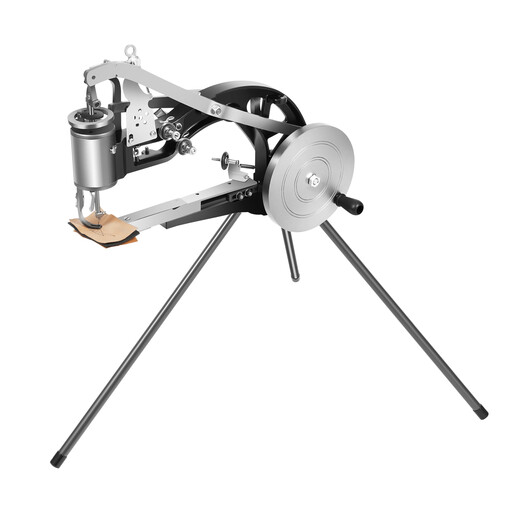
The Joybuy products listed are hand-operated sewing machines whose product descriptions say they are designed for repairs to leather, shoes, tents or canvas. These descriptions don’t show whether a hand-cranked machine and your particular fabric layers are suitable for sewing a long bunting seam, so check the process carefully before buying.
 No image available
Hand-cranked sewing machine for shoe, tent and canvas repairs
The product description mentions repairs to shoes, tents and canvas. Check whether hand-cranking and sewing a long seam along your bunting tape suit the way you work.
Listed features include a maximum stitch length of 6 mm, material thicknesses of 3–5 mm and 360° adjustment.
View at Joybuy
 No image available
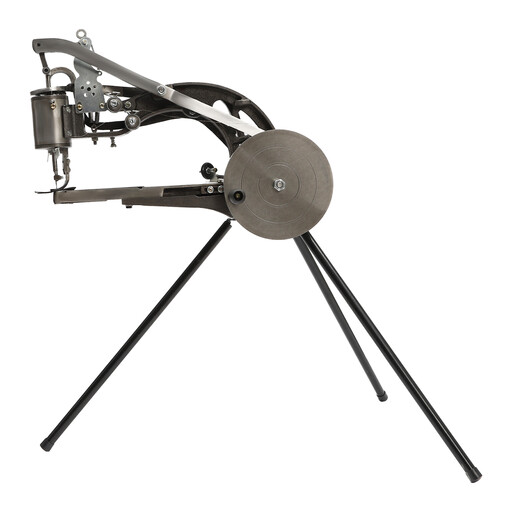
Hand-cranked leather sewing machine with a 360° rotating head
The description mentions repairs to leather, canvas and tents. Test it with your planned materials to see whether you can guide a long bunting seam evenly.
Listed specifications include a stitch length of up to 6 mm, material thicknesses of up to 5 mm and a 360° rotating head.
View at Joybuy
 No image available
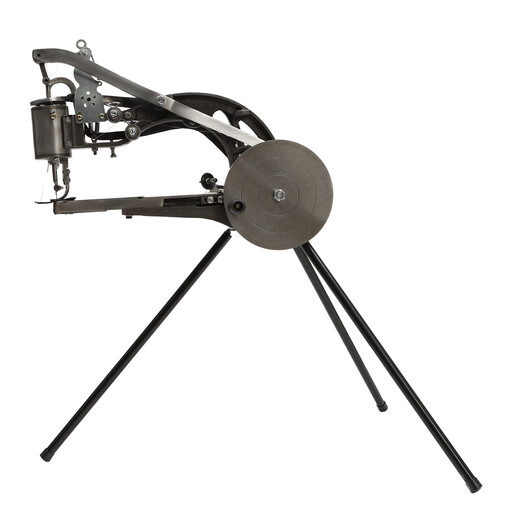
Hand-operated heavy-duty leather sewing machine
The product description mentions repairs to leather, canvas, rubber and plastic. Before making a bunting garland, check whether hand-cranking and your particular fabric layers are suitable for sewing the long joining seam.
Listed features include a stitch length of up to 6 mm, material thicknesses of 3–5 mm and 360° adjustment.
View at Joybuy
Frequently asked questions
Do I need an overlocker to make a bunting garland?
Not just because the flags are joined with bias binding: Stoffe Hemmers’ bunting guide uses a sewing machine for this. An overlocker is mainly used to trim and neaten fabric edges at the same time. Test your chosen joining seam with the thicker layers on a sample first.
Which needle should I use with firm bunting fabric?
SCHMETZ lists the Jeans needle 130/705 H-J for firm fabrics such as canvas and sailcloth. Choose the type and size to suit your fabric, thread and the instructions for your particular machine. The manufacturer’s guidance isn’t a universal recommendation for every type of bunting fabric.
What should I check for electrical sewing machine safety?
Check that the required CE marking is present and that the product and manufacturer can be clearly identified. The Federal Network Agency lists these points for market surveillance; a CE marking doesn’t tell you whether the machine can sew your thick seam.
What are my rights in Germany if the sewing machine I buy is faulty?
If goods are faulty, the seller is generally responsible for handling your statutory rights. The Verbraucherzentrale says retailers are responsible for goods for two years; this is separate from any additional manufacturer’s guarantee.
Can I return a sewing machine ordered online?
For a private online purchase, you generally have a 14-day right to cancel after receiving the goods. You must notify the other party to the contract that you wish to cancel. If you’re buying for business purposes, don’t assume this consumer right applies without checking the specific contract.


