What should you look for when buying?
Basic mechanical domestic sewing machine
A good fit if: you mainly want to sew the tool roll, along with the occasional simple project.
Bear in mind: you’ll adjust stitch length, stitch width and thread tension manually. The machine type doesn’t guarantee that it will handle every thick section.
Electronic or computerised domestic sewing machine
A good fit if: you sew regularly after the school project and would like to use extra programmes or automatic functions.
Bear in mind: having more programmes doesn’t, by itself, tell you how well the machine will feed the thickest seam.
Overlocker as an additional machine
A good fit if: you often neaten fabric edges and already have a machine for the pocket divisions and topstitching.
Bear in mind: the tool roll described also has topstitched pockets and a seam running all the way round; an overlocker alone won’t necessarily cover these steps.
The Initiative Handarbeit guide uses firm cotton fabric such as canvas, with topstitched pocket divisions. For school technology lessons, the school’s safety requirements also apply.
| What matters |
What to check when buying |
Who it matters most to |
| Easy-to-understand controls |
Check the utility stitches, reverse sewing, threading path and manual for the specific model. |
If I’m making a tool roll for the first time, I want to understand the basic settings for straight seams and pockets. Around 29% of consumers say ease of use is their top consideration. |
| Folded layers of fabric |
Test-sew the thickest planned section using suitable thread and a needle that’s right for the fabric and machine; check how it feeds and how the stitches look at the join. |
If my pockets are made from firm canvas, I want to know how the machine copes with the folded edges. Around 36% of consumers focus on the thickest parts of the fabric when choosing. |
| Sewing in lessons |
Check the machine, instruction and supervision arrangements with the school, and follow the manual for the specific model. |
If the tool roll is being made in a technology lesson, I want to agree with the school on how the machine will be used. Around 21% of consumers focus above all on how it will be used in lessons. |
| Cost and future use |
Take account of any machines and accessories you already have; check what’s included and review any voluntary warranty terms separately from your statutory rights. |
If I only need the machine for this school project to begin with, I want to know whether buying one makes sense for other sewing projects too. Around 14% of consumers put the cost and future use first. |
Joybuy products at a glance
This selection includes hand-operated repair machines and small electric sewing machines. For each model, check whether it can sew the pocket divisions and all-round topstitching your tool roll requires.
 No image available
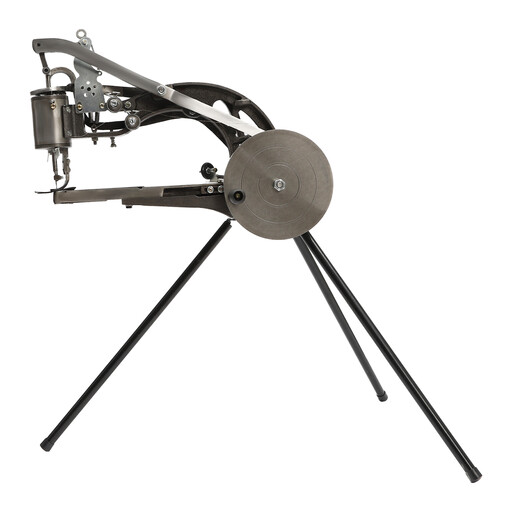
Hand-cranked sewing machine, 6 mm stitch length
The product name mentions shoe, canvas and tent repairs. Check that this hand-cranked model is suitable for the seams in your tool roll.
Features listed include a stitch length of up to 6 mm, a head that rotates 360° and a material thickness range of 3–5 mm.
View at Joybuy
 No image available
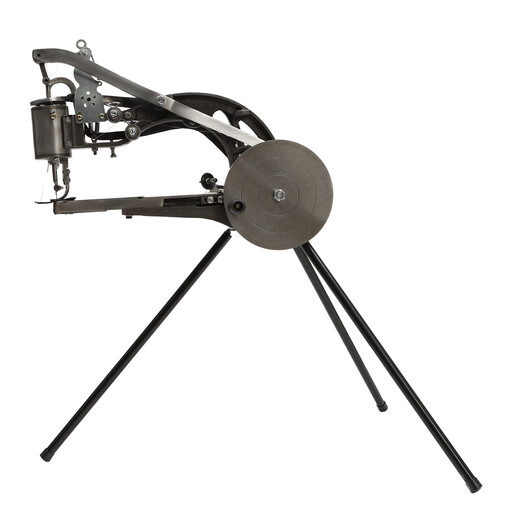
Hand-cranked sewing machine for thick canvas, black
The product name describes this hand-cranked model as suitable for repairs to thick canvas. Check that its operation suits the pocket seams and topstitching you have planned.
The product name specifies a black version.
View at Joybuy
 No image available
Electric sewing machine for beginners, 12 stitch programmes
For a tool roll, check in particular whether the model can feed your folded fabric sections and sew the seams you need.
Features listed include 12 stitch programmes, two speeds, and forward and reverse sewing; it can be operated with a foot pedal or hand switch.
The stated material thickness limit of 2.5 mm could be restrictive if your thickest folded seam is above that.
View at Joybuy
 No image available
Mini sewing machine, 12 stitch patterns, pink
The product description mentions simple sewing and alteration jobs. Before choosing it for a tool roll, check whether it can handle your folded pocket seams too.
Features listed include 12 stitch patterns, two speed settings, and foot pedal or manual operation.
View at Joybuy
 No image available
IAGREEA YASM-505A mini sewing machine, purple
The model is listed as having basic stitches and hemming functions. Before buying, check that it’s suitable for the fabric layers and sewing steps involved in your tool roll.
Features listed include 12 built-in stitches, plus forward and reverse sewing.
According to the product information, battery operation requires four AA batteries, which are not included.
View at Joybuy
Frequently asked questions
What seams does the tool roll in the guide require?
The Initiative Handarbeit guide includes topstitched pocket divisions, a joining seam with an opening for turning, and a final line of topstitching close to the edge. Look for utility stitches you can operate easily, and test your fabric layers at the thickest point.
Which needle is suitable for canvas?
SCHMETZ lists canvas as a suitable fabric for the Jeans needle 130/705 H-J. Also check which needle system the sewing machine manufacturer specifies, and test the needle and fabric layers together. A fabric recommendation doesn’t guarantee that every machine can sew through every seam junction.
What should you bear in mind when sewing in school technology lessons?
For school technology lessons, DGUV guidance covers instruction and supervision, as well as using machinery as part of a task set by the teacher. Check the arrangements with the school. If you’re sewing the project at home only, these lesson-specific circumstances won’t necessarily apply.
Is a CE mark enough to show that a machine is suitable for lessons?
No. A CE mark alone doesn’t show that a machine is suitable for lessons or for your particular fabric layers. The European Union explains that the marking applies only to the product categories it covers and relates to the relevant requirements. For use in lessons, also check the school’s safety requirements.
Can an overlocker replace a domestic sewing machine for a tool roll?
Not necessarily. The guide includes pocket divisions and a seam running all the way round, as well as neatening the edges. If you can’t sew these parts with an overlocker, you’ll need another suitable sewing machine for them.


