What should you look for when buying?
Start by checking the thickest seam you plan to sew and choosing a suitable needle. Then consider how well the machine feeds multiple layers, followed by ease of use and features for other projects.
| Consideration |
What to check before buying |
Who this matters most to |
| Thick seams |
Test the thickest folded combination of fabrics; check the needle and clearance under the presser foot. |
When I sew a folded hem with several layers, I want the machine to feed it smoothly. Around 36% of consumers put thick seams first. |
| Consistent feeding of multiple layers |
Check for adjustable presser-foot pressure and a walking foot that fits the exact model. |
If fabric layers shift against each other while I’m sewing, a consistent feed is especially important to me. Around 29% of consumers prioritise feeding multiple layers. |
| Easy to get started |
Compare the controls, instructions, basic stitches and how easily you can control the sewing speed. |
For occasional bag-making projects, I want to understand the basic functions quickly without having to choose programmes I’ll hardly use. Around 21% of consumers prioritise ease of use. |
| Other projects |
Consider the projects you have planned, as well as the accessories included and available for the machine. |
If I’m planning fabric projects beyond bread bags, suitable settings and accessories matter to me. Around 14% of consumers prioritise versatility. |
Joybuy products for sewing projects
The following Joybuy products range from a hand-operated leather sewing machine to compact electric models. Compare their listed features with your fabric layers; they don’t prove that every version is suitable for every multi-layer bread bag seam.
 No image available
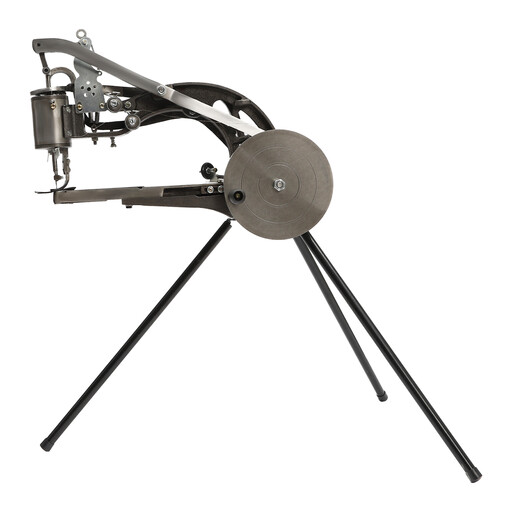
Hand-operated leather sewing machine, 6 mm stitch length
The product description lists canvas and bags as suitable uses. Check first that the hand-crank operation and design are right for your project.
The title specifies a 6 mm stitch length, a material thickness of 3–5 mm and 360° rotation. The description doesn’t say that these specifications apply to every combination of fabric layers.
View at Joybuy
 No image available
Beginner electric sewing machine, 12 stitch programmes
The title lists 12 stitch programmes, two speeds, and forward and reverse sewing. The product description specifies a material thickness of up to 2.5 mm or up to six layers of thin denim. This isn’t a guarantee for other fabrics or combinations of layers.
View at Joybuy
 No image available
Portable mini sewing machine, 12 stitches, pink
The description recommends this portable model for simple repairs, alterations and everyday sewing. Check whether its compact design suits your fabric layers.
The title lists 12 stitches, two power options, an LED light and accessories.
View at Joybuy
 No image available
IAGREEA portable electric sewing machine, 6 V, 1 A
The product description lists basic household sewing and marked threading guides. Before buying, check that the fixed stitch type suits your project.
The description lists a fixed straight stitch and two speed settings. The title lists a thread bobbin, an empty bobbin, a spare needle and a needle threader. According to the title, it can be powered from the mains or by four AA batteries.
View at Joybuy
 No image available
IAGREEA YASM-505A mini sewing machine, purple
Its beginner-friendly design and suitability for home sewing may make it a good choice for simple sewing jobs. Test a sample to see whether it can handle the layers you have planned.
The title lists 12 stitch patterns and reverse sewing. The description specifies a portable design and foot-pedal operation.
View at Joybuy
Frequently asked questions
Do I definitely need an overlocker to make a bread bag?
No, it doesn’t have to be your starting point for the whole project. TÜV SÜD describes an overlocker as particularly suitable for cutting, sewing and neatening fabric edges at the same time. The seams and fabric layers you plan to sew are what matter when choosing your main machine.
What can I do if the fabric layers shift against each other while sewing?
Start by securing the layers and checking how they feed on a sample piece. According to Janome, a walking foot that fits the specific model helps feed fabric from above. Whether it’s included or needs to be bought separately depends on the version.
Which needle is suitable for firm, heavy bag fabrics?
SCHMETZ recommends its jeans needle for firm fabrics such as canvas or twill. Choose the size to suit the fabric, thread and your machine’s instructions; the word ‘jeans’ doesn’t tell you which size is right for every bread bag.
Is a fabric bag automatically the best way to store bread?
No, a fabric bag doesn’t guarantee longer-lasting freshness or protection from mould. For keeping bread fresh for longer, the consumer advice centre recommends a bread crock or bread bin, and storing it in a dry place at room temperature. Any mouldy bread should be thrown away in its entirety.
Is CE marking an independent quality mark?
No, CE marking isn’t a general independent quality mark. According to information from the European Union, manufacturers use it to declare that their products comply with the relevant EU requirements. No central EU body issues a general CE certificate.
What happens if a product is faulty after purchase in Germany?
Where the statutory conditions are met, the BGB provides for remedies including repair or replacement. For movable goods, claims for defects generally expire two years after delivery. Any additional manufacturer’s guarantee is separate from these statutory rights.


