For occasional sewing
If you mainly sew simple projects such as pencil cases, straightforward basic features may be enough. TÜV SÜD describes mechanical sewing machines as suitable for simple sewing tasks and occasional use.


For occasional pencil cases made from suitable woven fabrics, an easy-to-use domestic sewing machine with straight and zigzag stitches and a suitable zip foot is a sensible starting point; lots of decorative stitches won’t replace these features. If you sew frequently or work with different fabric layers, also look for helpful features and adjustable presser-foot pressure. Before you buy, check that the machine and your materials will fit your workspace, and consider how you’ll guide the fabric through thicker sections.
If you mainly sew simple projects such as pencil cases, straightforward basic features may be enough. TÜV SÜD describes mechanical sewing machines as suitable for simple sewing tasks and occasional use.
For lined or reinforced pencil cases, it’s worth checking the presser-foot lift and, where available, adjustable presser-foot pressure. Janome lists these features for the Sewist 25S, although how well they handle a particular fabric still depends on the material and model.
Helpful features can make repeated use more convenient, but they don’t tell you how much room you’ll need to guide the fabric. Measure your table and storage space, then compare them with the dimensions of the specific model on offer.
First decide how you’ll sew in the zip and work with your planned fabric layers. Then check that the machine and its controls will suit your workspace. TÜV SÜD describes mechanical sewing machines as an option for simple sewing tasks and occasional use.
| Consideration | What to check before buying | Who it matters most to |
|---|---|---|
| Sewing in a zip | Check whether a standard zip foot that fits the model is included or available as compatible accessory. A foot for concealed zips serves a different purpose. | If you want to sew the zip close to the edge, the right foot fitting is essential. Around 33% of consumers put zip sewing at the top of their list. |
| Fabric layers | Look for a good presser-foot lift and, where available, adjustable presser-foot pressure. Sewing a test seam with your fabrics and reinforcements will show how well you can guide the planned layers where seams cross. | For lined or reinforced pencil cases, the transitions where several layers meet are important. Around 27% of consumers prioritise how well the machine handles their fabric layers. |
| Space requirements | Compare the machine’s actual dimensions with your table and storage space. Allow room for the foot pedal, cable and fabric pieces as you sew. | If your craft room has limited work and storage space, you’ll need room to sew as well as space for the machine. Around 27% of consumers prioritise the space they’ll need. |
| Ease of use | Depending on how you’ll use the machine, compare features such as a needle threader, adjustment options and, if you’d find it useful, speed control. | If you sew regularly, you may value features that make repeated tasks easier more highly than extra decorative stitches. Around 13% of consumers prioritise ease-of-use features. |
For this project, the key things are suitable basic stitches and a zip seam you can control. A long list of decorative stitches won’t tell you whether you can sew close to the edge of the zip or how well the machine will handle your fabric layers.
Start by checking the basic stitches, a compatible zip foot and the fabrics you plan to use.
Even a machine described as compact may leave too little room on a small table to guide the fabric pieces.
Measure your table and storage space, then compare them with the dimensions of the specific model before you buy.
An accessory set that fits a range of machines may not be supplied with every machine on offer. And a foot for concealed zips isn’t necessarily the right standard zip foot for your project.
Compare the listed contents with the foot you need for your zip.
If the foot you need isn’t included, you’ll need an accessory that fits your model.
The mechanical N 1235/61 is an option for straightforward basic sewing tasks.
The mechanical Sewist 25S is an option to compare if you need to consider different fabric types and how they’re guided through the machine.
The manufacturer describes the b33, b35 and b05 ranges as compact mechanical machines for everyday sewing projects.
The JX17FE is a documented option to compare for basic stitches and sewing in zips.
The Joybuy products below include hand-operated machines for thicker materials and compact electric sewing machines. Before buying one for a pencil case, check carefully whether the model can handle your fabric layers and zip.
 No image available
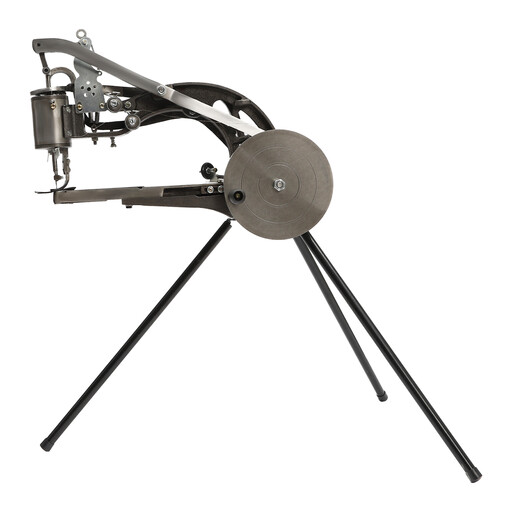
The product name describes this hand-cranked model as suitable for thick materials. Check carefully that it suits your sewing process and the fabrics you plan to use for your pencil case.
The product name specifies material thickness of 3–5 mm, a 6 mm stitch length and 360° rotation.
 No image available
The product name lists several stitch programmes and forward and reverse sewing. Check whether a suitable zip foot is included.
Features listed include double-thread sewing, two speeds, a foot pedal and hand switch, as well as LED lighting. The product name gives a maximum material thickness of 2.5 mm.
 No image available
This portable model may suit smaller sewing jobs. Before using it for a pencil case, check how well you can guide the fabric layers you plan to sew.
The product name lists 12 stitches, dual power supply and accessories.
 No image available
The product name describes this model as a portable domestic and craft sewing machine. Check that its features and included accessories are suitable for sewing your zip.
Features listed include 12 built-in stitches and reverse sewing.
 No image available
The product description lists basic household sewing tasks. For a pencil case, check carefully whether a single straight stitch will be enough for the seams you plan to sew.
Limitations listed include a fixed straight stitch and no reverse function. The description also lists two speed settings and operation by button or foot pedal.
A standard zip foot that fits your model makes it easier to sew close to the zip. Check the exact foot fitting and what’s included; a foot for concealed zips serves a different purpose.
Follow the manual for your specific model and use the bobbin it specifies. Singer warns that bobbins from different classes can look similar, but using the wrong one may cause damage to its machines. This isn’t a general bobbin recommendation for other brands.
No. For a consumer purchase in Germany, your statutory rights regarding faults are against the seller; a manufacturer’s guarantee is an additional voluntary promise subject to its own terms. The Verbraucherzentrale explicitly distinguishes between statutory rights and guarantees.
In Germany, consumers generally have a right to cancel an online contract, usually within 14 days of receiving the goods. The Verbraucherzentrale explains this time limit; check the terms of your specific purchase. A shop purchase doesn’t automatically come with the same right to cancel.
EUR-Lex explains the European safety rules for electrical equipment with a rated voltage between 50 and 1,000 V; a CE mark on its own says nothing about the quality of the sewing. The German Environment Agency advises that end-of-life electrical equipment in Germany must be collected separately and must not be put in household waste.