Joybuy products
This selection includes a hand-cranked machine for repairing shoes, tents and canvas, as well as an electric domestic sewing machine. If you’re making tool rolls with thick folds, testing a fabric sample is essential; the product details don’t confirm that either machine is suitable for every combination of layers.
 No image available
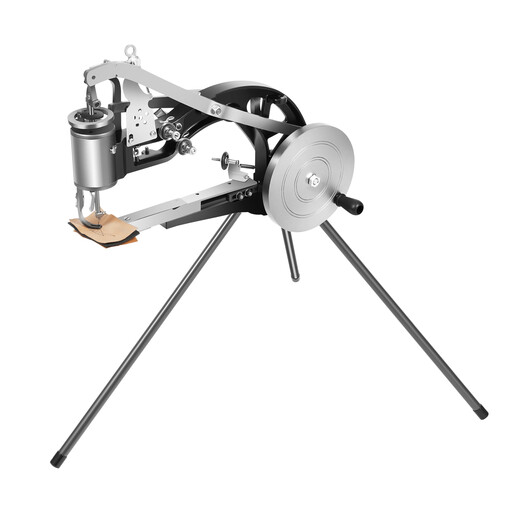
Hand-cranked shoemaking machine, max. stitch length 6 mm
Its stated uses include repairing shoes, tents and canvas. For long tool-roll seams, consider whether hand-crank operation will suit you and test it with a fabric sample.
Hand-cranked; maximum stitch length: 6 mm; stated material thickness: 3–5 mm; 360° adjustment. The material specification doesn’t confirm a particular number of layers.
Joybuy
 No image available
IAGREEA electric sewing machine, 12 stitch programmes
This domestic machine offers several stitch programmes for different sewing projects. Its stated material limit is particularly important when choosing a machine for tool rolls.
12 stitch programmes; two speeds; operated by foot pedal or hand switch. The description states that it can sew up to six layers of lightweight denim and material up to 2,5 mm thick; this doesn’t guarantee it can handle thicker layers.
Joybuy
Frequently asked questions
Is a high presser-foot lift enough for the thickest seam on my tool roll?
No. It tells you how much space there is beneath the raised foot. Test a sample of your actual fabric layers to check how the machine feeds them and how the stitches look at the thickest intersection. Janome states that the HD9 Professional has a presser-foot lift of 12,7 mm; this doesn’t guarantee that it can sew a particular number of layers.
What can help if fabric layers don’t feed evenly at a seam intersection?
First, check the needle and machine settings. A walking foot that’s compatible with your machine can help with fabrics that have different surface textures. A height compensation tool can help keep the presser foot more level as it sews over a cross seam. Check the instructions for your specific model.
How should I care for a sewing machine when sewing dense fabrics?
Remove lint and clean the specified areas as directed in the instruction manual. Only oil the machine if your model’s manual says to. Bernina recommends basic cleaning after 6–8 hours of sewing in its general guidance; this is a manufacturer recommendation, not a universal rule for every brand.
Who is responsible if goods are faulty after a purchase in Germany?
The seller is generally responsible for your statutory rights. The Verbraucherzentrale explains these rights in relation to goods being free from defects when handed over. A voluntary manufacturer’s guarantee has its own terms and doesn’t replace your statutory rights.
Which safety marking is relevant for an electric sewing machine?
For electrical equipment within the scope of the EU Low Voltage Directive, EUR-Lex lists CE marking and conformity requirements. The stated voltage range is 50–1.000 V AC or 75–1.500 V DC. Check the rated voltage, markings and safety information for the specific device; these don’t indicate how well it sews.


