Sewists working with thick folded edges
If you’re sewing multiple layers and folded edges, the key thing is whether the needle and machine can handle the thickest part of the seam.


Choose a machine based on whether it can handle your thickest folded seam and feed the layers evenly – a high stitch count alone tells you very little. Brother describes the Innov-is F400 as having a rectangular feed system. Janome recommends a walking foot for multiple layers of different materials, although compatibility depends on the exact model. For occasional cutlery rolls, a basic domestic machine may be enough if it sews a test piece made from the same fabrics and folds neatly.
If you’re sewing multiple layers and folded edges, the key thing is whether the needle and machine can handle the thickest part of the seam.
When working with outer fabric, lining and interfacing, you’ll want the layers to stay as neatly aligned as possible while topstitching.
For an occasional cutlery roll, straightforward settings may matter more than extra programmes – provided your fabric test goes well.
First, decide which part of your cutlery roll the machine needs to sew reliably: the thickest fold, several layers that may shift against each other, ease of use or the availability of suitable accessories.
| What matters when buying | What to look for | Who this matters most to |
|---|---|---|
| Thick seams | Test the thickest fold using the same fabrics and interfacing; check the presser foot height, stitch quality and a needle suitable for the machine. | If I mainly need to sew the folded edges of my roll, I want to assess that exact transition before buying. Around 36% of consumers pay particular attention to whether a machine can handle thick seams. |
| Even feeding of multiple layers | Try your fabric combination and check that a walking foot is compatible with the complete machine model. | When I combine outer fabric, lining and interfacing, I don’t want the layers to shift against each other while topstitching. Around 29% of consumers prioritise even feeding of multiple layers. |
| Ease of use for small projects | Compare the settings on the specific model and try sewing slowly around corners on a fabric sample. | For occasional sewing, I want to be able to follow the necessary settings without having to deal with lots of unnecessary features. Around 21% of consumers place particular importance on ease of use. |
| Accessories and aftercare | Check what’s included, whether the presser feet you need are compatible, and the terms of the statutory rights and any voluntary guarantee. | If I need an additional presser foot, I want to know in advance whether it fits the model and who to contact if there’s a fault. Around 14% of consumers focus mainly on accessories and after-sales support. |
The number of programmes doesn’t tell you how a particular machine will sew through your thickest fabric fold.
Make a test piece using the same fabrics, interfacing and folds, and try the seam before letting the stitch count guide your decision.
Accessory compatibility and performance depend on the model; a walking foot alone doesn’t prove that a machine has greater needle penetration power.
Check the full model name, the manufacturer’s compatibility list and what’s included. You may need to buy a suitable foot separately.
The W6 N 1235/61 and the N 1235 Pro are different models. Information about the Pro’s adjustable presser foot pressure doesn’t apply to the N 1235/61.
Compare the full model name and always make sure product details relate to the exact model in question.
The Innov-is F400 is a domestic electronic sewing machine with a rectangular feed system, as described by the manufacturer.
The N 1235/61 offers mechanical controls, with adjustable stitch length and width.
Worth considering if you’re looking at a walking foot that’s compatible with your specific machine model for sewing multiple layers.
The BERNINA 335 (Gen. 2) is a compact computerised sewing machine that may also suit a range of other sewing projects.
Singer offers model-specific support advice on choosing needles and thread, as well as caring for your machine when working with challenging fabrics.
The Joybuy models below range from hand-operated mending machines to compact domestic and beginner sewing machines. For each one, test a fabric sample to see whether it can handle your thickest folded seam.
 No image available
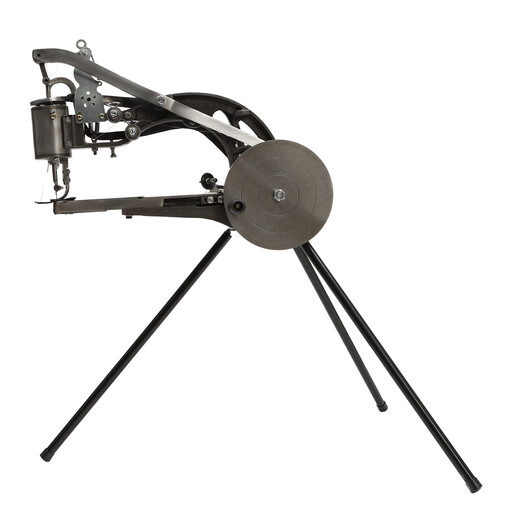
If you’d like to sew by hand and make repairs to leather, canvas or rubber, this hand-crank model is the one to consider. Even so, test whether it can handle the folded fabric combination for your cutlery roll.
 No image available
This electric machine offers a selection of stitch programmes for simple sewing projects. The description gives a maximum material thickness of 2.5 mm; its reference to multiple layers is for thin denim and doesn’t prove that it can handle your particular fold.
The product title mentions two speeds and forward and reverse sewing.
 No image available
This compact model is described as suitable for simple sewing and alterations. The product title lists 12 stitches and accessories; test a fabric sample to check that it can sew evenly along the folded edges of your roll, too.
 No image available
According to the product title, this portable model is designed for domestic sewing. It’s listed as 6 V, 1 A and can be operated using the hand control or foot pedal.
Accessories listed include a bobbin, an empty bobbin, a spare needle and a needle threader.
 No image available
The product title lists 12 built-in stitches and reverse sewing for a range of sewing projects. The description states that four AA batteries are needed for battery operation; they’re not included.
SCHMETZ lists its Jeans needle in system 130/705 H-J for heavy, thick fabrics such as canvas and sailcloth. Also check which needle system and sizes are approved for your machine; using the right needle doesn’t replace testing all the fabric layers together.
First, sew a test piece using the actual fabrics, interfacing and folds. If the layers shift against each other, check for a walking foot that’s confirmed as compatible with your exact machine model. Janome describes using this type of foot for multiple layers of different materials.
First, use your machine’s instructions to check the threading, the condition of the needle, that the bobbin is correctly inserted and that the feed dogs are engaged. Singer lists these points in its own support advice; don’t apply settings from other manufacturers or models without checking them first.
No. For consumer purchases in Germany, statutory rights relating to a fault generally apply against the seller; a guarantee is an additional voluntary offer with its own terms. The Verbraucherzentrale states that faulty goods are generally covered by a two-year statutory warranty period.
Check the applicable safety information for the specific machine, including the CE marking, product and manufacturer details, and any required German-language instructions and warnings. The Bundesnetzagentur lists these as checks for electrical and electronic products. The CE marking is the manufacturer’s declaration of conformity, not an independent quality mark.