What should you look for when buying?
First check the thickest seam you plan to sew, then how the fabric is fed through the machine, and only then consider extra stitches or decorative features.
| What matters |
What to look for when buying |
Who is it important to? |
| Thick edges |
Check that the needle is suitable and that there’s enough room under the presser foot; recreate the thickest section in a test seam. |
If several folded layers meet at an edge, I want to know whether the machine can handle that exact section. Around 36% of consumers put sewing thick edges first. |
| Consistent edge control |
Test whether the layers feed through together; check for an additional feed and the needle position. |
I want to make sure the narrow layers don’t shift against each other while I’m topstitching. Around 29% of consumers prioritise consistent edge control. |
| Ease of use |
Check the straight stitch, adjustable stitch length, threading route and seam securing in the manual. |
If I’m starting with short, straight seams, I want to begin with a few clear settings. Around 21% of consumers prioritise ease of use. |
| Decorative details |
Consider only the decorative stitches and presser feet you actually want. |
For decorative seams, I want to be able to choose suitable stitches and feet for the job. Around 14% of consumers put creative options first. |
Joybuy product selection
This selection includes electric beginner models and a hand-operated machine for sturdier materials. To see whether a model suits your bookmark fabric, test it with a sample seam.
 No image available
Electric beginner sewing machine, 12 stitch programmes
For short sewing jobs, with forward and reverse stitching listed as features.
Dual-thread system; two speeds; operated by foot pedal or hand switch.
The stated limit of up to 2.5 mm or six layers applies to lightweight denim; test your own fabric layers with a sample seam.
Joybuy
 No image available
Portable mini sewing machine, 12 stitches, pink
Described as a portable sewing machine for simple sewing jobs; check that its features suit your fabric layers before buying.
12 stitches; dual power; LED light; accessories are listed in the product name.
Joybuy
 No image available
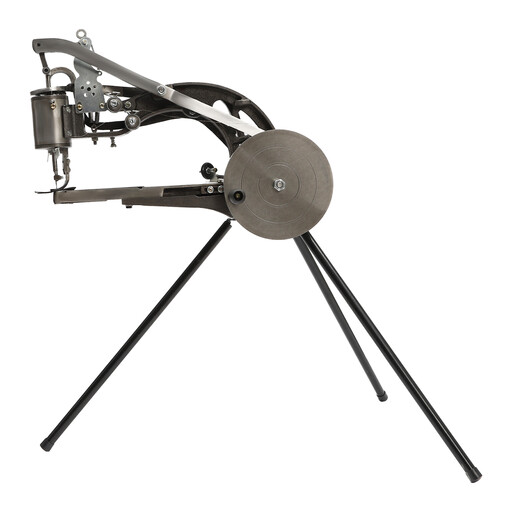
Hand-crank sewing machine for thick materials, 6 mm stitch length
This could be an option if you want to work with sturdy materials such as canvas and a hand-cranked machine suits your project.
The description lists a material thickness of 3–5 mm and a head that adjusts through 360°; check whether it suits your specific fabric.
Hand-cranked rather than electrically powered.
Joybuy
 No image available
IAGREEA YASM-505A mini sewing machine, 12 stitches, purple
Described as suitable for simple sewing and mending; test your planned fabric layers with a sample seam.
Portable machine with 12 built-in stitches and reverse stitching.
Joybuy
Frequently asked questions
Is a straight stitch enough for layered fabric bookmarks?
A straight stitch is a sensible starting point for a simple joining seam or topstitching. If you want visible decorative details, also check which decorative stitches and presser feet you’ll need, and test the stitch and fabric layers on a scrap first. BERNINA’s bookmark guide is an example of a specific project, not general advice for every type of fabric.
Which needle is suitable for the fabric layers?
Choose a needle to suit the fabric and your machine’s needle system, rather than basing your choice on the number of layers alone. SCHMETZ recommends system 130/705 H-J jeans needles for sturdy fabrics such as canvas, and system 130/705 H-M Microtex needles for very fine or densely woven materials. Check compatibility and test the result with a sample seam.
What can I do if the fabric layers aren’t feeding evenly?
Check the settings in the manual for your specific model and test them on a fabric sample. Singer’s troubleshooting guide is specifically for the Heavy Duty 6800C and mentions, among other things, lowering the presser foot and engaging the feed dogs for normal sewing. If the layers keep shifting despite using the right settings, you could consider a model with an additional top feed.
What are my rights if a product is faulty or I buy online in Germany?
According to the Verbraucherzentrale, the seller is responsible for the statutory warranty if a product has a defect. For goods ordered online, you generally have a 14-day right to cancel from the date you receive them, although exceptions may apply. A voluntary manufacturer’s guarantee is separate from this.
What should I look for in electrical product safety?
For market surveillance, the Bundesnetzagentur lists checks including the CE marking, identifiable manufacturer details and German-language instructions with the required warnings. The European Union explains that CE indicates the manufacturer’s declaration that the product meets the relevant requirements; it is not a central EU approval. This general information doesn’t confirm that a specific device is compliant.


