For occasional, straightforward pouches made from easy-to-handle fabric layers, a mechanical sewing machine may be enough; TÜV SÜD classifies mechanical models as suitable for simple tasks and occasional use. If you sew lots of short seams, speed control and a needle stop can make stitching easier to guide. For zips, a suitable foot matters, while reinforced sections call for a test piece made from exactly the same layers as your project. Also measure the space you have for setting up and storing the machine, including its accessories: feature lists alone cannot confirm that it will fit on your table or sew neatly across every change in fabric thickness.
Which machine is right for you?
Pouch makers short on space
If you need to fit your machine, accessories and fabric into the same small room, measure the setup space and storage space separately. Include an extension table if you plan to use one: ‘compact’ on its own tells you nothing about how much room you’ll need.
Pouch makers sewing in zips
When sewing close to the zip, around corners and across changes in thickness, a compatible zip foot and good control over short seams are important. Janome and Brother list a zip foot for the models mentioned here; check what’s included with the specific version you’re considering.
Pouch makers working with reinforced fabrics
If you want to sew canvas, lining or reinforced sections with several layers, test how the fabric feeds using your planned combination of materials. A label such as ‘Heavy Duty’ is no guarantee that a machine will handle every combination of fabrics.
What should you look for when buying?
For making travel pouches in a small craft room, the main things to consider are space, control when sewing near a zip, your planned fabric layers and ease of use.
| What matters to you |
What to check before buying |
Who it matters most to |
| Room to sew and store the machine |
Compare the machine’s dimensions with the extra space needed for fabric and any extension table you plan to use. |
If I sew in a small craft room, my machine, fabric and accessories all need to fit into the same limited space. That’s why around 27% of consumers put available setup and storage space first. |
| Sewing zips and corners |
Check that the zip foot is compatible and included; practise short seams and changes of direction on a test piece. |
If you sew close to the zip and need to change direction at small corners, you’ll need good control and a suitable foot. Around 33% of consumers prioritise sewing zips and precision. |
| Multiple layers or heavier fabrics |
Test your outer fabric, lining, reinforcement and actual changes in thickness together; apply material specifications only to the model they refer to. |
If my pouch has reinforced sections or several fabric layers, I want to test the exact combination before sewing the finished item. Around 27% of consumers pay particular attention to how their fabric layers are handled. |
| Ease of use and accessories |
Check the basic features you need, which presser feet are included and the terms of any voluntary warranty separately. |
If you sew occasionally and want straightforward controls and the right accessories included, don’t compare machines by the number of programmes alone. Around 13% of consumers put an easy start first. |
Mechanical sewing machine
A good fit if: You sew simple pouches occasionally and are happy to use dials to adjust the settings.
Things to consider: You’ll need to adjust the stitch and, where relevant, tension settings manually; check the foot, work area and fabric layers for the specific model.
Electronic sewing machine
A good fit if: You often sew short seams and corners, and would like features such as speed control or a needle stop.
Things to consider: Extra features don’t guarantee a neat finish across a particular change in fabric thickness; check the foot and what’s included with the specific model too.
Overlocker as an addition
A good fit if: You also want to trim and neaten lots of fabric edges in one step, and have room for a second machine.
Things to consider: It won’t automatically replace a machine for every stage of making a pouch, particularly sewing in a zip.
Common buying mistakes
-
Putting the number of stitches first
A wide choice of programmes doesn’t tell you whether the machine can handle a zip, a small corner or a change in fabric thickness for your project.
First check that the machine has a suitable zip foot and the controls you need. Then sew a test piece using the materials you plan to work with.
-
Assuming ‘compact’ means it will fit your sewing space
An extension table can help guide the fabric, but you’ll need extra room to use it.
Compare the setup and storage dimensions separately, and leave space beside the machine for your fabric.
-
Assuming ‘Heavy Duty’ guarantees it can sew any reinforced seam
The specifications for the SINGER Heavy Duty 4423 apply to this model and the stated fabric types, not every possible combination of layers in a pouch.
Check the model’s manual and test a change in fabric thickness using the materials you’ll actually be sewing.
-
Confusing a manufacturer’s warranty with your statutory rights
A voluntary warranty and statutory rights relating to faulty goods have different legal bases and terms. The Verbraucherzentrale distinguishes a warranty, which is offered voluntarily, from your statutory rights against the seller.
Keep warranty information and proof of purchase separate, and if there’s a fault, first check what you can claim from the seller.
Brands and model ranges to consider
W6 Wertarbeit
The mechanical N 1235/61 is an option for occasional, relatively simple pouch-making projects.
- W6 lists 23 programmes and dial controls for this model.
- These specifications don’t confirm that it’s suitable for every reinforced pouch or show what’s included with a specific offer.
Janome
The 230DC Limited Edition is worth considering if you’re looking for speed control and a zip foot.
- Janome also lists adjustable presser-foot pressure and an extension table as included.
- Allow extra room for the extension table and check how much space you have on your work surface.
Brother
The Innov-is A16 is an electronic option for frequent corners and short seams.
- Brother lists a speed control, needle stop in the up or down position and a zip foot as included.
- The manufacturer’s claim that it can handle multiple or heavier fabric layers doesn’t confirm how it will perform with your specific pouch materials.
SINGER
The Heavy Duty 4423 is worth considering if you plan to use canvas or denim for your pouches.
- SINGER lists the model for these fabrics and includes a zip foot in its specifications.
- The ‘Heavy Duty’ label and the manufacturer’s fabric specifications aren’t a guarantee that it can handle every type of reinforcement.
bernette
The mechanical 05 ACADEMY is an option if you want to limit the speed and adjust the presser-foot pressure.
- bernette lists these features and includes an extension table.
- Allow room for the extension table; the features alone don’t tell you how neatly the machine will sew your pouch.
Joybuy products to explore
The products below range from compact domestic machines to hand-operated models. Compare the drive type, controls and stated fabric specifications with the layers you plan to use for your pouch.
 Image unavailable
Multifunctional mini domestic sewing machine, 12 stitch types, single and twin needle options, with sewing kit
For small craft-room sewing projects, the stated compact dimensions and two speed settings are worth considering.
The description lists 12 stitch types, single and twin needle options, two speed settings and a free arm. Check the actual dimensions and what’s included before buying.
View on Joybuy
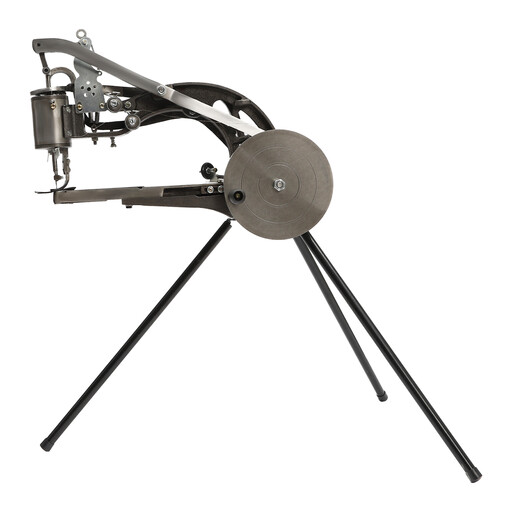 Image unavailable
Hand-operated leather sewing machine, material thickness 3–5 mm
This model may suit heavier materials if a hand-cranked machine fits your way of working and your chosen fabric is compatible with the instructions.
The product title states a material thickness of 3–5 mm and a head that rotates through 360°; the description lists canvas and bags as examples of what it can be used for, as well as a stitch length of up to 6 mm. This is a hand-operated machine. Test your pouch materials on a sample piece.
View on Joybuy
 Image unavailable
Electric sewing machine for beginners, 12 stitch programmes, two speed settings
If you’re planning to sew short seams with a choice of controls, the title lists two speeds, a foot pedal and a hand switch.
The description states that it can sew up to six layers of lightweight denim, with a maximum material thickness of 2.5 mm. These specifications apply to lightweight denim; test your own fabric and reinforcement layers on a sample piece.
View on Joybuy
 Image unavailable
Portable mini sewing machine, 12 stitch types, pink, with accessories
For small sewing projects, the description lists two speed settings and operation by foot pedal or button.
The title lists 12 stitch types and dual power; the description also lists forward and reverse sewing, an LED work light, an adjustable thread tension control and an automatic bobbin winder. Check which power supply and accessories are included with the specific version.
View on Joybuy
 Image unavailable
IAGREEA portable electric mechanical sewing machine, 6 V, 1 A
The compact design described may suit a small work area; compare the stated dimensions with the space you have.
The description lists dimensions of 8.3 × 7.7 inches, a fixed straight stitch and two speed settings. The product title states that it can run from mains power or four AA batteries; a foot pedal and accessories are also listed. Bear in mind that it only has one fixed straight stitch.
View on Joybuy
Frequently asked questions
Do I need a special foot to sew a zip into a pouch?
A suitable zip foot can help you guide the seam along the zip. Check that it’s compatible with your machine and included with it; Janome and Brother specifically list this type of foot for the models described here.
How can I test a machine before making a pouch from several fabric layers?
Sew a test piece using the materials you plan to use, including the lining, reinforcement and any changes in thickness. Manufacturer specifications for denim or canvas don’t necessarily apply to a different combination of layers.
How much room should I allow for a sewing machine?
Allow space beside the machine for guiding your fabric and, if needed, an extension table. Measure setup and storage space separately, and follow the instructions for your specific model when setting it up, cleaning it and carrying out maintenance.
Are a warranty and statutory consumer rights the same thing?
No. Statutory rights relate to claims against the seller if goods are faulty; a warranty is an additional voluntary service with its own terms. The Verbraucherzentrale recommends considering the terms of each separately.
Can I cancel an online sewing machine purchase in Germany?
For an online purchase by a consumer in Germany, you generally have a 14-day right to cancel from the date you receive the goods; some exceptions apply. The Verbraucherzentrale distinguishes this statutory right from a retailer’s voluntary offer of a longer returns period.


