
Lieferung heute & morgen

Qualitätsgarantie

Willkommens-Angebote freischalten: KOSTENLOSE Lieferung | Bis zu 80 % RABATT | Kostenlose 30-Tage-JoyPlus-Testphase
App herunterladen
Whether you are repairing a small tear in clothing, sewing your own decorations or working on a creative craft project, the right sewing supplies can make the difference between completing the job with ease and being held up by missing accessories. For sewing beginners, hobby sewers and DIY enthusiasts, it is therefore worth taking a close look at the equipment, power supply, material compatibility and included accessories.
A sewing machine for beginners is often advertised with a wide range of stitch patterns. What really matters, however, is whether the machine is easy to thread, offers controllable speed and is suitable for the fabrics you plan to use. For simple hems and repairs, a few easily accessible functions are often enough. Complicated operation can make getting started unnecessarily difficult.
A mini sewing machine or portable sewing machine takes up little space and can be stored flexibly. However, it is not automatically designed for thick layers of fabric, long sewing projects or regular heavy use. Before buying, check whether a foot pedal, mains adapter, battery operation and replacement needles are included.
A sewing kit containing many items can appear complete at first glance. The number of pieces alone says little about its practical usefulness. Check whether the threads included match your fabric colours, whether needles for different materials are supplied and whether there is sturdy storage. With a sewing thread set or needle and thread set, it is also important to check whether the thread reels are compatible with your sewing machine.
For stationary use at home, a mains adapter provides a constant power supply. A portable sewing machine with a battery compartment, on the other hand, can be practical for travelling, holiday accommodation or mobile craft projects. With devices that have two power sources, always use only one power supply at a time and follow the operating instructions.
You should also check:
For repairs to shirts, cotton or lightweight decorative fabrics, a simple basic specification is often sufficient. If you want to work with denim, corduroy or several layers of fabric, look for reliable fabric feed, a suitable needle and the right presser foot. A machine with reverse sewing can provide additional security at the start and end of seams.
An LED work light, a clearly visible threading guide and an integrated thread cutter make the machine easier to use. However, these features do not replace the correct adjustment of thread tension and needle position.
Depending on the blade shape, an electric fabric cutter can be suitable for materials such as felt, leather, cardboard, carpet or plastic. A rotary blade is designed for longer cutting lines, while a pointed blade can provide greater control around corners and edges. Before buying, therefore, check which blade shape is best suited to your project.
Important technical specifications include:
With an electric fabric cutter, also known as an electric fabric scissors, always keep your hands outside the cutting line. Safety goggles and suitable gloves may be advisable depending on the material and working conditions. This tool must be kept out of the hands of children.

Why this product suits this profile: The compact machine offers an accessible introduction to hemming, simple seams and smaller DIY projects at home.
The printed threading guide, two speed settings and reverse sewing make operation easier to understand than with devices that offer no visible guidance.
12 integrated stitch patterns, LED work light, thread cutter, plus mains and battery operation with 4 AA batteries.
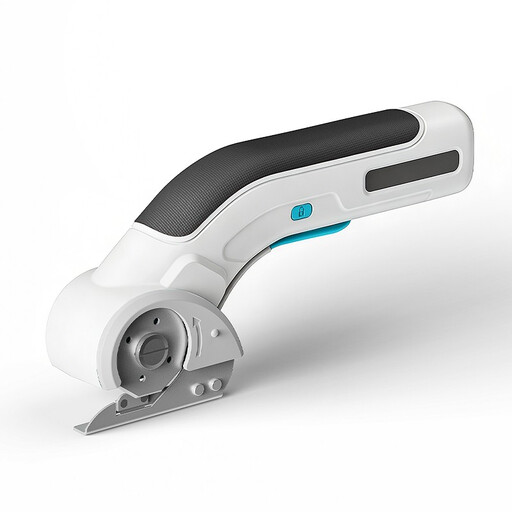
Why this product suits this profile: The cordless cutter is an appealing choice for users who want to cut fabric and other craft materials repeatedly with smooth, consistent guidance.
The product details explicitly state that it has a rotary blade, USB-C charging and an integrated blade lock. A replacement blade is not included and should be factored into your plans.
4.2-volt lithium-ion battery, stated runtime of up to two hours, 11,000 rpm, weight of 0.39 kg and tool-free blade replacement.
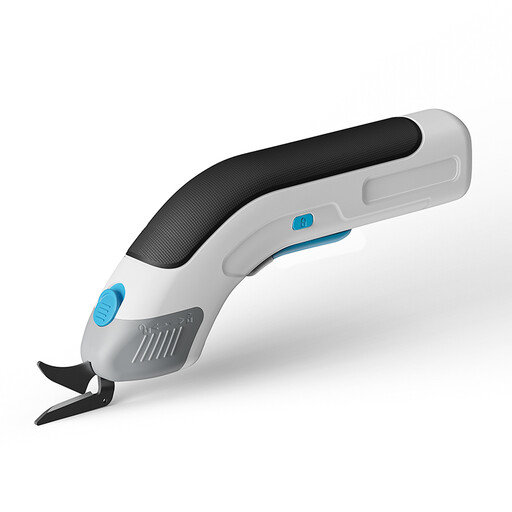
Why this product suits this profile: The pointed blade is designed for precise cuts around edges and corners, making it useful for detail-focused sewing and craft work.
The blade shape is clearly differentiated from the rotary-blade model. According to the product details, the runtime is up to 45 minutes, preventing unrealistic expectations for lengthy battery-powered work.
Tungsten steel blade, 11,000 rpm, weight of 0.2 kg, USB-C charging and integrated safety lock.
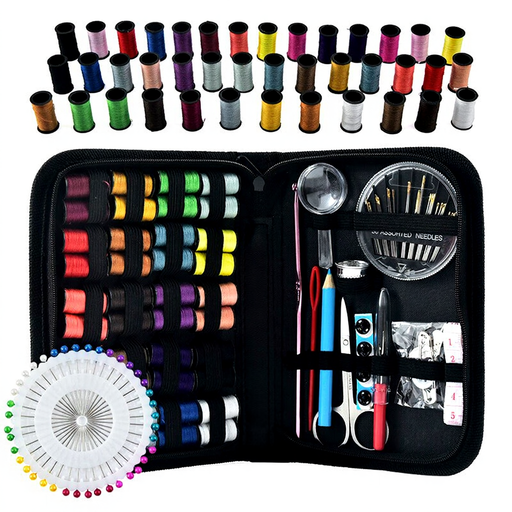
Why this product suits this profile: The compact sewing kit is designed for use at home, while travelling, at university or for making quick alterations to clothing.
The contents are stored in a tidy case. This makes it easier to check before buying whether needles, threads and buttons are included for simple repairs.
128 pieces, 24 thread colours, assorted needles, buttons and compact storage.
For broken fastenings, a separate zip repair kit can be a useful alternative. It is designed for damaged sliders, missing teeth or detached zip pulls on clothing, bags and handicrafts. For general sewing tasks, a sewing thread set with 36 coloured reels can provide a useful addition.
We have put together a complete, regularly updated list of products that fully meet these strict selection criteria and the safety regulations applicable in the EU.
Look for a clear threading guide, at least one low-speed setting, easy-to-reach controls and straightforward instructions. For simple repairs, a compact machine with basic stitches is often sufficient. Thick fabrics and multiple layers, however, require a machine designed for the job and suitable needles.
A basic kit should include several types of needles, threads in different colours, a small pair of scissors, a tape measure, pins, buttons and a seam ripper. For use on the go, a case with fixed compartments is useful. Sharp needles and small parts must be stored safely and out of the reach of young children.
Do not compare only the purchase price; also consider consumables and the power supply. Check whether standard needles, bobbins and thread reels can be bought as replacements. For rechargeable devices, charging time and runtime are important. For battery-operated machines, the cost of the required batteries should be included in your ongoing expenses.