
Lieferung heute & morgen

Qualitätsgarantie

Willkommens-Angebote freischalten: KOSTENLOSE Lieferung | Bis zu 80 % RABATT | Kostenlose 30-Tage-JoyPlus-Testphase
App herunterladen
A shaggy rug can transform a room from cool and impersonal into a haven of cosiness. Its high, soft pile is an invitation to walk barefoot and creates a warm atmosphere. However, pitfalls lurk during the selection process that can quickly turn the dream of a plush floor covering into a poor purchase. Many models look appealing in the store but lose their shape after just a few months or prove difficult to maintain.
This guide will show you the objective criteria that matter, so you can find a durable and practical high-pile rug that perfectly suits your needs.
The decision for a rug is often made based on looks alone, overlooking functional aspects that are crucial in daily life. Here are two common problems you can avoid:
To avoid these problems, you should check three key product characteristics before buying. These largely determine the durability, maintenance effort, and suitability for your living space.
The material is the most important factor for a low-maintenance rug. Synthetic fibres like polypropylene (PP) are often a very practical choice here. This material is naturally resistant to wear, moisture, and stains. The fibres absorb very little liquid, meaning spills can usually be blotted up easily.
In addition to the material, pay attention to the pile density. A high density means more yarn has been used per square metre. A dense pile is not only softer but also more resistant to flattening. It springs back more easily after being compressed and retains its shape for a longer period.
Not every rug is suitable for every room. A crucial criterion is compatibility with underfloor heating. An unsuitable rug can block heat transfer or become deformed by the constant exposure to warmth. Look explicitly for the manufacturer's "suitable for underfloor heating" label. This ensures that the rug's backing and fibres are heat-resistant and allow heat to pass through efficiently.
How the room is used also plays a role. For a high-traffic living room rug, a robust material like polypropylene is ideal. For a rug for a teen's room, durability and ease of cleaning are equally crucial.
The shape of the rug significantly influences the room's ambiance. A rectangular rug is excellent for defining seating areas in the living room or serving as a runner in hallways. A round rug, on the other hand, can be placed as a playful accent under an armchair or in the centre of a smaller room to break up rigid lines.
Measure the intended area carefully. A rug that is too small will look lost, while one that is too large can overwhelm the space. As a rule of thumb: for a seating area, at least the front feet of the sofa and armchairs should be on the rug.
Based on these objective criteria, we have identified some models that are suitable for different requirements and lifestyles.
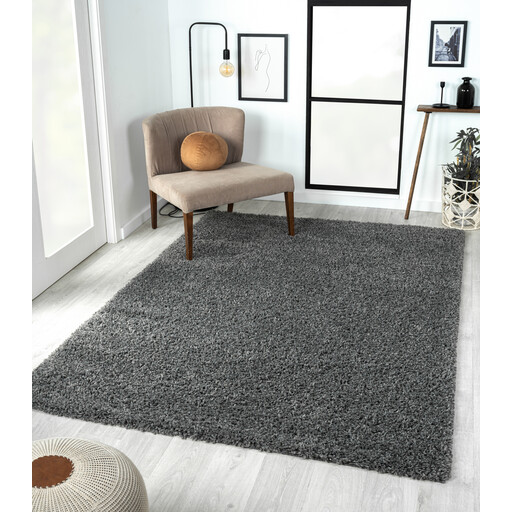
Why this model is a great fit: With its generous size and neutral grey rug colour, this model is ideal for anchoring a modern lounge area in the living room. It creates a clearly defined, cosy zone for the whole family.
The polypropylene material is resilient and prevents the rapid matting that is often a problem with rugs in high-traffic areas.
According to the manufacturer, the rug is hard-wearing and suitable for rooms with underfloor heating, which makes it highly versatile.
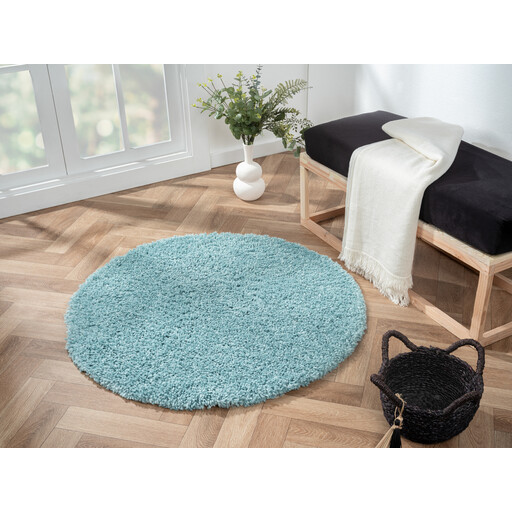
Why this model is a great fit: The round shape and fresh colour soften the often linear furniture in a teen's room. It provides a comfortable surface for sitting and studying on the floor.
The polypropylene material is stain-resistant and easy to clean, which avoids the high maintenance effort – a key aspect for a rug for a teen's room.
The round shape with a 150 cm diameter is large enough to make a statement without dominating the entire room. It is also suitable for underfloor heating.
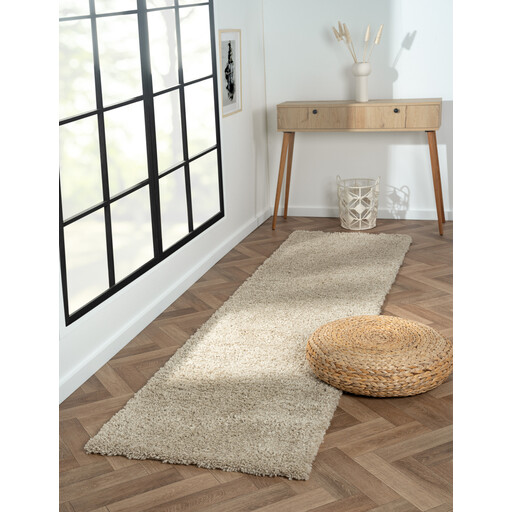
Why this model is a great fit: The runner format is specifically designed for long, narrow areas like hallways or as a bedside runner. The timeless beige rug colour visually brightens up darker entrance areas.
Durability is crucial in a high-traffic area. The polypropylene material withstands heavy use and prevents the pile from quickly flattening.
The specific dimensions of 300 x 80 cm are optimised for hallways. Its suitability for underfloor heating is a practical feature in modern or renovated homes.
We have compiled a complete, up-to-date list of products that fully meet these strict selection criteria and German safety regulations.
Yes, many modern shaggy rugs are designed for use on floors with underfloor heating. The key is the manufacturer's label. Models made from materials like polypropylene with a heat-permeable backing are generally safe. Always check the product description or label for the "suitable for underfloor heating" notice to avoid heat build-up.
Regular maintenance is straightforward. Vacuum the rug at least once a week with a smooth nozzle without rotating brushes, as these can pull out the long fibres. For stains, act immediately: blot liquids with a clean, absorbent cloth instead of rubbing. For a more thorough cleaning, the manufacturer's care instructions are paramount.
The longevity of the plush feel depends on the material quality and pile density. A high-pile rug with a high density of polypropylene fibres is significantly more resistant to matting and flattening than low-density models. To distribute wear evenly and extend the rug's life, it can be helpful to rotate it 180 degrees every six months.