
Lieferung heute & morgen

Qualitätsgarantie

Willkommens-Angebote freischalten: KOSTENLOSE Lieferung | Bis zu 80 % RABATT | Kostenlose 30-Tage-JoyPlus-Testphase
App herunterladen
Shakes and smoothies suit a range of everyday situations: as a protein-rich drink after training, a quick snack at work or a homemade fruit blend prepared at home. The choice ranges from ready-to-drink products and powders to appliances such as a personal blender, a jug blender for smoothies or a slushie maker.
However, the product name alone reveals little about how suitable something really is. The key factors are nutritional values, ingredients, capacity, cleaning requirements and whether the product matches your own usage habits.
A protein shake can be a practical addition to your diet, but it does not automatically replace a balanced meal. With a ready-to-drink shake, you should consider its energy content, carbohydrates, fat, fibre and salt as well as its protein content. A meal-replacement shake should be assessed differently if it also contains vitamins and minerals. Even then, you should follow the information on the label and the intended use of the product.
Products can contain naturally occurring sugars, for example from milk or fruit. When comparing products, it is therefore worth checking the nutrition table: the relevant figures are carbohydrates and of which sugars per serving, rather than just the marketing claims on the front of the pack.
A high wattage alone does not guarantee a smooth result. When choosing a smoothie blender, you should also consider the blade design, container size, pulse function, permitted ingredient quantities and whether it is suitable for ice or frozen fruit. You should also check whether the container can be used as a drinking vessel and whether the individual parts are dishwasher-safe.
Always compare information on the same basis, such as per 100 ml or per serving. For example, according to the product information, the Optimum Nutrition High Protein Shake Chocolate provides 25 g of protein per 330-ml bottle, 185 kcal, 1.0 g of fat and 13 g of sugar per bottle. It contains milk and is specified for adults and physically active teenagers.
A casein protein such as 100% Casein Time Release Protein Creamy Vanilla contains 24 g of protein per 33-g serving, according to the product data. The ingredients list states micellar casein from milk; possible traces of gluten, egg, soya, nuts and peanuts are also indicated. If you are looking for a vegan soya drink, you should likewise distinguish between the protein source, sugar content and flavour. For example, Vitasoy Soy Drink Banana Flavour lists soya bean extract, water and sugar as its main ingredients.
For drinks to enjoy on the go, leak-proof closures and a format that is easy to carry are important. Single portions save time when measuring, while larger packs can make it easier to keep a supply at home. A 500-ml meal-replacement shake is more suitable for a larger serving than a 250-ml soya drink.
For blenders, the capacity should match the number of people using it. A personal blender with 20-oz and 14-oz cups is designed for individual portions. For several people or larger recipes, a traditional jug blender for smoothies is usually more practical.
Removable, dishwasher-safe parts reduce cleaning time and effort. Other important features include lockable blade bases, non-slip feet and overheating protection. According to the product description, the HoninJoy Smoothie Blender has a safety lock that prevents use if the cup or blade base is not correctly secured.
Follow the instruction manual and observe the permitted quantities. Appliances designed for household use are not automatically intended for continuous operation, very hard ingredients or commercial use. With an ice cream maker such as the Ninja NC302EU, the containers must first be frozen for 24 hours, according to the product information. This preparation time is often overlooked when choosing a product.
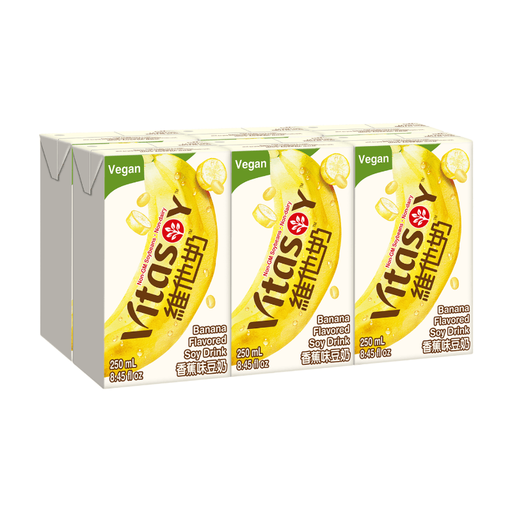
Why this product suits this profile: The 250-ml individual cartons are portion-sized and can be enjoyed straight away without a blender. The format is ideal for stocking up, taking to the office or enjoying on short journeys.
The nutritional information makes it clear that this drink is not automatically a high-protein beverage: it contains 1.5 g of protein and 4.9 g of sugar per 100 ml.
Portion-sized 6-pack; soya bean extract listed as a key ingredient in the product description.
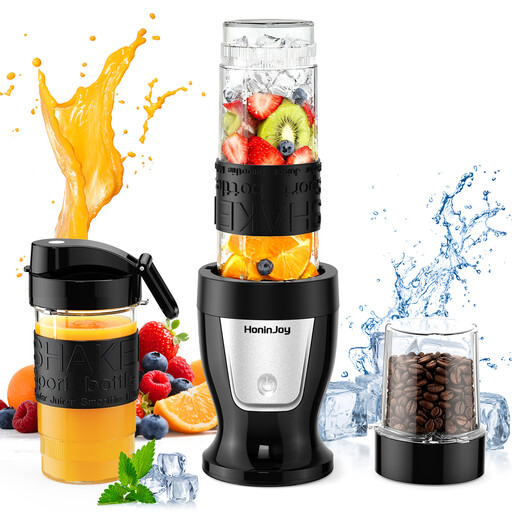
Why this product suits this profile: This blender combines individual portions with an additional grinding function, making it suitable for households that want to prepare shakes, smoothies and dry ingredients using one appliance.
Alongside the stated 650-W peak power, the product description specifies a pulse function, overheating protection and a locking mechanism. Use remains limited to typical household quantities.
Two portable cups with capacities of 20 oz and 14 oz; the cups, lids and grinding cup are dishwasher-safe according to the description.
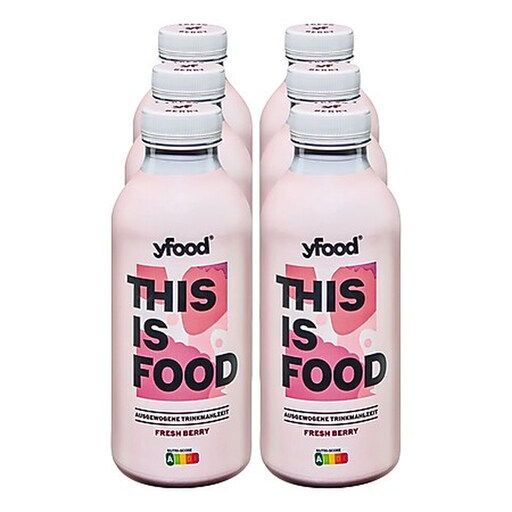
Why this product suits this profile: This ready-to-drink shake is designed for situations where you want to avoid preparation, measuring and washing up. According to the product information, it can be stored unrefrigerated while unopened.
The nutritional data lists 6.8 g of protein, 7.0 g of carbohydrates and 1.6 g of fibre per 100 ml. This makes it easier to assess the serving objectively.
Lactose-free, UHT-treated drink according to the product description; vitamins and minerals have been added.

Why this product suits this profile: This appliance is aimed at households that want to prepare sorbet, gelato, milkshakes and frozen desserts as well as smoothie bowls.
The required 24-hour freezing time and the maximum container capacity of 473 ml per cup must be taken into account. This prevents unrealistic expectations about spontaneous preparation.
Seven programmes; two BPA-free, dishwasher-safe containers with a total capacity of 0.95 l, according to the product data.
We have put together a complete, regularly updated list of products that fully meet these strict selection criteria and the safety regulations applicable in the EU.
First, check the amount of protein per serving, the ingredients and any potential allergens. A ready-to-drink shake is convenient, while powders such as casein protein can be measured out according to your needs. Follow the serving recommendation on the packaging; a supplement is not a substitute for a varied diet.
Homemade smoothies should ideally be consumed straight away. For bottled products, follow the manufacturer’s instructions. According to the product information, opened yfood products should be refrigerated and consumed within 24 hours. A different time limit may apply to other drinks.
The ongoing electricity costs depend on the appliance’s power, how long it is used and your electricity tariff. For a rough estimate, multiply the power in kilowatts by the operating time in hours and the price per kilowatt-hour. With short blending times, electricity consumption is usually less significant than the purchase price, ingredients and cleaning effort.