
Lieferung heute & morgen

Qualitätsgarantie

Willkommens-Angebote freischalten: KOSTENLOSE Lieferung | Bis zu 80 % RABATT | Kostenlose 30-Tage-JoyPlus-Testphase
App herunterladen
Dry, bleached or coloured hair often needs a tailored routine combining cleansing, conditioner and additional care. When looking for shampoo and care for damaged hair, however, product claims such as “repair”, “bond-building” or “colour protection” are not always clear-cut. What matters is the type of damage involved and whether the formula suits your scalp, hair structure and washing habits.
Cosmetic haircare can smooth the surface, improve manageability and make hair look better cared for. However, a shampoo cannot permanently restore split ends or severely damaged areas of the hair fibre to their original condition. Terms such as hair repair, “strengthening” or “bond-building” should therefore be understood as indications of the care approach, rather than medical or permanent healing claims.
A shampoo for dry hair is generally designed to cleanse and provide a moisturised feel. Fine hair, on the other hand, can feel weighed down more quickly by rich conditioning products. Conversely, a lightweight volumising shampoo for fine hair may not be sufficient for highly porous, bleached hair. Your choice should therefore be based on the main concern: dryness, breakage, colour loss, lack of hold or a sensitive scalp.
A sulfate-free shampoo may appeal to people who prefer gentler cleansing or wash coloured hair frequently. However, how a shampoo feels during washing depends on the entire formula. Sulfate-free products may still contain fragrances or other ingredients that do not suit everyone. The current INCI list on the packaging is therefore the deciding factor.
A mildly acidic formula may be suitable for coloured or chemically treated hair. However, a low pH is not proof of quality on its own. Also check:
If you have a sensitive scalp, start by using a small amount. Stop using the product if you experience burning, redness or itching. The information on the packaging takes precedence, as formulas may change.
Work shampoo into wet hair and then rinse thoroughly. A second wash may be needed if there is a significant build-up of styling products. A hair mask for stressed hair is generally applied to the lengths and ends once or twice a week. Using intensive care products too frequently can weigh down fine hair. Heat from a hairdryer, straighteners or curling tongs should be reduced wherever possible and accompanied by a suitable heat protectant.
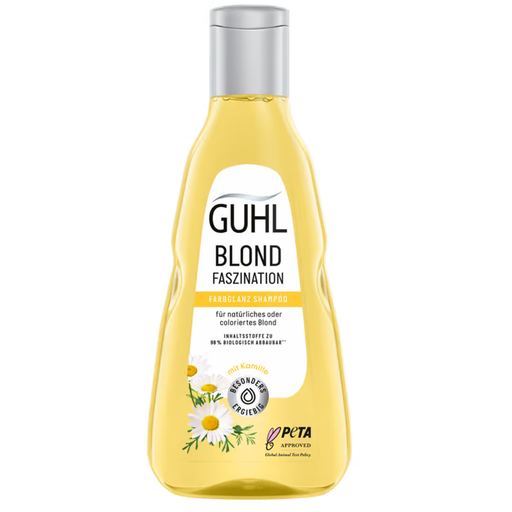
Why this product suits the profile: For natural blonde, coloured or highlighted hair when you want to combine cleansing, a moisturised feel and a well-groomed appearance in your everyday routine.
The product information states that it has a silicone-free formula and is designed for blonde and highlighted hair. This makes it easier to match to your specific colour type.
250 ml content, with 94% ingredients of natural origin according to the product description and ISO 16128, including water, plus a bottle made from 99% recycled material.
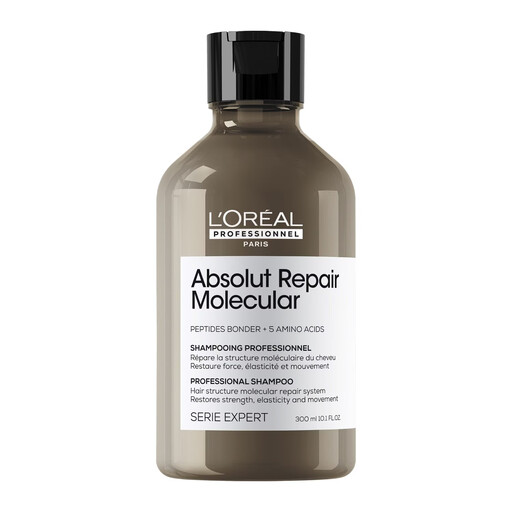
Why this product suits the profile: For dry, heavily stressed or chemically treated hair when you are looking for targeted care with amino acids and peptide bonders.
The formula is explicitly described for damaged and dry hair, as well as for all hair colours. This positions it more clearly than a general promise of care.
300 ml content, a sulfate-free surfactant combination according to the INCI list and a formula containing glycerine, amino acids and conditioning polymers.
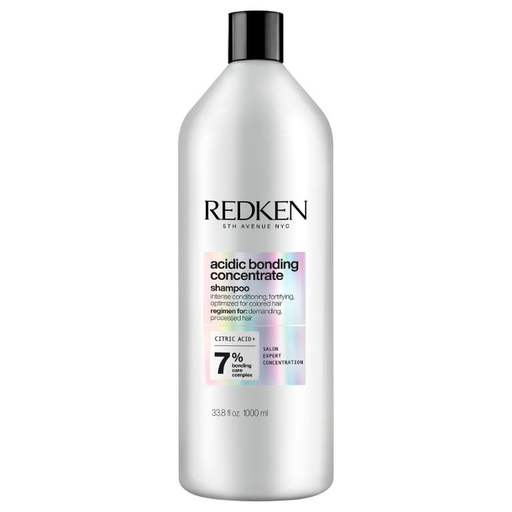
Why this product suits the profile: The 1.000-ml size is aimed at people who wash their hair frequently or prefer a larger format for their care routine.
The product description names damaged, coloured and chemically treated hair as suitable uses and highlights an Acidic Bonding Complex.
Large 1.000-ml format, sulfate-free surfactants according to the stated INCI list and a system routine focused on colour protection and intensive care.
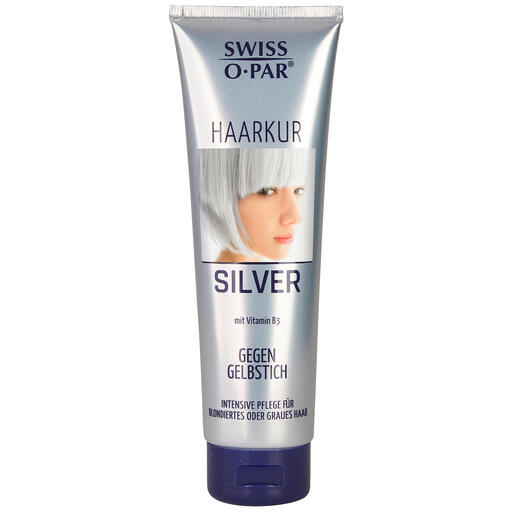
Why this product suits the profile: For bleached or grey hair where managing unwanted yellow tones is just as important as providing care.
The violet pigmentation is clearly designed to target yellow tones. The recommended use of once or twice a week helps prevent indiscriminate daily use.
150 ml content, Pro-Vitamin B3 according to the product description and a processing time of two to five minutes after washing the hair.
We have put together a complete, regularly updated list of products that fully meet these strict selection criteria and the safety regulations applicable in the EU.
This depends on your scalp, styling routine and everyday life. If you have a normal scalp, you can wash your hair as needed. Shampoo should primarily cleanse the scalp, while conditioner or a mask cares for the lengths. Lukewarm water and gentle drying help prevent additional mechanical stress.
A bond-building shampoo may be worth considering for coloured, bleached or chemically treated hair if the formula is specifically designed for this type of stress. However, it does not replace care for the lengths or a heat protectant. The complete ingredient list, application instructions and your individual tolerance are the key factors.
How long it lasts depends on the amount of product, how often you wash your hair and how much you use each time. With concentrated formulas, a small amount is often sufficient. After opening, follow instructions such as the period-after-opening symbol. Do not continue using the product if its colour, smell or consistency changes.