
Lieferung heute & morgen

Qualitätsgarantie

Willkommens-Angebote freischalten: KOSTENLOSE Lieferung | Bis zu 80 % RABATT | Kostenlose 30-Tage-JoyPlus-Testphase
App herunterladen
Dry, brittle hair prone to frizz and split ends is a widespread problem. However, the search for an effective shampoo for dry and damaged hair can quickly become complicated. The market is saturated with products whose marketing claims often create more confusion than clarity. Before making a decision, it's crucial to understand the common pitfalls that lead to regrettable purchases.
Common Pitfalls When Buying Haircare Products:
To find a shampoo that truly meets the needs of dry and damaged hair, you should pay attention to a few fundamental parameters. These provide an objective basis for your decision, beyond marketing messages.
Surfactants are the cleansing agents in a shampoo. While harsh sulphates like Sodium Lauryl Sulfate (SLS) can strip the hair and scalp of their natural oils, leading to further dryness, milder alternatives are better suited for damaged hair.
Depending on the condition of your hair, you will need different active ingredient complexes.
A silicone-free shampoo is an excellent choice, especially for fine hair, as it prevents the build-up that can weigh hair down. However, for very damaged, thick, or coarse hair, water-soluble silicones (identifiable by endings like "-cone" combined with "PEG" or "PPG") can be beneficial. They improve detangling, protect against heat damage, and provide instant smoothness without causing permanent build-up.
Based on these objective criteria, we have curated a selection of products suitable for various needs and hair types.
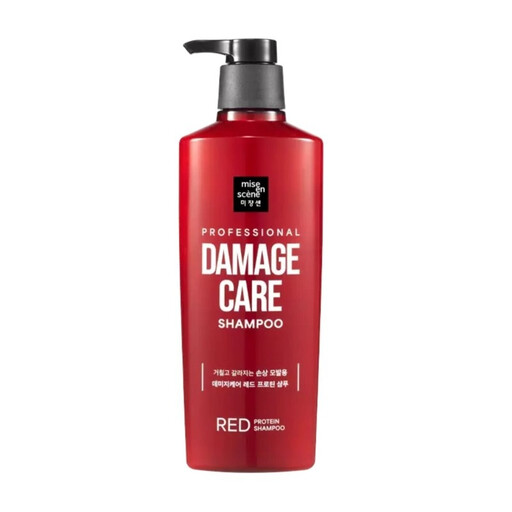
Why it's a match: Ideal for those with chemically treated (coloured, bleached) or severely heat-damaged hair. The focus is clearly on repairing the hair structure, making it an effective treatment shampoo for regular use.
Instead of just providing superficial moisture, the formula with hydrolysed vegetable protein specifically targets structural damage—a true repairing shampoo.
The formula combines strengthening proteins with nourishing oils like argan and macadamia for smoothness. According to the manufacturer, it is silicone-free.
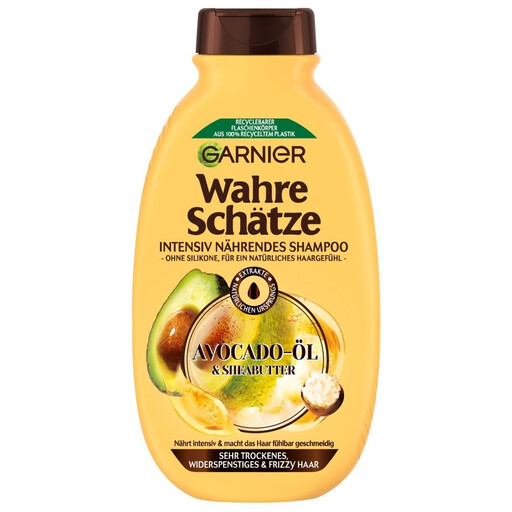
Why it's a match: For users seeking intense hydration for dry hair who value a formulation with well-known, natural oils. It's a straightforward choice for a daily care routine.
This product bypasses the "silicone myth" pitfall by being explicitly formulated as a silicone-free shampoo, relying instead on the nourishing effects of shea butter and avocado oil.
The combination of avocado oil and shea butter provides intense moisture and improves detangling without weighing the hair down. Its creamy texture ensures a pleasant feel.
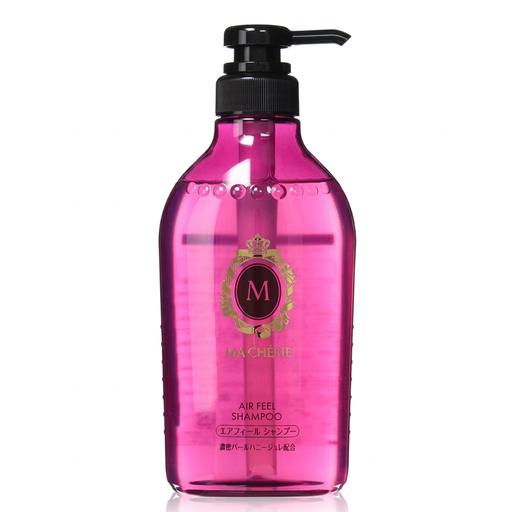
Why it's a match: Perfect for those with fine hair that is dry but tends to lose volume with rich, heavy treatments. This formula provides moisture while leaving hair feeling light and airy.
It resolves the conflict between moisture and volume by offering a lightweight formula that doesn't weigh hair down—a common issue with conventional moisturising shampoos.
The formula is designed to leave hair soft, smooth, and hydrated without adding weight. Its elegant fragrance provides a pleasant washing experience.
We've compiled a complete, up-to-date list of products that fully meet these strict selection criteria and all relevant regulations.
A shampoo for split ends cannot permanently repair split ends—only a haircut can do that. However, ingredients like proteins or polymers can temporarily bind and "seal" the split ends. This makes the hair look healthier and feel smoother. A good nourishing shampoo for damaged hair can also help prevent new split ends from forming.
In general, dry hair should be washed less frequently than oily hair, as each wash removes natural oils. A frequency of two to three times a week is sufficient for most hair types. Pay attention to your scalp's needs: if it feels itchy or dry, reduce the washing frequency.
Not necessarily. A silicone-free shampoo is beneficial for avoiding product build-up that can weigh hair down, which is especially relevant for fine hair. However, for very dry, unruly, or severely damaged hair, water-soluble silicones can offer useful protection, improve detangling, and provide a smooth feel. The decision ultimately depends on your individual hair type and desired results.