
Lieferung heute & morgen

Qualitätsgarantie

Willkommens-Angebote freischalten: KOSTENLOSE Lieferung | Bis zu 80 % RABATT | Kostenlose 30-Tage-JoyPlus-Testphase
App herunterladen
Freshly coloured hair has a special vibrancy. But often, the joy fades as quickly as the colour itself. Many people reach for a shampoo that promises colour protection, only to find the brilliance has vanished after just a few weeks. This is often due to common buying traps hidden behind marketing promises.
A common mistake is choosing a product that promises "colour radiance" but contains harsh surfactants that literally wash the colour pigments out of the hair with every wash. Another pitfall is the "one-size-fits-all" approach: a universal shampoo for colour-treated hair cannot possibly meet the specific needs of bleached, red, or dark-coloured hair equally. For instance, a shampoo for bleached hair often needs to neutralise unwanted tones, a feature a standard colour-protecting shampoo doesn't provide.
This guide will help you avoid these pitfalls. We focus on the crucial parameters that define a good shampoo for coloured hair, ensuring your hair colour retains its intensity and vibrancy for longer.
Before making a decision, you should check three technical aspects that are decisive for the effectiveness of a colour-protecting shampoo.
Surfactants are the cleansing agents in a shampoo. Many conventional products use strong sulfates like Sodium Laureth Sulfate (SLES) or Sodium Lauryl Sulfate (SLS). While they clean very effectively, they can roughen the hair's structure and quickly wash out colour pigments.
For coloured hair, a sulfate-free colour-protecting shampoo is often the better choice. Look for milder surfactants in the ingredients list, for example:
These substances cleanse the hair more gently and help to keep the hair's cuticle layer sealed, which minimises colour loss.
Colouring is a chemical process that raises the hair's natural pH level. This causes the outer cuticle layer to swell, allowing colour pigments to penetrate. If the cuticle is not fully sealed again after colouring, the pigments are lost with every wash.
A good colour-protecting shampoo, especially a professional salon-grade shampoo, has a slightly acidic pH level (typically between 4.5 and 5.5). This acidic value helps to smooth and reseal the cuticle layer. The result: the colour is locked into the hair, and the hair gains more shine and smoothness.
Not every hair colour has the same needs. Selecting the right active ingredients is crucial for the result.
Based on the criteria above, we have identified several products suitable for different needs and use cases.
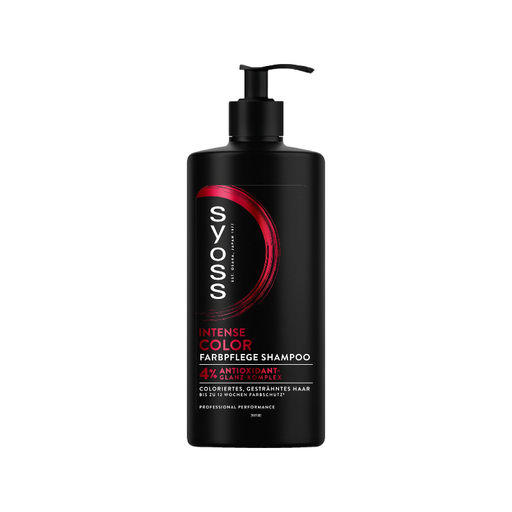
Why it's a good fit: Ideal for users looking for a reliable and affordable solution for everyday colour protection. It offers solid performance without breaking the bank.
This shampoo is specifically designed for coloured hair and contains an antioxidant complex. It avoids the "one-size-fits-all" trap by offering a targeted formula for the needs of colour-treated hair.
According to the manufacturer, it provides colour protection for up to 12 weeks compared to untreated hair. The bottle is also made from 100% recycled plastic (excluding the cap).
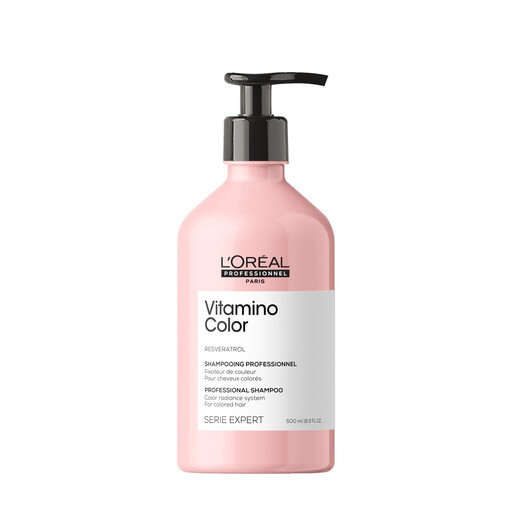
Why it's a good fit: For users who value professional-grade care and are willing to invest in an advanced formula for maximum protection of their hair colour and health.
Instead of just promising superficial shine, this shampoo relies on the active ingredient Resveratrol, a powerful antioxidant. It actively protects the hair fibre from external aggressors that cause colour to fade.
The formula gently cleanses, leaving hair noticeably softer, smoother, and more radiant. It is a trusted product from the professional salon sector.
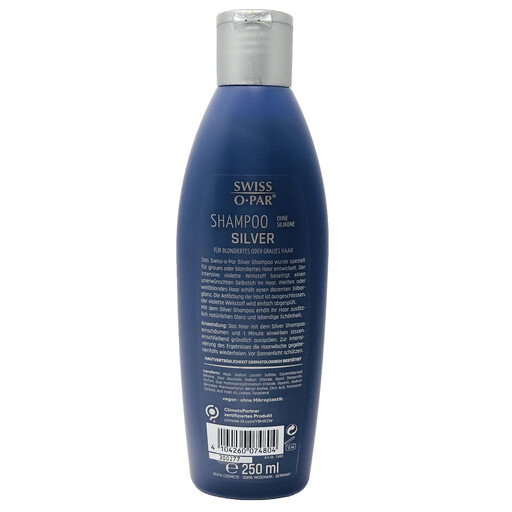
Why it's a good fit: Specifically for correcting unwanted warm tones in blonde, white, or grey hair. It is a targeted solution for a very specific problem.
This product is a clear example of a specialist shampoo. It doesn't try to solve every problem but focuses exclusively on neutralising brassy tones—an issue that generic colour-protecting shampoos ignore.
The intense violet active ingredient effectively eliminates brassiness and gives the hair a subtle silver sheen. The formula is also silicone-free.
We have compiled a complete, up-to-date list of products that fully meet these strict selection criteria and safety standards.
How often should you use a silver shampoo? The frequency of use depends on the intensity of the brassy tones and the pigmentation of the shampoo. As a general rule, using it once or twice a week is recommended. Overuse can lead to an unwanted purple tint in the hair. It is advisable to alternate the silver shampoo with a regular colour-protecting shampoo to maintain the hair's moisture balance.
Are sulfate-free shampoos really better for coloured hair?Sulfate-free colour-protecting shampoos cleanse the hair with milder surfactants. These are less likely to strip away colour pigments and the scalp's natural oils. This can preserve the vibrancy of the colour for longer and is particularly beneficial for those with a sensitive scalp or very dry hair. However, for hair that gets greasy quickly, the cleansing power might not feel sufficient.
Can a shampoo refresh your hair colour? A classic colour-protecting shampoo cannot actively refresh the colour; it can only slow down the fading process. To revive your colour between salon visits, special colour-depositing shampoos or colour-enhancing conditioners are necessary. These products deposit a small amount of pigment onto the hair's surface with each use, making the colour appear more vibrant again.