
Lieferung heute & morgen

Qualitätsgarantie

Willkommens-Angebote freischalten: KOSTENLOSE Lieferung | Bis zu 80 % RABATT | Kostenlose 30-Tage-JoyPlus-Testphase
App herunterladen
Over-processed, dry hair prone to breakage can be frustrating. The market is flooded with countless products promising instant repair, but not every shampoo for damaged hair lives up to its advertising claims. This guide will help you identify the key features and make an informed choice for your hair care for damaged hair routine.
Written by: Joybuy Product Recommendation Officer
Date: August 28, 2026
Before you choose a product, it's helpful to question common marketing promises. Many users invest in products that feign short-term improvement without addressing the underlying problem.
To achieve a lasting improvement in your hair's structure, you should pay close attention to the formulation and main active ingredients. Three factors are particularly relevant here.
The right balance is crucial. Damaged hair often has a porous, compromised cuticle layer.
Silicones are not inherently bad. Water-soluble silicones can protect the hair and improve combability. However, non-water-soluble silicones can build up on the hair and weigh it down over time. A silicone-free shampoo can be a good choice for fine hair or if you feel your hair quickly becomes stringy and loses volume. It allows nourishing ingredients to better penetrate the hair structure.
Surfactants are responsible for a shampoo's cleansing action. Harsh surfactants (like Sodium Laureth Sulfate in high concentrations) can further dry out damaged hair and irritate the scalp. Milder surfactants derived from sugar or coconut cleanse more gently and help preserve the natural moisture balance of the hair and scalp.
The choice of the right shampoo depends heavily on your hair type, the degree of damage, and your personal care routine. Here are some options tailored to different profiles.
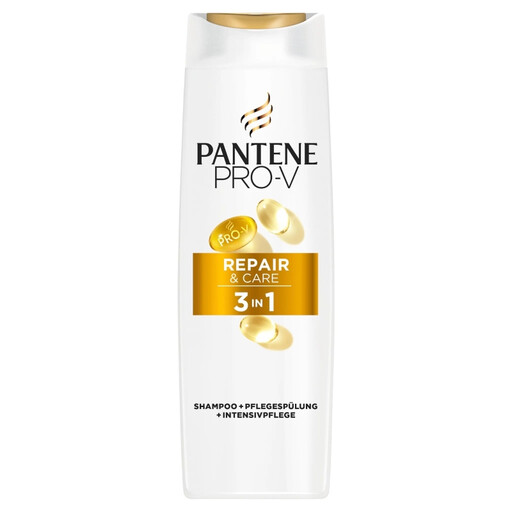
Why This Fits Their Persona: Ideal for users looking for a straightforward and efficient solution for hair stressed daily by styling. The 3-in-1 formula combines cleansing, conditioning, and intensive care in one step.
Instead of relying on a single exotic ingredient, this product uses a nutrient complex (Pro-V) that strengthens hair against styling damage and prevents split ends.
Combines shampoo, conditioner, and an intensive treatment in one product. Free of mineral oils and dyes.
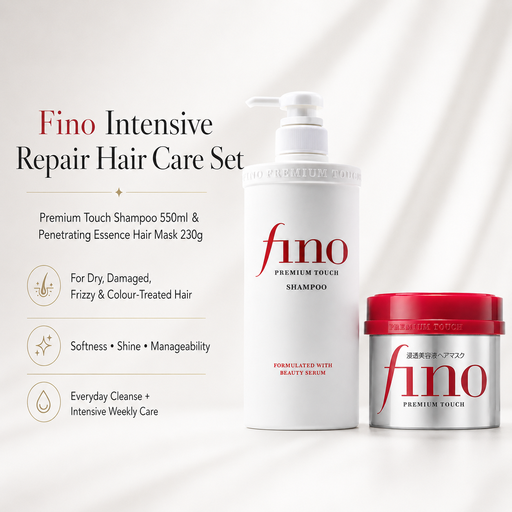
Why This Fits Their Persona: Perfect for users with hair that is heavily stressed from colouring, perms, or heat styling. This set offers a two-step routine of cleansing and a deep-acting mask for targeted repair.
This set is not a one-size-fits-all solution. It acknowledges that severely damaged hair needs more than just a shampoo, delivering a concentrated dose of nourishing ingredients with the hair mask.
Combines daily cleansing with an intensive weekly treatment. Helps to replenish moisture in dry and damaged hair.
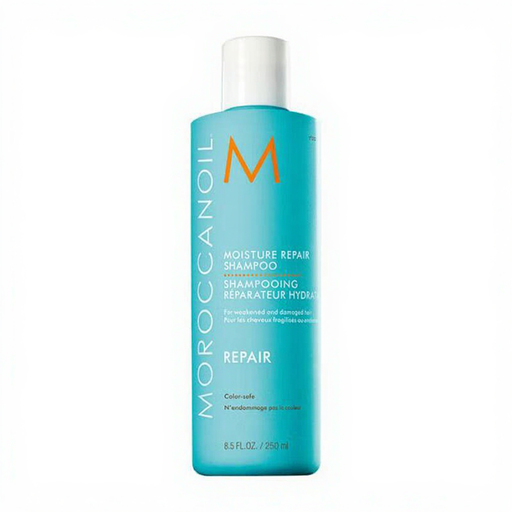
Why This Fits Their Persona: For users who value high-quality ingredients and a formulated approach to care. This shampoo is known for its nourishing properties and is suitable for those willing to invest in their hair's health.
Instead of advertising a long list of ingredients, the formula focuses on core active agents like argan oil and keratin. The sulfate-, paraben-, and phosphate-free composition avoids unnecessary fillers.
Enriched with argan oil, keratin, proteins, and fatty acids. The formula is sulfate-free and helps protect hair colour.
We have compiled a complete, up-to-date list of products that meet these strict selection criteria.
No, a shampoo cannot fuse split ends back together. The process of splitting is an irreversible physical break in the hair fibre. However, a good repairing shampoo can help smooth the hair's cuticle, making split ends less visible. More importantly, it strengthens and moisturises the hair to prevent new split ends and further hair breakage. The only way to completely remove split ends is to get a haircut.
The frequency depends on the condition of your hair and scalp. For severely damaged and dry hair, washing every two to three days may be sufficient to avoid additional stress. However, if you have an oily scalp or use a lot of styling products, a daily wash with a mild, repairing shampoo might be necessary. Pay attention to how your hair responds and adjust your routine accordingly.
A simple test can give you a clue: Take a single, clean strand of hair and gently pull it from both ends.