
Lieferung heute & morgen

Qualitätsgarantie

Willkommens-Angebote freischalten: KOSTENLOSE Lieferung | Bis zu 80 % RABATT | Kostenlose 30-Tage-JoyPlus-Testphase
App herunterladen
By Joybuy Product Recommendation Officer, 28 August 2026
Stressed, dry, or brittle hair is a common problem. Frequent heat styling, chemical treatments, or environmental factors can damage the hair's structure, leading to split ends, frizz, and a dull appearance. However, the search for an effective shampoo for damaged hair can quickly become overwhelming. The market is flooded with products whose marketing promises often create more confusion than clarity.
This guide will help you understand the crucial criteria for making an informed choice. We'll highlight the most common pitfalls to avoid when shopping and explain which ingredients and properties truly matter for effective care for damaged hair.
Before investing in a new product, it's helpful to recognise common marketing strategies that don't always reflect a product's true benefits.
The "Instant Repair" Myth: Many products advertise an immediate repairing effect. This is often achieved with a high concentration of silicones, which simply coat the hair, making it temporarily appear smoother and healthier. However, true, restorative regeneration of the hair structure from within takes time and a consistent care routine. A superficial shine is not an indicator of deep-acting repair.
Misleading "Ingredient Cocktails": Exotic oils or rare plant extracts sound promising, but they are often included in formulations in only negligible concentrations. Their effect is then barely detectable. Instead of being swayed by individual trend ingredients, it is more sensible to look for a solid foundation of proven active ingredients like proteins (e.g., keratin), moisturising agents (e.g., panthenol), and nourishing lipids.
To find a repairing shampoo that meets the individual needs of your hair, you should consider three fundamental parameters.
Damaged hair has gaps and cracks in its outer layer (cuticle) and inner fibre structure. Proteins, especially keratin, are the fundamental building blocks of hair. A keratin shampoo can help fill these gaps and fortify the hair structure. Look for ingredients like hydrolysed keratin, wheat, or silk protein. These molecules are small enough to penetrate the hair shaft and exert their restorative effect, which is crucial in the fight against hair breakage.
A shampoo for dry hair must do more than just cleanse. It needs to deliver moisture to the hair and, crucially, lock it in. Here, we distinguish between two types of active ingredients:
A good formulation for stressed hair combines both groups of ingredients to ensure lasting hydration.
Surfactants are responsible for a shampoo's cleansing action. However, harsh surfactants like Sodium Lauryl Sulfate (SLS) can further dry out already damaged and coloured hair and irritate the scalp. Milder alternatives like Sodium Laureth Sulfate (SLES) or sulphate-free surfactants (e.g., based on coconut or sugar) cleanse more gently. For severely damaged or freshly coloured hair, a sulphate-free shampoo for hair breakage is often the better choice to minimise colour fade and avoid additional stress on the hair structure.
Based on the criteria above, we have compiled a selection of products suitable for different needs and hair types.
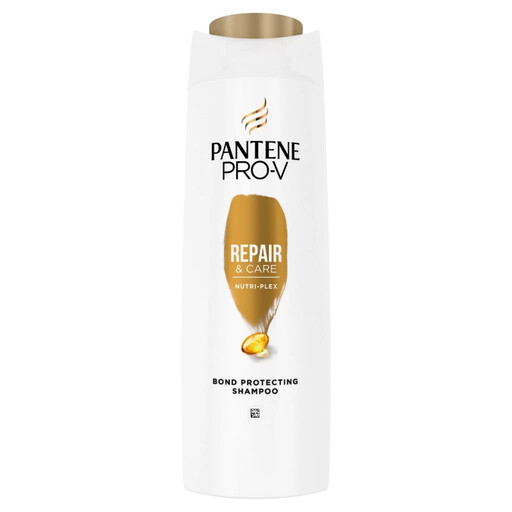
Why This Fits Their Persona: Ideal for those seeking a reliable and affordable solution for everyday hair damage from blow-drying or brushing. It provides solid foundational care to improve hair's resilience.
The formula is free of silicones, paraffins, and dyes, focusing instead on the Pro-V Nutrient Complex. It doesn't promise miracles, but a gradual restoration of hair's strength.
Strengthens hair from within and helps prevent the formation of split ends. According to the manufacturer, the bottle is made from 100% recycled plastic (excluding the cap & dyes).
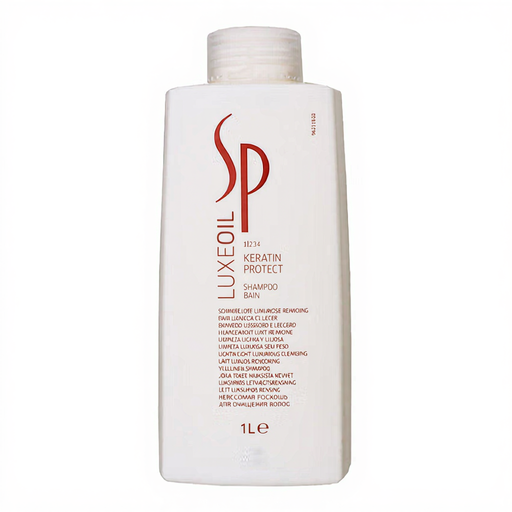
Why This Fits Their Persona: Suitable for individuals with coloured or chemically treated hair who are looking for professional-quality care at home and are willing to invest in high-end ingredients.
This shampoo relies on a proven combination of liquid keratin and a rich blend of argan, jojoba, and almond oils. The focus is on deep, structural repair rather than superficial effects.
Rebuilds the hair structure with hydrolysed keratin and provides intense moisture. Ideal for restoring softness and shine to dry, damaged hair.
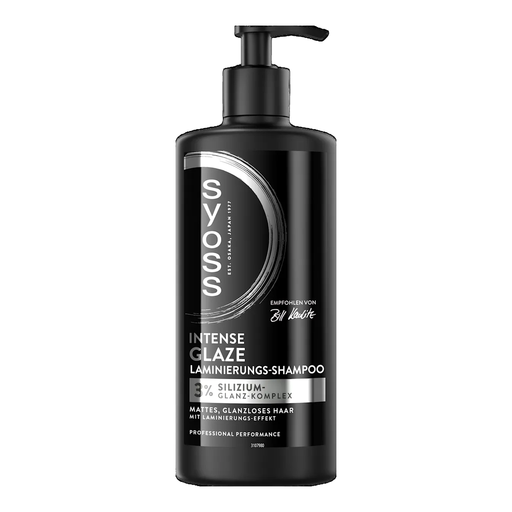
Why This Fits Their Persona: Designed for those with severely damaged, brittle hair weakened by intensive treatments like bleaching or frequent heat styling, who need targeted repair at a molecular level.
Instead of vague repair claims, this product names its core technology: a Plex Bond Complex that aims to rebuild broken hair bonds. This is a specific and modern approach to hair repair.
The formula with a 4% Plex Bond Complex is designed to strengthen the hair structure from within. According to the manufacturer, 88% of the ingredients are of natural origin (including water).
We have compiled a complete, real-time list of products that fully satisfy these strict selection criteria and UK safety regulations.
The frequency of use depends on your hair type and the extent of the damage. For very dry and stressed hair, washing only two to three times a week may be sufficient to avoid stripping the scalp's natural oils. For hair prone to greasiness, more frequent washing might be necessary. Observe how your hair responds to the care routine and adjust the frequency accordingly.
A keratin shampoo is particularly beneficial for porous, damaged, or chemically treated hair, as it helps to smooth the roughened hair structure. However, for very fine hair that naturally has a closed cuticle, an excessive build-up of protein can make the hair stiff and brittle. In this case, it's important to alternate such a shampoo with a purely moisturising one to ensure a balanced care routine.
A repairing shampoo is primarily a cleansing product that also contains conditioning and restorative ingredients that adhere to the hair during washing. A hair mask or treatment, on the other hand, is an intensive treatment with a much higher concentration of nourishing ingredients. It is applied after washing and requires a longer leave-in time (typically 5 to 20 minutes) to penetrate deep into the hair structure. For comprehensive care for damaged hair, the combined use of both products is ideal.