
Lieferung heute & morgen

Qualitätsgarantie

Willkommens-Angebote freischalten: KOSTENLOSE Lieferung | Bis zu 80 % RABATT | Kostenlose 30-Tage-JoyPlus-Testphase
App herunterladen
Stressed, dry, or brittle hair is a widespread problem. The shelves are filled with products promising instant repair and a silky shine. Yet, well-intentioned purchases often fail to deliver the desired results because the product choice is based on marketing promises rather than informed criteria. Before you make a decision, it's helpful to know some common pitfalls that can lead to disappointment and unnecessary expense.
To find the right product, a look at the ingredient list and the basic composition of the shampoo is essential. Three parameters are of particular importance.
Surfactants are responsible for the cleansing action of a shampoo. They dissolve oil and dirt from the hair and scalp. However, their intensity has a major impact on the condition of your hair after washing.
Once the cleansing base is established, the active conditioning ingredients come into play. These should be specifically tailored to the hair problem.
Special formulations are beneficial for certain user groups. A shampoo for colour-treated hair often contains a UV filter and milder surfactants to slow down colour fading. Those who consciously want to avoid certain substances will find a wide range of products today without silicones, parabens, or sulphates.
Based on the criteria mentioned, we have compiled a selection of products for different requirement profiles.
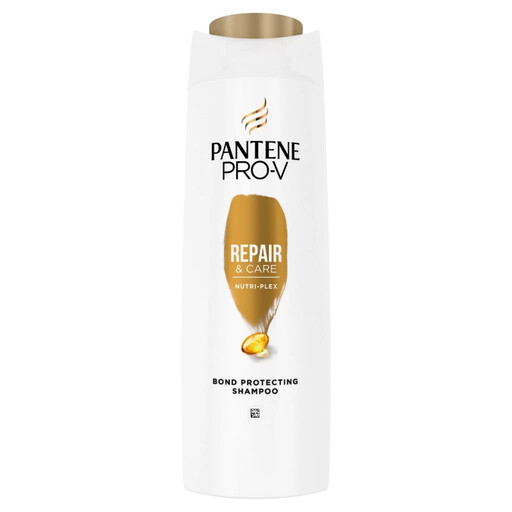
Why This Fits Their Persona: Ideal for individuals whose hair has lost its smoothness and shine due to daily styling, heat, or environmental factors. The formula aims to restore the hair's resilience.
This shampoo is free from silicones, paraffins, and colourants, thereby avoiding the "build-up" trap. Instead, it relies on a nutrient complex to strengthen the hair from within.
The formula with the Pro-V nutrient complex specifically targets signs of hair damage and helps prevent split ends. According to the manufacturer, the bottle is made of 100% recycled plastic (excluding the cap).
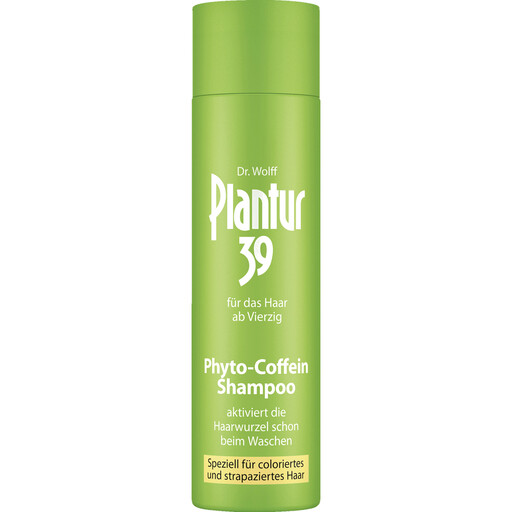
Why This Fits Their Persona: Specifically for women over 40 with colour-treated or stressed hair who want to prevent hormonal hair loss. It combines colour protection with activation of the hair roots.
Instead of a generic "repair" formula, this product offers a targeted dual strategy: the Phyto-Caffeine Complex addresses the hair root, while conditioning agents like wheat protein support the stressed structure of coloured hair.
The formula was specially developed for the needs of colour-treated hair. According to the manufacturer, the caffeine can penetrate the hair follicle during washing (with a 2-minute application time).
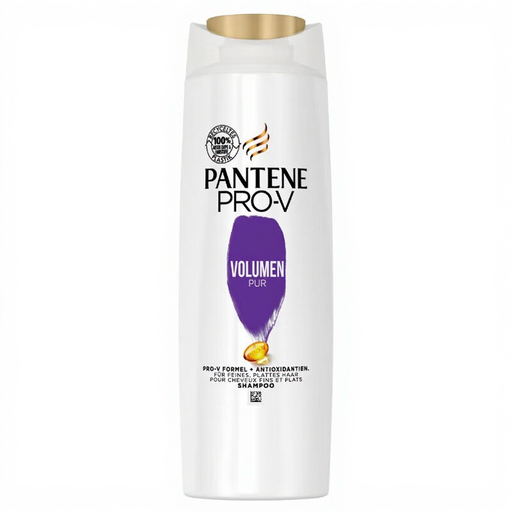
Why This Fits Their Persona: Suitable for individuals with fine, flat hair who desire more body and volume without weighing the hair down. The lightweight formula gently cleanses and strengthens the hair structure.
This shampoo is free of silicones, mineral oils, and colourants. It avoids heavy residues that often leave fine hair looking flat and lifeless, focusing instead on weightless strengthening.
The formula is specially designed to protect hair bonds and fortify the hair. The result is visibly more volume and a healthy-looking shine, without drying the hair out.
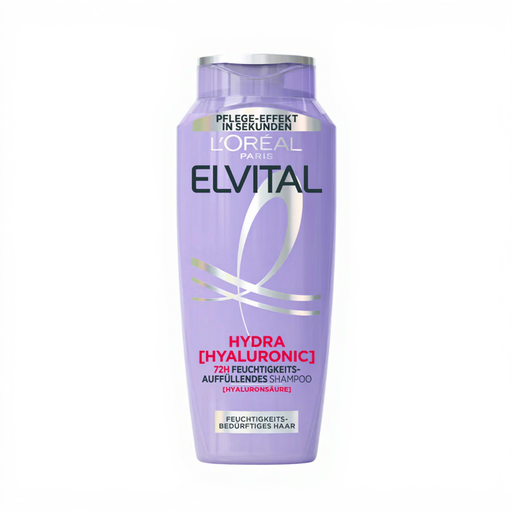
Why This Fits Their Persona: Perfect for those with dehydrated, dull hair that needs an intense moisture boost without being weighed down. It is suitable for daily use to keep hair supple and vibrant.
Instead of relying on heavy oils that can make hair look stringy, this shampoo uses the moisture-binding properties of hyaluronic acid. It avoids the trap of equating "moisture" with "heavy conditioning."
According to the manufacturer, the formula provides hair with moisture for up to 72 hours. Hair feels plump and supple without losing volume or bounce.
We've compiled a full, up-to-date list of products that fully meet these strict selection criteria and UK regulations.
1. How often should you use a shampoo for damaged hair? The frequency depends on your hair type and the level of damage. For very dry and damaged hair, it can be beneficial to reduce washing to 2-3 times a week to preserve the scalp's natural oils. If you use a mild, moisturising shampoo, daily use is also possible, especially for fine hair that quickly loses volume.
2. Does a caffeine shampoo really make a difference for hair loss? Caffeine is a well-known stimulating ingredient. In shampoos, it is used to reach and activate the hair roots during washing. Manufacturers like Plantur state that the active ingredient can penetrate the hair follicle with an application time of two minutes. It should be understood as a cosmetic measure to support the hair roots, not as a medical cure for disease-related hair loss.
3. What is the advantage of a shampoo without silicones? The main advantage of a silicone-free shampoo is that it minimises the risk of a "build-up" effect. Certain silicones are not water-soluble and can accumulate on the hair over time, weighing it down and making it look dull. Silicone-free formulas are therefore particularly suitable for fine hair that loses volume quickly, or for people who prefer a lighter, more natural hair care routine.