
Lieferung heute & morgen

Qualitätsgarantie

Willkommens-Angebote freischalten: KOSTENLOSE Lieferung | Bis zu 80 % RABATT | Kostenlose 30-Tage-JoyPlus-Testphase
App herunterladen
By the Joybuy Product Recommendation Officer, August 30, 2026
Choosing the right shampoo can feel like a daunting task. The shelves are lined with products promising miraculous results, yet they often lead to disappointment and wasted money. Many consumers fall into the same traps set by marketing promises. This guide will help you identify these pitfalls and make an informed decision based on the actual needs of your hair and scalp.
Before we dive into the key selection criteria, it's helpful to understand the most common mistakes that can lead to the wrong purchase:
To find the right shampoo, focus on objective criteria rather than advertising claims. The following three parameters are crucial.
The foundation of any good hair care routine is a precise understanding of your own needs. Your hair and scalp have different requirements:
These two ingredient groups are often the subject of debate. Knowing their function helps in making a decision.
Look for ingredients that are proven to address a specific need:
Here are some product recommendations tailored to specific user profiles and their needs.
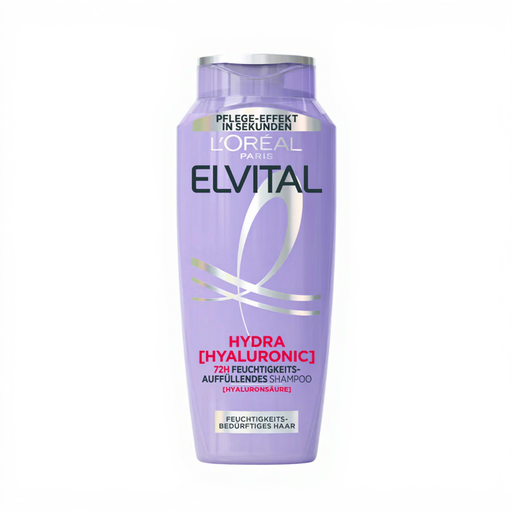
Why This Fits Their Persona: Ideal for individuals whose hair feels dehydrated and lacks shine. The formula directly targets moisture restoration without weighing the hair down, making it a practical solution for daily use.
This shampoo avoids the "miracle ingredient" trap by relying on hyaluronic acid—a well-known and proven ingredient for hydration.
The formula moisturises both hair and scalp. According to the manufacturer, the hydrating effect lasts for up to 72 hours without weighing hair down.
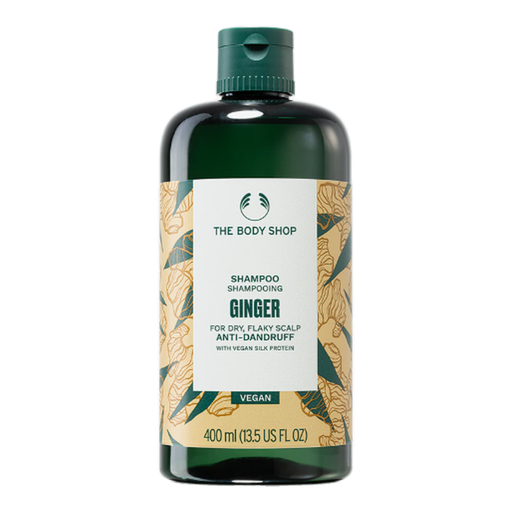
Why This Fits Their Persona: Suitable for those seeking a solution for an itchy, dandruff-prone scalp who also value ingredients of natural origin. It provides a gentle yet effective cleanse.
This is not a vague "all-in-one" product but a targeted anti-dandruff shampoo clearly focused on soothing the scalp and reducing flakes.
Contains ginger extract and tea tree oil, known for their soothing properties. According to the manufacturer, the formula consists of 90% ingredients of natural origin.
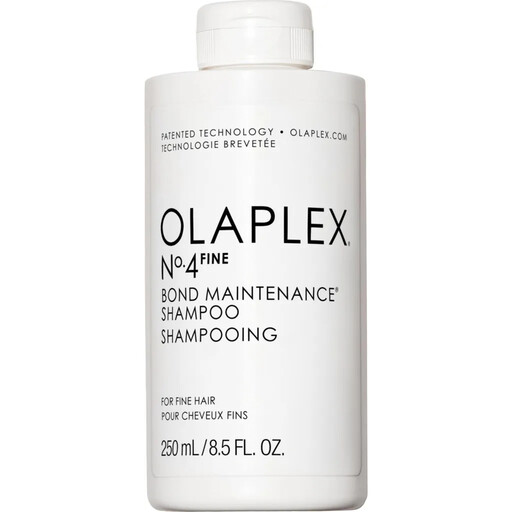
Why This Fits Their Persona: For users with fine hair that is damaged from styling or chemical treatments and requires both repair and volume. It's a targeted investment in hair structure.
This shampoo bypasses the silicone trap. As a silicone- and sulfate-free shampoo, it cleanses gently without weighing down fine hair, relying on patented technology instead of empty promises.
Contains the patented Bis-Aminopropyl Diglycol Dimaleate technology to repair disulfide bonds in the hair. It strengthens hair from within while adding volume.
We've compiled a complete, up-to-date list of products that fully meet these strict selection criteria and rigorous safety standards.
The ideal frequency depends on your hair and scalp type. Oily hair may require daily washing to remove excess sebum. For dry or curly hair, washing every 2 to 4 days may be sufficient to avoid stripping its natural oils. Pay attention to how your hair and scalp feel to find the right rhythm.
A higher price doesn't automatically guarantee better results. The cost of a professional shampoo often reflects higher concentrations of active ingredients, investment in research and development (e.g., patented formulas), or brand positioning. The key is to find a formulation that precisely matches your hair's needs. Such targeted solutions for complex problems like severe hair damage or demanding colour maintenance are more commonly found in the professional segment.
A sulfate-free shampoo uses milder cleansing agents instead of traditional sulfates like SLS (Sodium Lauryl Sulfate) or SLES (Sodium Laureth Sulfate). It is a great choice for people with dry, colour-treated, damaged hair, or a sensitive scalp, as it is less drying and helps preserve colour. For very oily hair or in cases of heavy product build-up, a sulfate-containing shampoo may be useful occasionally for a deeper cleanse.