
Lieferung heute & morgen

Qualitätsgarantie

Willkommens-Angebote freischalten: KOSTENLOSE Lieferung | Bis zu 80 % RABATT | Kostenlose 30-Tage-JoyPlus-Testphase
App herunterladen
By Joybuy Product Recommendation Officer, August 30, 2026
It's a familiar feeling: your hair is freshly washed, yet after just a short time, your roots start to look stringy and unkempt. The search for an effective shampoo for oily hair can be frustrating, as the market is flooded with products that promise a quick fix. However, not all of them deliver, and some well-intentioned purchases can even worsen the problem. Before you buy another bottle that fails to deliver the desired results, you should understand the most common pitfalls:
To find a product that creates a sustainable balance instead of just masking the problem short-term, you should focus on three core parameters.
Surfactants are the active cleansing agents in a shampoo. While strong sulphates like Sodium Lauryl Sulfate (SLS) are very effective cleansers, they can be too aggressive for a sensitive scalp or one prone to overproduction. Milder surfactants, such as sugar-based surfactants (e.g., Coco-Glucoside) or amino acid-based alternatives, cleanse thoroughly without disrupting the scalp's natural acid mantle. A good Oil Control Shampoo cleans effectively but gently.
An effective shampoo for greasy roots works not just on the hair, but primarily on the scalp. Look for ingredients known for their regulating properties:
Pay attention to the overall formulation. A good anti-oilyness shampoo should be lightweight and leave no heavy residue. Avoid products with a high concentration of non-water-soluble silicones (e.g., Dimethicone), especially if you have fine hair. These can accumulate ("build-up") and make hair look flat and stringy. A deep cleansing shampoo can be useful occasionally to remove such residues, but it should not be used for daily washing on an oily scalp.
Choosing the right shampoo depends heavily on individual needs and habits. Here are some recommendations tailored to different user profiles.
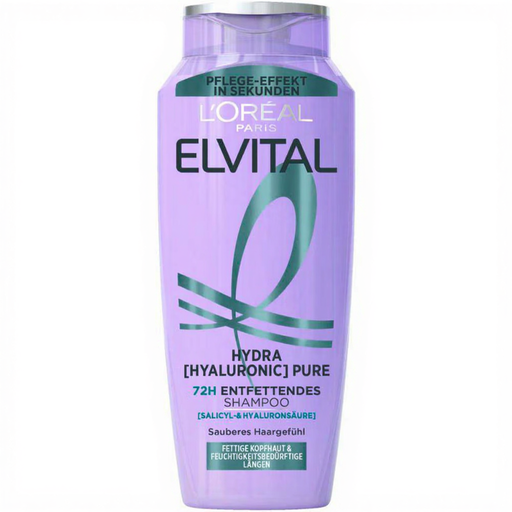
Why This Fits Their Persona: Ideal for those who need to wash their hair frequently but want to avoid over-stripping. The formula aims to balance a thorough cleanse at the roots with hydration for the lengths.
It combines a cleansing active (Salicylic Acid) with a hydrating one (Hyaluronic Acid), countering the pitfall of harsh cleansing that can lead to dryness and rebound sebum production.
Features Salicylic Acid to clarify the scalp and Hyaluronic Acid to hydrate the lengths—a dual-action approach.
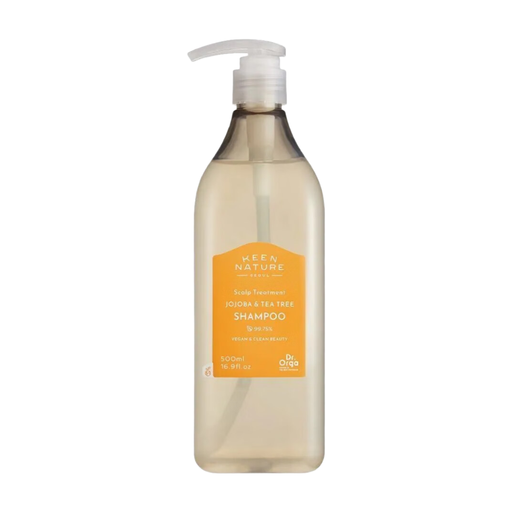
Why This Fits Their Persona: Perfect for users whose main concern is an unbalanced, irritated, or itchy scalp that overproduces oil. The focus is on restoring scalp health.
Instead of just stripping oil, it uses ingredients like Tea Tree Oil to address the scalp's condition and Jojoba Oil for non-greasy moisture. It treats the cause, not just the symptom.
The formula contains Tea Tree Oil (600ppm) and Jojoba Oil (200ppm), which aim to regulate sebum production and soothe the scalp.
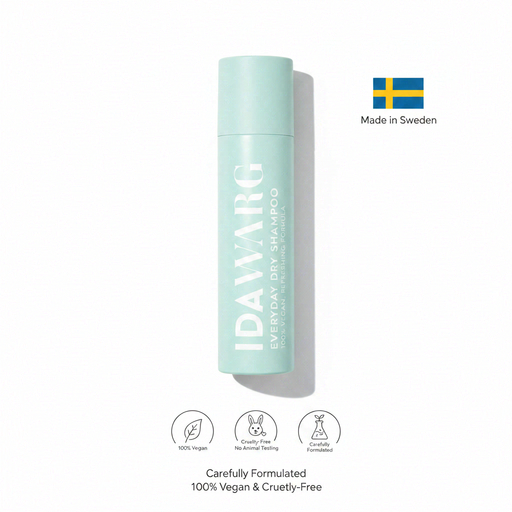
Why This Fits Their Persona: For busy individuals looking to extend time between washes, control oil on the go, and add a touch of volume to flat hair.
As a dry shampoo, it bypasses the cleansing and stripping cycle entirely. It physically absorbs oil, offering a temporary solution without interfering with the scalp's natural sebum production cycle.
Absorbs excess oil and adds volume without leaving a visible white residue. A practical solution for extending freshness between washes.
We've compiled a full, up-to-date list of products that meet these selection criteria.
The optimal frequency depends on your scalp's individual condition and the mildness of the shampoo you use. Daily washing with a gentle, balancing shampoo is generally not a problem. However, if you use a very strong cleansing shampoo, daily washing can stimulate sebum production. Observe your scalp: if it quickly feels oily again and becomes itchy, reducing the washing frequency or switching to a milder product might be beneficial.
Yes, this is a common problem. Shampoos designed to control oiliness are formulated to remove sebum from the scalp. Since the ends of your hair are naturally drier, they can lose additional moisture from the intensive cleansing. A practical tip: concentrate the anti-oilyness shampoo mainly on the scalp and roots. Only let the lather run through the lengths and ends as you rinse, and follow up with a lightweight, moisturising conditioner applied only to the lengths and ends.
An anti-oilyness shampoo is designed for regular, often daily, use to regulate sebum production and keep the scalp balanced. In contrast, a deep cleansing shampoo (also known as a clarifying shampoo) is intended for occasional use (e.g., once or twice a month). It has a stronger cleansing formula to remove stubborn residue from styling products, silicones, or hard water. However, using it too frequently can severely dry out the scalp.