iOS and Android testers
If you test iOS apps locally with Xcode and Android apps at the same workstation, your iOS workflow will determine which platform you need. Apple Developer explains how to use Xcode locally on a Mac.


For local iOS builds and testing with Xcode, you need a compatible Mac. If you only test Android apps, a compact Windows PC may also be suitable. Choose the RAM and storage capacity according to how many virtual devices you’ll use at once, and check the operating system, ports and what’s included with the specific configuration. Simulators don’t replace testing on real mobile devices.
If you test iOS apps locally with Xcode and Android apps at the same workstation, your iOS workflow will determine which platform you need. Apple Developer explains how to use Xcode locally on a Mac.
If you mainly test Android apps, choose the RAM and storage capacity to suit the number of virtual devices you use. Android Developers recommends 16 GB of RAM for a good emulator experience; running several virtual devices at once requires additional resources.
If several people share a desk with limited space, you’ll need to consider accessible ports, what’s included and separate user accounts, as well as the workstation’s footprint. Apple and Microsoft explain how to set up separate accounts on shared devices.
First, decide whether you’ll be running local iOS tests with Xcode. Then allow for the resources Android emulators need, and check how the computer and test devices will connect and be set up at your shared workstation.
| Buying priority | What to check before buying | Who it matters most to |
|---|---|---|
| Local iOS testing | Plan for a Mac and a compatible version of macOS to use Xcode; for hardware-specific checks, make sure you have real iOS devices. | If I need to build iOS apps locally and test them in the simulator, Mac compatibility is essential. Around 36% of consumers prioritise local iOS testing. |
| Android emulators | Decide how many virtual devices you’ll need at once, then check the RAM, SSD capacity and hardware acceleration available in the specific configuration. | If I need to run several Android emulators in parallel, I need enough resources for the testing I actually plan to do. Around 29% of consumers prioritise Android emulators. |
| Shared workstation | Check the case, accessible monitor and USB ports, and whether a keyboard, mouse and monitor are included, against the available desk space; plan for separate user accounts. | If different people use the same desk with limited space, devices need to be within reach and work environments kept separate. Around 21% of consumers prioritise space and shared use. |
| Real mobile devices | Check how many devices you have and which ports are available; for Android testing, allow for ADB and the required USB or Wi-Fi setup. | If I need to test device-dependent features, I need to plan for real mobile devices and how they’ll connect to the computer. Around 14% of consumers prioritise real test devices. |
Google recommends 16 GB of RAM for a good Android emulator experience and around 4 GB of extra RAM for each AVD running at the same time. Actual requirements may vary. Apple points out that simulators can’t fully replicate the performance and features of physical devices.
Until you decide how many virtual devices will run at once, you can’t sensibly match the RAM and storage capacity to the testing you plan to do.
First, work out how many emulators you expect to run in parallel. Then compare the full RAM and SSD configuration.
Running several virtual devices may require additional RAM and storage.
Simulators can’t fully replicate device-specific features. Google recommends testing on a real Android device before release.
For device-dependent features, plan to use real mobile devices and make sure you have a suitable way to connect them to the testing computer.
Real test devices and their connections need to be set up and managed separately.
ASUS lists NUC 15 Pro kit versions without a pre-installed operating system. Depending on the version, components such as RAM may also be missing; what’s included and the configuration will vary.
Check the specific model to see which operating system and components are included, and what you’ll need to set up yourself.
A kit may require extra set-up, as well as sourcing an operating system, RAM or an SSD.
Mac mini desktops are worth considering for compact workstations that will be used for local Xcode and iOS simulator testing.
ThinkCentre Tiny desktops are a compact option for business testing workstations focused on Android.
Pro Micro desktops offer configurable options for compact Windows testing workstations.
NUC 15 Pro mini PCs and kits are aimed at buyers who want to choose between a ready-made configuration and adding their own components.
Elite Mini business PCs are designed for small, predominantly Windows-based workstations.
This selection includes a Mac mini for local iOS workflows and compact mini PCs with stated memory and connectivity specifications that may help when planning Android-focused testing.
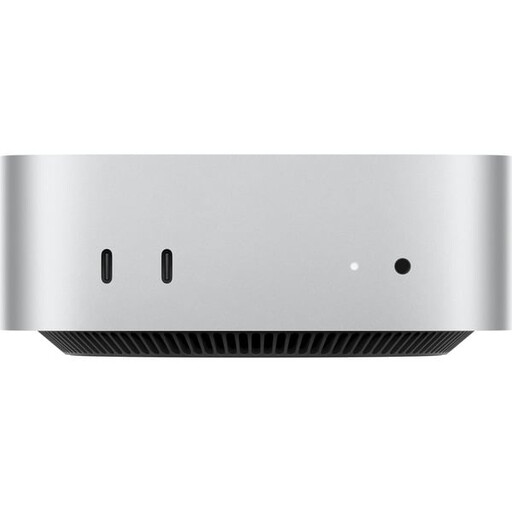 No image available
The Mac platform is a good fit if local iOS testing with Xcode is part of your workflow.
24 GB of unified memory and a 1 TB SSD.
Check that the specific macOS and Xcode versions are compatible with your project; you’ll still need real devices for device-specific checks.
 No image available
The stated memory specification is one factor to consider if Android emulators will be part of your testing workstation.
16 GB RAM, 512 GB SSD, two M.2 slots and support for three displays, according to the product name.
Google recommends 16 GB of RAM for a good Android emulator experience. Also check the operating system and hardware acceleration in the specific configuration.
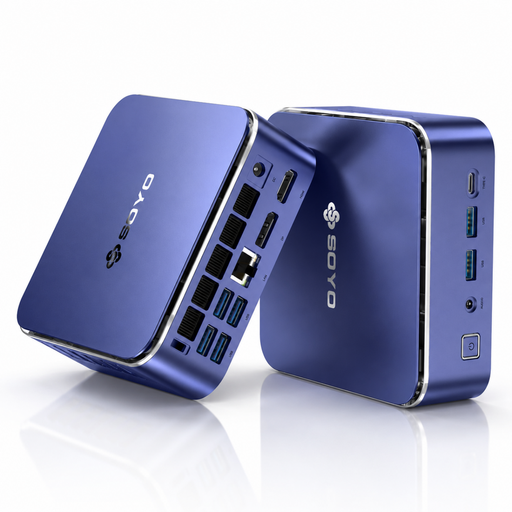 No image available
For Android-focused testing, the stated RAM and number of ports can help you plan your testing workstation.
16 GB LPDDR5, 512 GB NVMe SSD, Windows 11 Pro and six USB 3.0 ports, according to the product name and specifications.
Google recommends 16 GB of RAM for a good Android emulator experience. Check that the ports meet the needs of the test devices you’ll be connecting.
 No image available
The stated memory capacity is worth considering when planning an Android-focused testing workstation.
24 GB LPDDR5, 512 GB PCIe 4.0 SSD, USB 4.0 and HDMI 2.1, according to the product name.
Before buying, check that the operating system, available ports and hardware acceleration are suitable for the emulators and devices you plan to use.
 No image available
Its compact size may suit a workstation with limited desk space; check that its resources are sufficient for the testing you plan to do.
12 GB RAM, 256 GB SSD, plus HDMI and DisplayPort outputs, according to the product name.
Google recommends 16 GB of RAM for a good Android emulator experience. The stated 12 GB is below this; compare it with the number of virtual devices you plan to run.
No. For the local Xcode workflow described here, using the iOS simulator or a device paired with a Mac, you need a compatible Mac. Before buying, check which versions of Xcode and macOS your project requires.
It depends on how many virtual devices you’ll run at once. Android Developers recommends 16 GB of RAM for a good emulator experience and around 4 GB of extra RAM for each AVD running at the same time. Actual requirements may vary.
Google explains how to test and debug using ADB over USB or Wi-Fi. Depending on how you connect, you may need to enable Developer options and USB debugging, or set up a wireless connection. On Windows, you may also need a compatible USB driver.
Set up separate operating system accounts for people who take turns using it. Apple and Microsoft explain how to create separate accounts on shared devices; also decide who will manage the test devices, login details and installed simulators.