Audiobook listeners who want to be considerate of others
If someone else in the room needs peace and quiet, clear dialogue at a moderate volume and how much sound actually reaches the other bed are key. Headphones alone can’t guarantee silence.


Start by considering your audio source and listening position. If you’re listening to an audiobook from a Bluetooth-enabled device, flat Bluetooth in-ear headphones designed for sleeping may suit you if you lie on your side; closed-back Bluetooth over-ear headphones may also work if you sit upright. If you have a radio without compatible Bluetooth audio output, a wireless headphone system with a base station is only suitable if its input matches the radio’s audio output. Then check the fit, how clear speech sounds at a moderate volume, and whether any sound can be heard from the other bed.
If someone else in the room needs peace and quiet, clear dialogue at a moderate volume and how much sound actually reaches the other bed are key. Headphones alone can’t guarantee silence.
If you listen lying on your side, the design and fit need to work for your ears and pillow. Flat sleep earbuds are designed for lying down, but pressure and fit will vary from person to person.
Check the radio’s actual audio output against the input on a wireless headphone base station. A Bluetooth headphone won’t automatically receive audio from a radio.
First, check how the audio from your audiobook will reach your headphones. Then choose a design that suits your usual sleeping position, and test the volume and speech clarity in your shared room.
| Buying priority | What to check | Who it matters most to |
|---|---|---|
| Not disturbing the other person | Listen to a typical scene in your usual position at a moderate volume, and check whether any sound reaches the other bed. | If I listen in a shared room, I want the other person to hear as little as possible; around 31% of consumers put being considerate of the other person first. |
| Comfort when lying down | Check the fit and pressure on your ear and pillow in your usual sleeping position; see how comfortable they remain over a typical listening session. | When I listen lying on my side, I need a fit that doesn’t press against the pillow; around 25% of consumers prioritise comfort when lying down. |
| Connecting to a radio | Check whether your device can output Bluetooth audio or has a compatible 3.5 mm or optical audio output. | If I listen to audiobooks from my existing radio, the connection needs to work with the headphone system; around 25% of consumers put connecting to the audio source first. |
| Understanding dialogue at a moderate volume | Test a familiar scene at your usual volume and check the fit and seal; ANC alone doesn’t guarantee a particular level of speech clarity. | If the dialogue is quiet or varies in volume, I want to understand the voices without simply turning the sound up; around 19% of consumers prioritise clarity. |
A wireless headphone system with a base station will only work through a connection that the actual audio source provides as an output. The fact that the base station has an input doesn’t mean your radio has a compatible output.
First, check the specific radio and compare its audio output with the input on the system you’re considering. Only consider Bluetooth audio if your device can actually output it.
For the Sleep A20, soundcore recommends Bluetooth mode for audio from third-party apps. In sleep mode, the audio may instead play through your phone.
Before buying, check playback from your external app and select the right mode before you start listening.
Noise cancelling doesn’t guarantee that every voice will be easy to understand or that no sound will reach the next bed. The World Health Organization notes that volume and listening time both affect the strain on your hearing.
Test a typical dialogue scene and check how much sound can be heard in the room at a moderate volume.
Manufacturer battery-life figures for the Sony WH-CH720N and JBL Live 770NC are based on different noise-cancelling settings. Maximum figures are therefore only useful when compared in the relevant operating mode.
Compare figures for the same settings and plan charging intervals around your actual listening habits.
The brands featured here represent different connection options and designs. These notes relate to the specific models mentioned and don’t indicate the availability or suitability of other products from the same brand.
The Sleep A20 are flat Bluetooth sleep earbuds for listeners who don’t want a headband pressing against their pillow.
The SHD6000BK/12 is a wireless headphone system with a base station for compatible analogue or optical audio outputs.
The RS 175-U is another base-station option for compatible analogue or optical audio outputs.
The WH-CH720N are closed-back Bluetooth over-ear headphones for use with a Bluetooth-enabled audio device.
The Live 770NC are Bluetooth over-ear headphones with noise cancelling and an ambient sound mode for compatible digital audio devices.
This selection includes wireless Bluetooth headphones and earphones for listening to audiobooks from a Bluetooth-enabled audio device. Before buying, check that the design and fit suit your listening position; these products aren’t confirmed as suitable for direct connection to a radio without Bluetooth output.
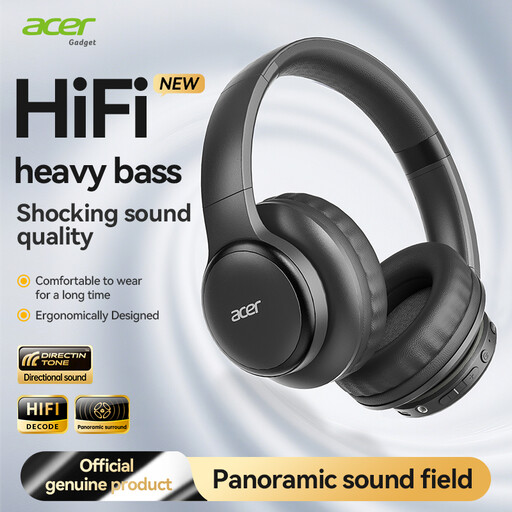 No image available
If you want to hear sounds around you, the stated open-ear design is worth considering; check how much sound can be heard elsewhere in the room for yourself.
Bluetooth 5.3, a foldable design and a low-latency mode are listed in the product title.
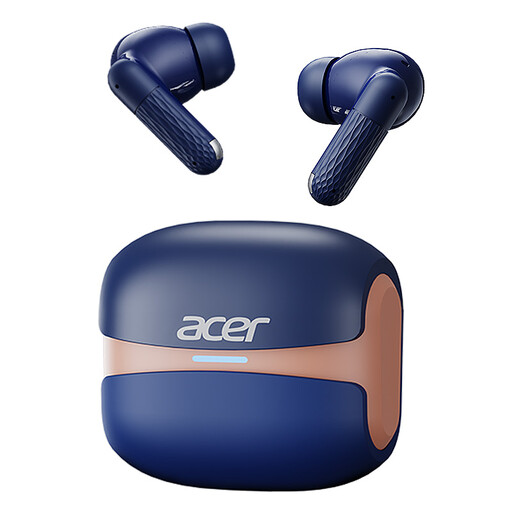 No image available
If you don’t want a headband, the in-ear design mentioned in the name is worth considering; check how they fit when you’re lying down.
Bluetooth 5.4, touch controls and a Type-C charging case are listed in the product title.
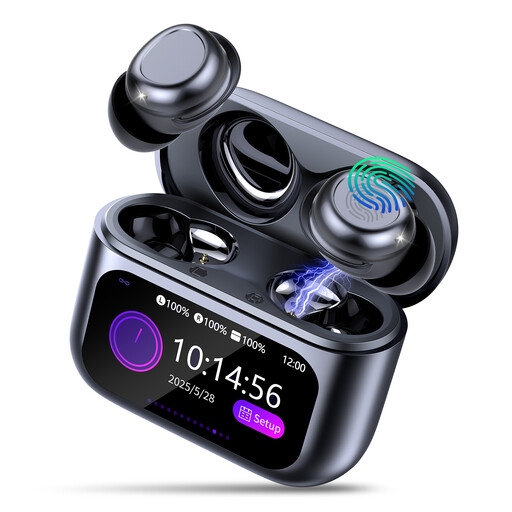 No image available
The product title describes these earphones as suitable for side sleepers; still, check that they fit comfortably with your ears and pillow.
Bluetooth and five EQ modes are listed in the product title or description.
 No image available
This in-ear model may suit you if you have a Bluetooth-enabled audio device; check that the stated device compatibility matches your audio source.
Bluetooth and compatibility with iOS and Android are listed in the product title or description.
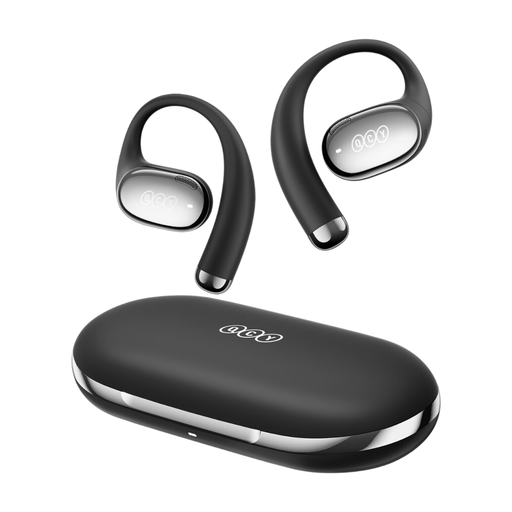 No image available
If you want to hear sounds around you, the stated open-ear design is worth considering; check the fit and how much sound carries in your shared room.
Bluetooth, touch controls and a microphone are listed in the product description.
Only if the radio can output audio over a compatible Bluetooth connection. Otherwise, check its audio output: according to the manufacturers, the base stations for the Philips SHD6000BK/12 and Sennheiser RS 175-U are designed for compatible analogue or optical connections. A connection on the base station doesn’t mean your radio has the right output.
soundcore recommends using Bluetooth mode on the Sleep A20 for audio from third-party apps. Then check your phone’s audio output before turning up the volume.
Try them in your usual sleeping position and check how they fit, and whether they press against your ear or pillow. A design described as suitable for sleep or side sleepers isn’t guaranteed to fit everyone.
The World Health Organization recommends keeping the volume low and taking your sound exposure into account when listening for longer periods. Without measuring the sound at your ear, its guidance can’t be converted into a safe percentage setting on the volume control of a particular pair of headphones.
Consumers who buy online generally have a statutory 14-day right to cancel from the day they receive the goods; exceptions and the specific terms of the contract should be taken into account. The consumer advice centre notes that you must notify the retailer if you wish to cancel. The right to cancel is separate from your statutory rights if goods are faulty and from any voluntary manufacturer’s guarantee.