Considerate listeners
If you listen to interviews while someone else is resting in the room, consider both sound leakage and the volume you need. Audio-Technica highlights low sound leakage as an important feature when other people are nearby.


For longer interviews while sitting or leaning back, closed-back over-ear headphones are a sensible starting point. If you listen lying on your side, flat Bluetooth sleep earbuds may be a better option. ANC can reduce certain steady background noises for you, but it won’t reliably block voices or automatically stop the other person from hearing your interview. Check the fit, volume and sound leakage where you actually sleep.
If you listen to interviews while someone else is resting in the room, consider both sound leakage and the volume you need. Audio-Technica highlights low sound leakage as an important feature when other people are nearby.
If you listen in bed while lying on your side, look for a design that puts as little pressure on your ear against the pillow as possible and plays interviews over Bluetooth. soundcore describes the Sleep A20 as designed for side sleeping, but the fit still comes down to the individual.
If you listen to longer conversations, look for a comfortable fit and clear speech at a moderate volume. ANC may help with other sounds in the room, but Sony notes that it has limitations with changing sounds such as voices.
In a shared bedroom, the main considerations are being considerate of the other person, avoiding pressure when lying down, hearing voices clearly and keeping things simple to use.
| What matters to you | What to check before buying | Who will value this most? |
|---|---|---|
| Not disturbing someone else | Closed-back designs can reduce sound leakage, as Audio-Technica explains. At a low volume, check whether the interview can be heard from where the other person sleeps. | If I’m listening in the same room, I want to disturb the other person as little as possible, so I check the volume from their side of the bed. Around 36% of consumers say low sound leakage is their main priority. |
| Comfort when lying down | Try the headphones in your usual side-sleeping position. With earbuds, check that the tips fit properly. | If I’m listening on my side, I don’t want a headband or earbud pressing uncomfortably against the pillow. Around 29% of consumers put comfortable lying down top of their list. |
| Understanding interview voices | Listen to a speech recording at a moderate volume and check the seal and sound settings. According to Sony, ANC is less reliable at reducing changing voices than steady noises. | If I’m missing quiet or changing voices, I want to understand the recording without turning the volume up unnecessarily. Around 21% of consumers put speech clarity first. |
| Connecting and listening for longer | Check that Bluetooth and, if needed, multipoint work with your playback devices. Compare battery life figures only for the mode and noise-control setting you’ll actually use. | If I switch between playback devices or listen to long interviews, I want a reliable connection and enough battery life for how I use them. Around 14% of consumers prioritise connectivity and battery life. |
ANC reduces noise for the person wearing the headphones; sound leakage is a separate consideration. Sony also notes that ANC is less reliable at reducing changing voices than steady noises.
Look for a closed-back design, then check for sound leakage at a low volume from where the other person actually sleeps.
A comfortable fit when sitting upright doesn’t tell you whether a large ear cup will press against the pillow.
Try the model in your usual sleeping position. If you often sleep on your side, you could also consider flat Bluetooth sleep earbuds.
Battery life figures may be based on different playback and noise-control modes. For example, soundcore gives separate battery life figures for the Sleep A20 in sleep mode and Bluetooth mode.
If you stream interviews, check the figure for Bluetooth mode and compare battery life only under similar usage conditions.
The Sleep A20 and Sleep A30 are worth considering if you want sleep earbuds for listening while lying down.
The WH-1000XM6 and WF-1000XM5 offer over-ear and in-ear designs respectively, to suit different fit preferences.
The Tune 770NC is an over-ear option if you mostly listen sitting upright and want to switch between playback devices.
The MOMENTUM 4 Wireless is an over-ear option for longer interviews and customisable sound.
The 2nd Generation QuietComfort Ultra Headphones are an over-ear ANC option for mostly upright listening.
This selection includes closed-back over-ear headphones, compact in-ear models and low-profile Bluetooth earbuds described as suitable for side sleeping.
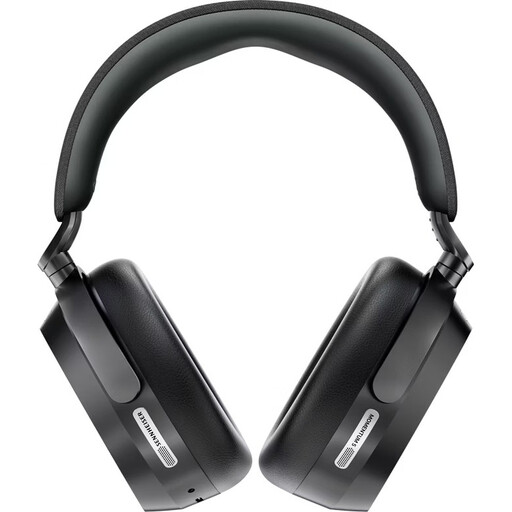 No image available
A closed-back over-ear design for listening mostly sitting upright or leaning back; the ear cup may press against the pillow if you lie on your side.
The product title lists ANC, Bluetooth 5.4 and up to 57 hours of battery life.
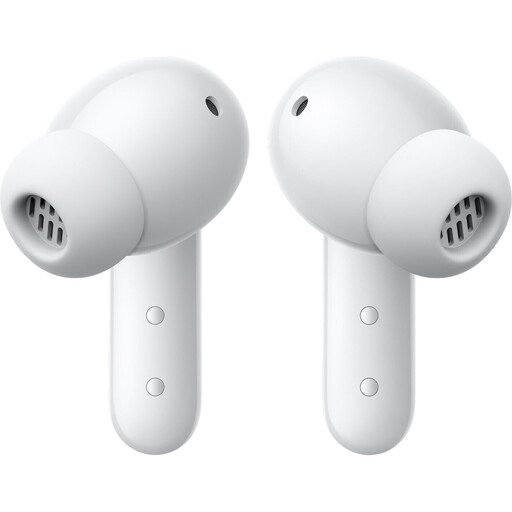 No image available
Compact in-ear headphones as an alternative to a headband; fit and pressure depend on your ears, so try them in the position you plan to listen in.
The product title lists ANC, Bluetooth 5.4 with LDAC, multipoint and up to 61.5 hours of total battery life.
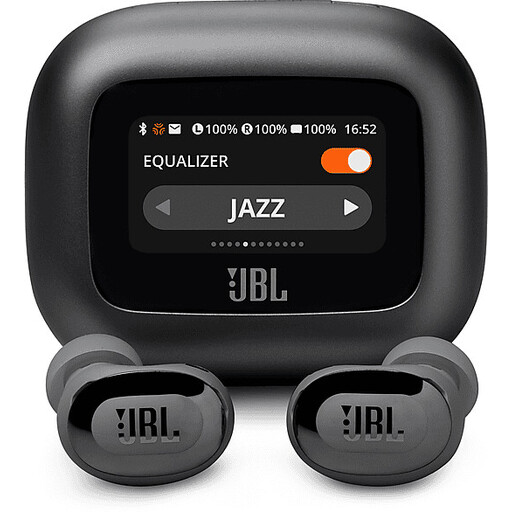 No image available
True wireless in-ear headphones offer a compact alternative to over-ear models; check the fit and whether they press against the pillow with your own ears.
The product title lists noise cancelling, wireless charging and a Smart Case.
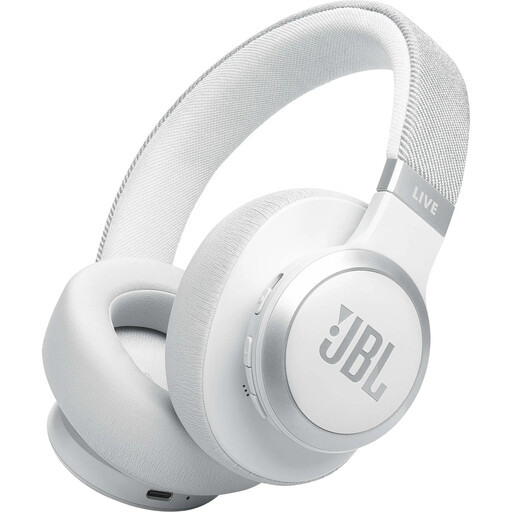 No image available
A wireless over-ear design for listening mostly sitting upright or leaning back; it isn’t automatically suitable for side sleeping.
The product title lists noise cancelling.
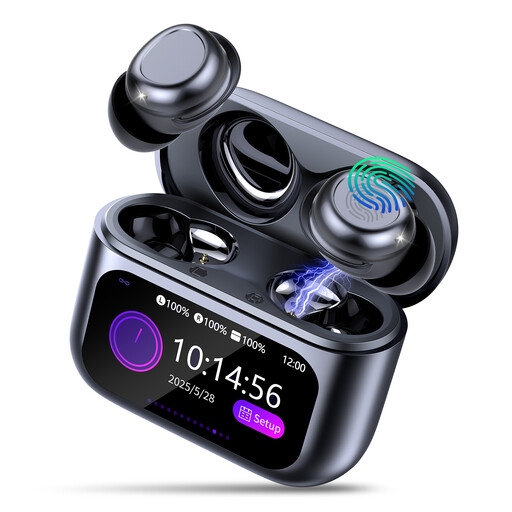 No image available
The low-profile design described in the product title may suit side sleeping; personal comfort depends on your ears and pillow position.
The title lists five EQ modes and ENC. This doesn’t tell you how much sound may reach the person in the next bed.
No, you shouldn’t rely on it to do that. Sony explains that ANC works best with steady noises and is less reliable at reducing changing sounds such as voices. Try it with the sounds you hear in your room.
Connect them to your Bluetooth playback device, then test the fit, controls and a speech recording at a low volume in your usual sleeping position. The manufacturer’s battery life figures for the soundcore Sleep A20 vary by operating mode; Bluetooth playback is the relevant one for streamed interviews.
Keep the volume low and take your total listening time into account. The World Health Organization gives the example of up to 40 hours a week at 80 dB and four hours at 90 dB. This is a recommendation, not evidence of the actual sound level produced by your headphones.
For eligible distance purchases, you generally have a 14-day right to cancel, subject to statutory exceptions. Your Europe, the European Union’s consumer portal, also states that goods are covered by a minimum two-year legal guarantee against defects from the date of receipt. This is separate from a voluntary manufacturer’s warranty.