Quiet listeners
If someone is sleeping next to you, your main concern is keeping as much podcast audio as possible from leaking out. RTINGS notes that open-back headphones can let more sound escape, particularly at higher volumes.


For podcasts in a shared bedroom, closed-back in-ear or over-ear headphones are a sensible place to start: RTINGS says open-back designs let considerably more sound escape. The key is whether the headphones fit snugly at your usual listening volume and whether the other person can hear what you’re listening to. ANC can reduce background noise, but it won’t reliably block out voices. If you want to stay aware of what’s going on, check for an ambient mode too.
If someone is sleeping next to you, your main concern is keeping as much podcast audio as possible from leaking out. RTINGS notes that open-back headphones can let more sound escape, particularly at higher volumes.
If you listen for longer periods or move between different lying positions, consider whether the in-ear tips feel comfortable or the ear cups and headband press against your pillow. You can’t tell how well a pair will fit just from its design.
If you want to hear conversations in the room, clear speech is only part of the picture. It’s also useful to have an easy-to-reach pause control and an ambient mode. Sony explains that voices can still be heard even with noise cancelling on.
Check sound leakage, fit, clarity and controls separately, rather than treating ANC alone as a measure of how suitable headphones are for a shared bedroom.
| Buying priority | What to check | Who it matters most to |
|---|---|---|
| Minimal sound leakage | Choose a closed-back design and, at your usual listening volume, check from where the other person is sleeping whether they can hear the podcast. | I want the person next to me to hear as little of the podcast as possible. Around 33% of consumers prioritise minimal sound leakage. |
| Fit when lying down | Try them in your usual listening position and for your usual session length. With in-ear headphones, check the different tip sizes; with over-ears, check the padding and clamping force. | When I listen in bed, I want my headphones to feel comfortable in my usual position. Around 27% of consumers prioritise a comfortable fit. |
| Clarity and staying aware | Try a familiar section of a podcast at a moderate volume and check how quickly you can access the pause control and ambient mode. | I want to understand speech over the sounds in the room and still notice when someone speaks to me. Around 27% of consumers put this need first. |
| Battery life and controls | Compare playback time per charge in your preferred mode, along with how easily you can pause and adjust the volume. | I want to control a longer listening session easily and stop playback quickly when needed. Around 13% of consumers prioritise battery life and controls. |
ANC is designed to reduce the noise you hear; it doesn’t tell you how much podcast audio escapes. Open-back designs can let more sound out.
Consider the design and sound leakage separately from ANC. Listen at your usual volume and check whether the audio can be heard from beside the bed.
With in-ear headphones, the total battery-life figure including the charging case can be very different from playback time per earbud charge. Apple says AirPods Pro 3 offer up to 8 hours per charge with ANC, and up to 24 hours including the case.
If you want to listen to a longer episode, compare playback time per charge in your preferred listening mode, not just the total time with the case.
The WHO highlights the link between listening volume and listening time. ANC also won’t reliably block out voices.
First, check the fit and listening mode. Keep the volume moderate and take breaks. The WHO gives an average of 80 dB for up to 40 hours a week as an example.
The WF-1000XM6 and WH-1000XM6 are closed-back in-ear and over-ear options, respectively.
AirPods Pro 3 are a compact in-ear option with ANC and Transparency mode.
The EAH-AZ100 is a closed-back true wireless in-ear option for anyone who wants to connect to multiple devices.
The Liberty 4 NC range offers another in-ear option, with ANC, settings and battery life to compare.
The MOMENTUM 4 Wireless is an over-ear alternative with adaptive ANC and Transparency mode.
This selection includes closed-back wireless in-ear and over-ear headphones for listening to podcasts in a shared bedroom. Compare the compact design with the potential pressure from ear cups and a headband when you’re lying down.
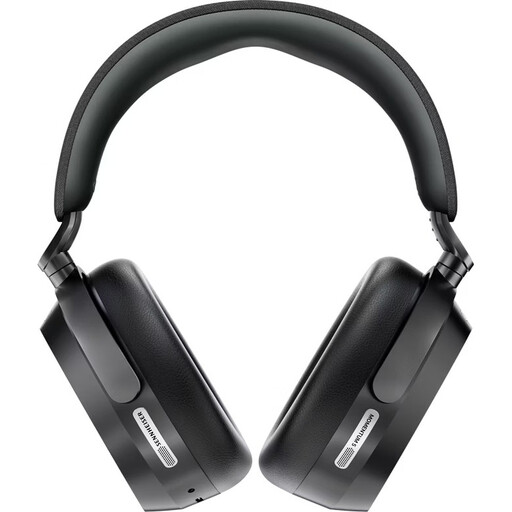 No image available
The closed-back over-ear design is worth considering if you’d rather not have an ear tip in your ear canal. The ear cups and headband may press against your pillow when you’re lying down.
With ANC and Transparency mode; up to 57 hours of battery life according to the product name.
Bluetooth 5.4; replaceable battery.
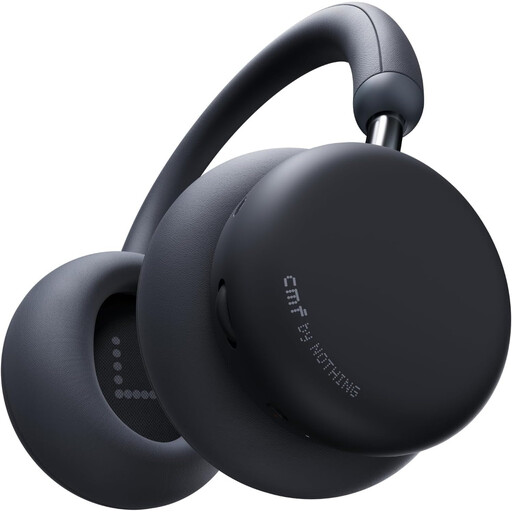 No image available
These closed-back wireless over-ear headphones are an option if you prefer ear cups to in-ears. Check whether they press against your pillow when you’re lying down.
With hybrid ANC and adaptive mode; up to 100 hours of battery life according to the product name.
Bluetooth 5.4, LDAC and connection to two devices.
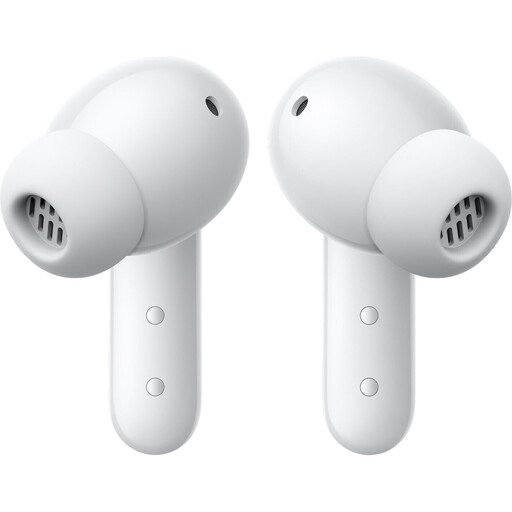 No image available
These closed-back in-ears mean you won’t have an over-ear headband. How comfortable they feel during longer listening sessions depends on the fit.
With ANC, Transparency mode and Multipoint; up to 61.5 hours of total playback according to the product name, including the case—not continuous earbud battery life.
Bluetooth 5.4 with LDAC; IP55.
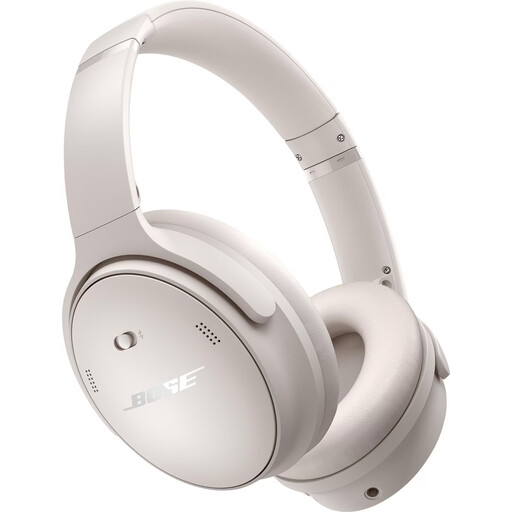 No image available
These wireless over-ear noise-cancelling headphones are worth considering if you prefer ear cups to in-ears. Try them in your usual listening position to check the fit.
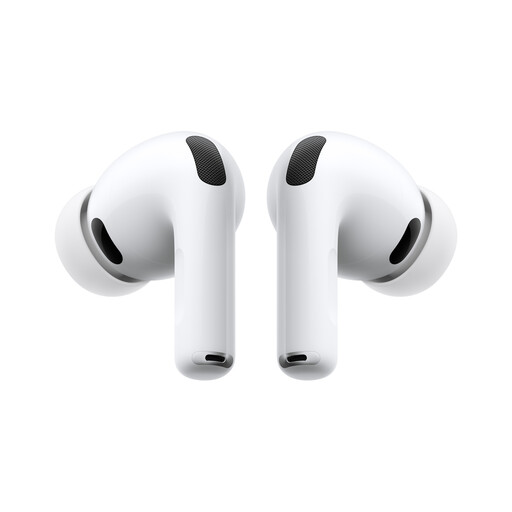 No image available
These in-ears are a compact option with ANC. Try the different tips to see whether they feel comfortable for your usual listening time.
Apple Germany lists five sizes of silicone ear tips and up to 8 hours of playback per charge with ANC.
With Transparency mode and controls directly on the earbuds.
No, you shouldn’t rely on it to do that. Sony explains that noise cancelling works better on low to mid-range sounds, and you may still hear someone speaking next to you. So, check the fit and how clearly you can hear your podcast at a moderate volume.
For in-ears, choose tips that fit comfortably and try the pause control, ANC and ambient mode before you start listening. At your usual volume, check whether the other person can hear the audio, and keep the volume moderate.
The WHO recommends considering listening volume and listening time together. As an example, it cites an average of 80 dB for up to 40 hours a week. A percentage shown on the volume slider isn’t a reliable dB measurement.
According to Verbraucherzentrale, online purchases generally come with a 14-day right to cancel, although exceptions and the terms of the specific purchase should be checked. If a newly purchased product is faulty, you generally have two years of statutory consumer rights against the seller. A voluntary guarantee is separate from these rights.