If there’s already a suitable monitor at the shared desk and space is limited, a mini PC could be a good fit. If there’s no monitor, compare an all-in-one with a mini PC and separate monitor. What matters is the specification and connections of the exact configuration, as well as separate user accounts for people who take turns planning. A larger case is only an advantage if the expansion options you need are actually available.
Who plans events at the shared desk?
A team with rotating planners
If several people use the same PC for documents and discussions, separate accounts can help by giving everyone their own settings and document areas. Microsoft Support explains this account feature for Windows; access to event files that everyone needs should also be managed separately.
A team with a small desk
If there’s little room between the screen, paperwork and peripherals, check whether a mini PC will work with your existing monitor. Lenovo and Acer list video connections for specific mini PC configurations; make sure they’re compatible with your monitor.
A team without a complete workstation
If you don’t have a monitor or peripherals, compare what comes with a mini PC against an all-in-one. HP lists an integrated 23.8-inch FHD display for the OmniStudio 24-cv0752ng; specifications like these apply to the particular configuration.
What should you look for when buying?
Mini PC with a separate monitor
A good fit if: you already have a compatible monitor or want to choose one separately, and desk space is limited.
Things to weigh up: you’ll need to add a monitor and, depending on the configuration, peripherals too. PC-WELT notes that mini PCs can be harder to upgrade; check the expansion options for the exact model.
All-in-one
A good fit if: you don’t have a monitor and want to buy the computer and screen as one workstation.
Things to weigh up: compare the size and specification of the integrated display with a separate monitor and mini PC.
Office desktop with a separate monitor
A good fit if: you have enough desk space and need specific connections or expansion options.
Things to weigh up: check that the exact configuration includes the connections and expansion options you want.
| Priority |
What to check before buying |
Who is this important for? |
| Separate workspaces |
Support for multiple user accounts; access to shared files |
If people take turns planning and need their own document areas, separate accounts should be a priority. Around 33% of consumers would name this as their top buying priority. |
| Desk space and monitor |
PC dimensions and video connection; compatibility with your existing screen |
If you want to keep paperwork and workspace clear on a small desk, pay particular attention to the PC’s form factor and whether you can continue using your monitor. Around 27% of consumers would prioritise limited desk space. |
| Planning several tasks at once |
Software requirements; memory, storage and the connections required for the configuration |
If you need to use spreadsheets, documents and communication tools at the same time, choose a specification that suits the programmes and devices you use. Around 20% of consumers would name multitasking as their top priority. |
| A complete workstation |
Check whether a monitor, operating system, keyboard, mouse and required cables are included |
If you don’t yet have a complete workstation, check what else you’ll need to get started. Around 20% of consumers would prioritise missing essentials. |
Which buying mistakes can you avoid?
-
Looking at the computer alone, rather than the complete workstation
A mini PC needs a separate monitor; some configurations don’t include a keyboard or mouse either. ASUS also lists one version of the ExpertCenter PN64 without a pre-installed operating system.
Before buying, make a list of the devices, cables and operating system you’ll need for each configuration, then check it against what’s actually included.
-
Confusing a shared desktop with separate user accounts
A single user account doesn’t keep personal settings and document areas separate in the same way as multiple accounts. Microsoft Support explains that Windows can have separate accounts for different users.
Set up the accounts you need, and decide separately who can access event files that are shared.
-
Assuming a larger case means more upgrade options
PC-WELT describes mini PCs as harder to upgrade. The available expansion options depend on the specific configuration.
Check the actual slots and drive options available on the exact model instead of choosing based on its form factor alone.
Brands to consider
Lenovo
The ThinkCentre Neo 50q Gen 5 is a mini PC for use with a separate monitor; the IdeaCentre AIO Gen 10 is an all-in-one alternative.
- Lenovo lists 24 GB RAM and a 512-GB SSD for the ThinkCentre configuration 13B9CTO1WWDE1.
- This ThinkCentre configuration doesn’t include a keyboard or mouse. Lenovo lists a 27-inch display for the IdeaCentre AIO Gen 10; specifications vary by configuration.
HP
The Pro Mini 400 G9 is a PC for use with a separate monitor; the OmniStudio 24 is an all-in-one alternative.
- HP lists Windows 11 Pro, 16 GB RAM and a 512-GB SSD for the Pro Mini 400 G9 CP9G3EA#ABD.
- HP lists an integrated 23.8-inch FHD display for the OmniStudio 24-cv0752ng. These details apply to the particular configuration.
Acer
The Veriton 2000 Mini is an office PC that requires a separate monitor.
- For the Veriton 2000 Mini VN2595GT, part DT.R50EG.003, Acer lists Windows 11 Pro, 16 GB RAM, a 512-GB SSD, HDMI and DisplayPort.
- These specifications describe the version listed and are not an independently measured assessment of its performance.
ASUS
The ExpertCenter PN64 is a mini PC whose exact configuration should be checked carefully before buying.
- The ASUS specifications page lists several memory and processor options.
- One listed version is supplied without a pre-installed operating system. ASUS also notes that specifications may vary by country.
GEEKOM
The A5 Pro is a compact desktop PC to compare with mini PCs in other form factors.
- COMPUTER BILD describes the tested version, with Ryzen 7530U, 16 GB RAM and 1 TB storage, as compact.
- COMPUTER BILD notes that the tested version doesn’t include a keyboard or mouse. Don’t assume the review or specification applies to offers with different configurations.
Suitable PCs at Joybuy
This selection includes mini PCs and desktop PCs for workstations with a separately connected monitor.
 No image available
SOYO Y5Pro Mini PC, Intel Core i5 8250U/8350U, 8 GB DDR4, 256 GB SATA SSD
This mini PC is a good fit if you have a separate monitor and limited desk space.
Windows 11 is listed. As a mini PC, it needs a separate monitor; check whether you’ll also need peripherals and cables.
View at Joybuy
 No image available
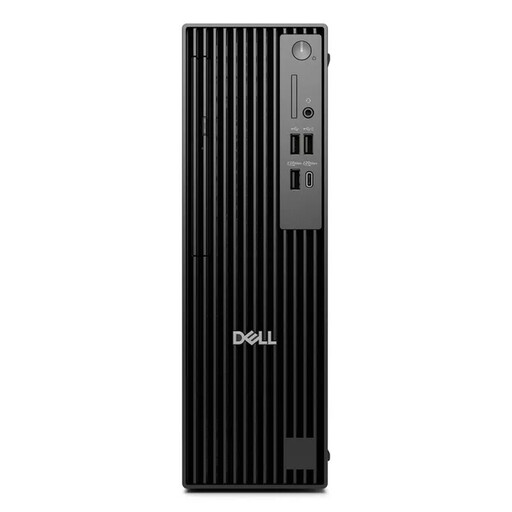
Dell Pro Plus SFF QBS1250 Slim, Intel Core Ultra 7 265
This desktop PC could suit you if you’ll use a separate display and its listed specification meets your planning needs.
This version lists 32 GB DDR5 RAM, a 512-GB NVMe SSD and Windows 11 Pro. You’ll need a separate monitor for the display.
View at Joybuy
 No image available
Lenovo ThinkStation P2 Tower Gen2, Intel Core Ultra 7 265
This tower is an option if you have enough desk space and its listed specification suits the programmes you use.
This version lists 32 GB DDR5 RAM, a 512-GB NVMe SSD, NVIDIA RTX A400 with 4 GB and Windows 11 Pro. You’ll need a separate monitor for the display.
View at Joybuy
 No image available
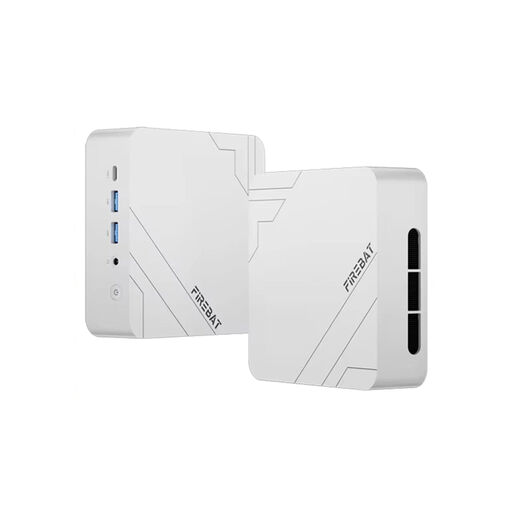
Firebat Mini PC F1 P, AMD Ryzen 7 H 255, 16 GB DDR5, 512 GB SSD
This mini PC is suited to a workstation where you can connect a separate monitor.
Windows 11 Pro is listed, along with Wi-Fi 6 and USB4.0. A separate monitor is required.
View at Joybuy
Frequently asked questions
How do you set up the PC for people who take turns helping?
Windows lets you create multiple user accounts, each with its own settings and document areas. Microsoft Support recommends setting up the accounts you need; also decide who can access shared event files.
Can you use a mini PC straight away without any other equipment?
Not necessarily: the Lenovo ThinkCentre configuration documented here doesn’t include a keyboard or mouse, and ASUS lists one PN64 version without a pre-installed operating system. Also check whether the specific offer includes a monitor, suitable cables and any other accessories you need.
What’s the difference between protection against faults and a manufacturer’s guarantee?
Your statutory rights for faulty goods are against the seller; a guarantee is an additional voluntary promise with its own terms. The Consumer Advice Centre makes this distinction clear. For movable goods, the standard limitation period under § 438 BGB is generally two years from delivery; the claims available in a particular case also depend on the contract and the buyer’s status.
Does data protection law require a particular PC for attendee lists?
The guidance cited doesn’t require a particular brand or form factor. If you’re responsible for processing personal event data, you must assess the safeguards and access rules appropriate to your situation. The Data Protection Conference’s guidance is aimed at providers of online services; separate PC accounts can help with organisation, but they don’t replace a full data protection assessment.


