What should you look for when buying?
First decide how much separate fridge space you actually need. Then compare the available space, freezer capacity and running costs.
The percentages refer to consumers choosing a fridge for a shared kitchen.
| Priority |
What to check when buying |
Who is it particularly important for? |
| Hygienic fridge space |
Room for separate, covered containers; temperature control and easy-to-reach shelves. |
If I store carrot sticks alongside other food in the shared-flat fridge, I need a clean, covered and designated space. Around 31% of consumers put hygiene first when choosing an appliance. |
| Fridge space and footprint |
Check fridge and freezer capacity separately; make sure the external dimensions, door hinge and clearance for opening the door suit the location. |
If several people need to store their own food, usable fridge space that fits the kitchen is important. Around 25% of consumers prioritise the space available. |
| Energy consumption |
Compare kWh/year, energy efficiency class and volume for the exact model; the European Commission’s EU energy label shows these figures. |
If we’re running a shared appliance all the time, we want to weigh up its annual energy use against our electricity tariff. Around 19% of consumers put running costs first. |
| Noise |
Check the noise level and noise class for the exact model, as well as where it will be installed. |
If the kitchen is next to a living area, I want to take the operating noise into account when choosing. Around 13% of consumers prioritise noise levels. |
| Maintenance |
Check whether NoFrost is specified for the freezer compartment and whether the shelves and drawers are easy to access. |
If everyone in the flat has to share responsibility for defrosting, we want to keep the freezer maintenance to a minimum. Around 12% of consumers put this first. |
Fridge-freezers at Joybuy
This selection includes fridge-freezers with separately stated fridge and freezer space, from compact models to larger and integrated options.
 No image available
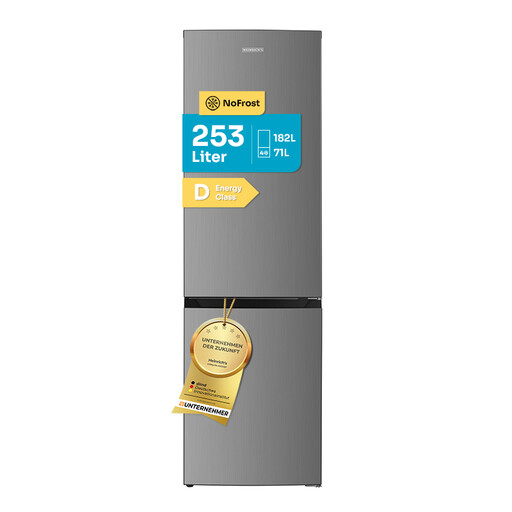
Heinrich's fridge-freezer, 253 l, Inox
A potential choice if you need separate fridge and freezer compartments and No Frost.
182 l fridge capacity and 71 l freezer capacity; 39 dB; reversible door.
View at Joybuy
 No image available
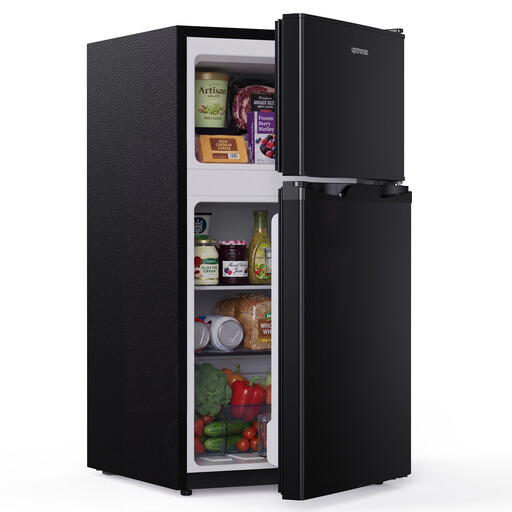
Upstreman TM84-Black, 84 l
Consider this compact option if space is limited and its stated capacity meets the needs of your shared flat.
59 l fridge capacity and 25 l freezer compartment; 7-setting thermostat; reversible door; adjustable feet.
View at Joybuy
 No image available
LG GBBS727AEV Fit&Max, 375 l
A freestanding fridge-freezer with larger, separately stated fridge and freezer capacities, suited to a shared flat with greater storage needs.
262 l fridge capacity and 113 l freezer capacity; energy class A; 112 kWh/year; Total No Frost; 0°C zone; door opening stated as 110°.
View at Joybuy
 No image available
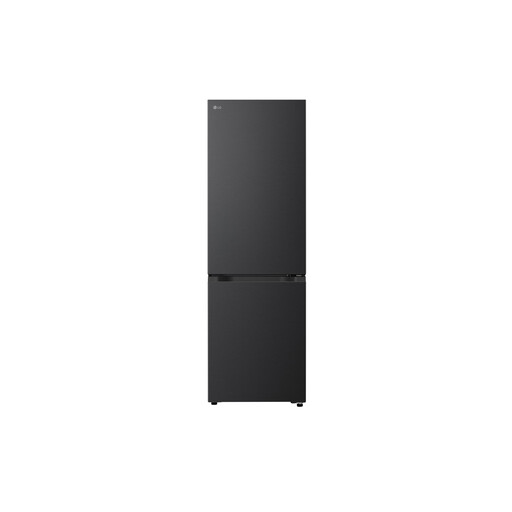
LG GBBS716AEV, 333 l, integrated
An integrated option if it suits your kitchen layout and the required clearance from the wall can be accommodated.
183 l fridge capacity and 113 l freezer capacity; energy class A; 108 kWh/year; No Frost; 29 dB(A); FRESHConverter+ zone.
According to the product description, a minimum gap of 4 mm is required between the side of the appliance and the wall when installing it.
View at Joybuy
 No image available
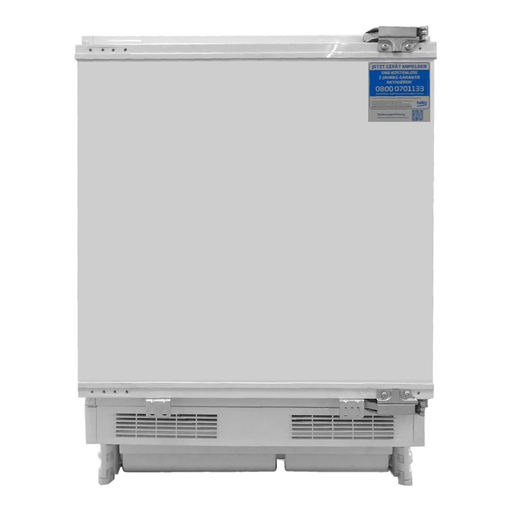
Beko BU1154N, 107 l, built-in
This built-in appliance could work if the intended housing matches its stated height and the smaller freezer compartment is sufficient.
92 l fridge capacity and 15 l freezer compartment; energy class E; designed for a niche height of 88 cm; reversible door.
View at Joybuy
Frequently asked questions
How should I store carrot sticks in a shared-flat kitchen?
Keep cut raw vegetables chilled and use them promptly. Ready-to-eat raw vegetables should be stored in a clean, covered container, separate from raw meat or fish. The Federal Centre for Nutrition’s guidance of around one week applies to whole carrots stored in the vegetable drawer, not cut sticks. The Federal Institute for Risk Assessment advises particularly vulnerable people to avoid fresh-cut products or to prepare thoroughly washed ingredients shortly before eating.
Will a freshness drawer keep carrot sticks safe for longer?
No. Information about vegetable drawers describes product features or manufacturer claims, not a generally applicable safe storage period for cut carrots. Hygienic preparation, adequate refrigeration and using them promptly are still important.
What should we bear in mind when installing and using the appliance?
Before choosing a model, check the available space, door clearance and the installation instructions for that specific appliance. Store food separately and covered, and check the temperature. NoFrost does not replace cleaning shared surfaces.
How can we compare running costs, and what happens if the appliance develops a fault?
Multiply the specific model’s stated kWh per year by your electricity tariff to estimate its annual energy costs. If there is a fault, contact the retailer about your statutory rights. The consumer advice centre explains that the statutory warranty period is two years from delivery; this is separate from any additional manufacturer’s guarantee.
What information does the EU energy label show, and what should we do with the old appliance?
The EU energy label for household fridges and freezers shows information including the energy efficiency class, kWh per year, capacity and noise. A fridge that has reached the end of its life must not go in household waste; take it to an authorised collection or take-back point instead. Retailers’ take-back services are subject to legal requirements; for a large old appliance, it is particularly relevant whether you are buying an equivalent new one. Arrange collection before you sign the contract.


