What should you look for when buying?
Compact fridge without a freezer compartment
A good fit if: you want to chill a few portions of your own and other fresh food, and space is limited.
The trade-off: Less space makes it harder to set aside separate compartments for several people, and you won’t be able to freeze food.
Larger shared fridge without a freezer compartment
A good fit if: several people need to store portions at the same time and want to set up personal compartments alongside a shared area.
The trade-off: More fridge space takes up more floor space. If appliances are a suitable size, compare their annual energy consumption too.
Fridge-freezer
A good fit if: you want to freeze leftovers regularly and have enough room for a freezer as well as a fridge.
The trade-off: Some of the total capacity is taken up by the freezer, leaving less room for chilled portions.
First decide whether you only need to chill food or also want to freeze it regularly. Then check that the available space and compartment layout meet your needs.
| What matters |
What to check before buying |
Who is it important to? |
| Safe chilling |
For heated food, the German Federal Institute for Risk Assessment recommends cooling it quickly to no more than 7 °C. Check the temperature where you plan to store it. |
If I’m saving cooked pasta for later, I want to know that it will stay cold enough where it is actually stored. In this buying context, around 36 % of consumers are likely to prioritise safe chilling. |
| Personal compartments |
Check the usable fridge capacity, the number and adjustability of shelves, and the size of your usual containers. Agree on which areas are personal and which are shared. |
If several people are storing sealed portions at the same time, I want to be able to find my containers without taking up someone else’s space. Consumers who value a clear compartment layout most are likely to make up around 29 %. |
| Available space and energy consumption |
Compare the external dimensions, door clearance, fridge capacity, energy label and stated annual energy consumption. Your actual electricity costs will depend on your tariff. |
If kitchen space is limited, I need an appliance that will fit and can be opened easily day to day, without choosing more fridge space than I need. Around 21 % of consumers are likely to prioritise space and ongoing electricity costs. |
| Freezer space |
Look at fridge and freezer capacity separately, and take the appliance’s total annual energy consumption into account. The Federal Centre for Nutrition lists freezing as one way to store leftovers. |
If I want to freeze leftovers regularly for later, I need dedicated freezer space as well as enough room for chilled portions. Consumers with this priority are likely to make up around 14 %. |
Fridges for a shared kitchen
This selection includes fridges without freezer compartments and fridge-freezers for shared portions, with the option of freezing food when needed.
 No product image available
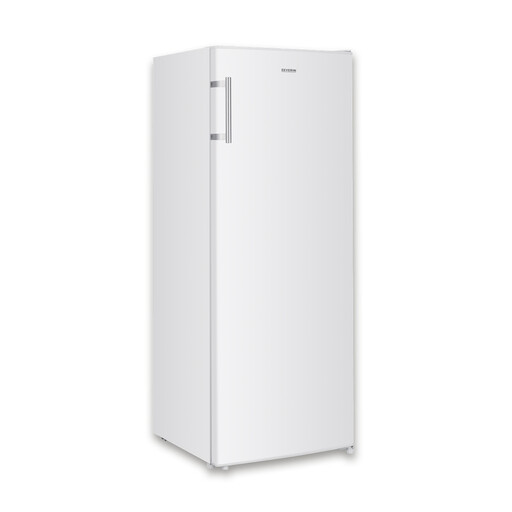
Severin VKS 8817
For several people who want to store chilled portions on separate shelves.
242 l fridge capacity, 83 kWh/year, energy efficiency class D and adjustable shelves. No freezer compartment.
View at Joybuy
 No product image available
LG GBBS727AEV Fit&Max
For shared chilled portions when you also need a freezer compartment.
262 l fridge capacity, 113 l freezer capacity and four shelves. The specified Zero-Clearance+ installation requires at least 4 mm of clearance from the wall.
View at Joybuy
 No product image available
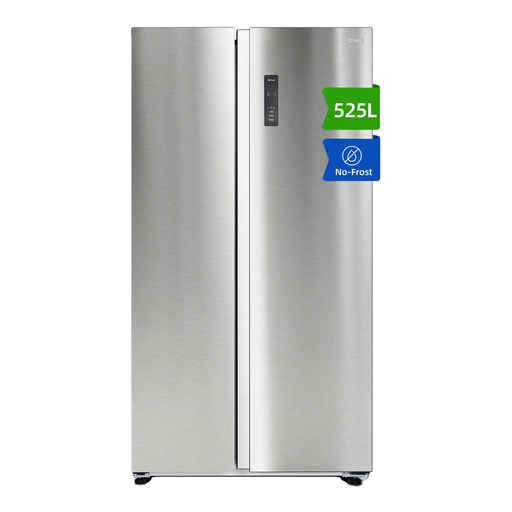
CHiQ JR525WSE
For households that need plenty of fridge space as well as a separate freezer compartment.
333 l fridge capacity and 192 l freezer capacity, with a total capacity of 525 l. Four doors.
View at Joybuy
 No product image available
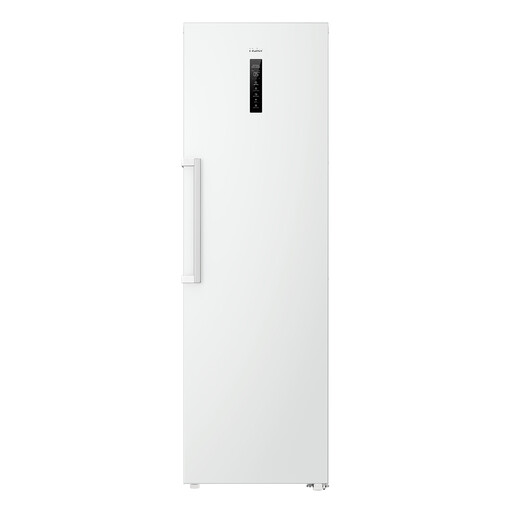
Haier H4R306WAH1 1D 60 Series 7
For several shared portions when you want a fridge without a freezer compartment.
301 l fridge capacity, adjustable glass shelves and external dimensions of 600 × 1900 × 742 mm. No freezer compartment.
View at Joybuy
 No product image available
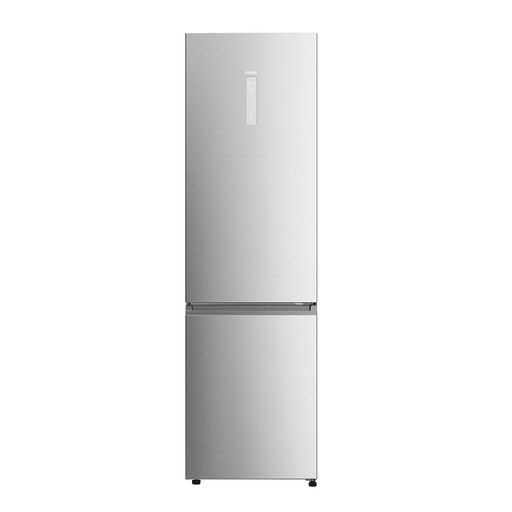
Haier HDPW7620AANPK 2D 60 Series 7
For shared chilled portions and extra freezer space.
289 l fridge capacity and 120 l freezer capacity. The stated external dimensions are 595 × 2050 × 667 mm.
View at Joybuy
Frequently asked questions
Is it enough to reheat cooked pasta before eating it?
No. Reheating doesn’t replace cooling food quickly and storing it at a sufficiently low temperature. The German Federal Institute for Risk Assessment notes that some toxins produced by Bacillus cereus are heat-stable.
How should I organise leftover pasta in a shared fridge?
Agree on dedicated personal compartments, label sealed containers and set up a cleaning routine. The North Rhine-Westphalia Consumer Advice Centre recommends a clear compartment layout for shared flats; this doesn’t replace checking the temperature where food is stored.
What should I consider when fitting a fridge in a small kitchen?
Check the external dimensions, door clearance and the installation instructions for the specific model. A reversible door can help with planning the space, but it doesn’t tell you whether the fridge will keep food cold enough in its final position.
What do the energy label and guarantee tell me about costs?
For appliances with a suitable fridge capacity, compare the energy label and stated annual energy consumption. Your actual electricity costs will depend on your tariff. In 2021, the European Commission Representation in Germany explained the A-to-G scale for fridges and freezers. Your statutory rights against the seller are separate from any voluntary guarantee.
Can an old fridge go in the household rubbish?
No. The German Environment Agency recommends disposing of old electrical appliances separately. When you buy a new appliance, you can generally also return a large old appliance, such as a fridge, free of charge with an online delivery. Confirm the collection arrangements when you place your order.


