What should you look for when buying a washing machine for a shared house?
First, work out how much washing you regularly do together and how much space you have. Then compare the programmes suitable for your textiles, along with each model’s energy, water and noise ratings.
| Buying priority |
What to check |
Who is it most relevant to? |
| Wash programmes and hygiene |
Check the care labels and the programme table for the specific model to find suitable cotton and temperature settings. |
If towels need to be treated differently for everyday washing and during a contagious illness, I want to match the care label with the programme I choose. Around 31% of consumers put suitable programmes for towels and specific hygiene needs first. |
| Capacity for washing together |
Compare your usual shared-house loads with the rated capacity and any different load limits for specific programmes. |
If we collect towels to wash together, the drum should suit our usual loads rather than just occasional peak loads. Around 25% of consumers prioritise capacity for washing loads collected by the household. |
| Electricity and water consumption |
Compare kWh per 100 Eco cycles and litres per Eco cycle using the same label basis, and consider how you’ll actually use the programmes. |
If we wash frequently, I want to compare electricity and water figures on a like-for-like basis without assuming they apply to every programme. Around 19% of consumers focus first on running costs. |
| Spin noise |
Check the noise emission in dB(A) for the exact model and consider where you’ll install it. |
If the machine is near shared or sleeping areas, the stated spin noise for the specific model matters to me. Around 13% of consumers prioritise a quieter spin cycle. |
| Space and connections |
Check the dimensions, including room for the door or lid to open, and the connections. Consider the specific installation requirements in a rented home. |
If space is tight, I need a machine with suitable dimensions and enough room to open, without overlooking the connections. Around 12% of consumers put available space and connection requirements first. |
Joybuy models for shared-house living
The models below include front-loading machines for larger loads collected by the household, as well as appliances for smaller loads. Check that the rated capacity and available space suit how you usually do your washing.
 No image available
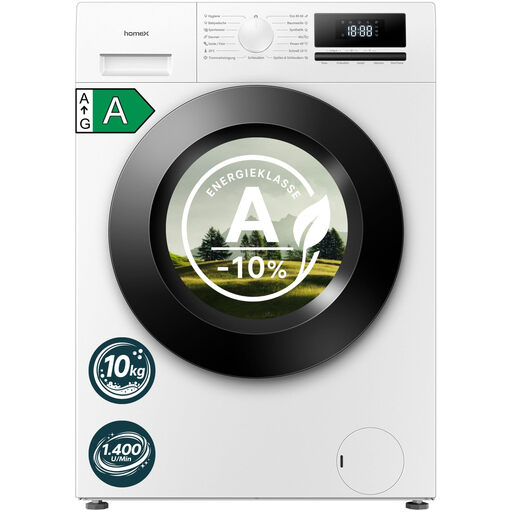
homeX WF1014H1A-W front-loading washing machine, 10 kg
The stated 10 kg capacity may suit washing loads regularly collected by a shared household. The key is whether it matches your usual loads.
Features listed in the product name: 1.400 rpm, steam function and energy efficiency class A.
View at Joybuy
 No image available
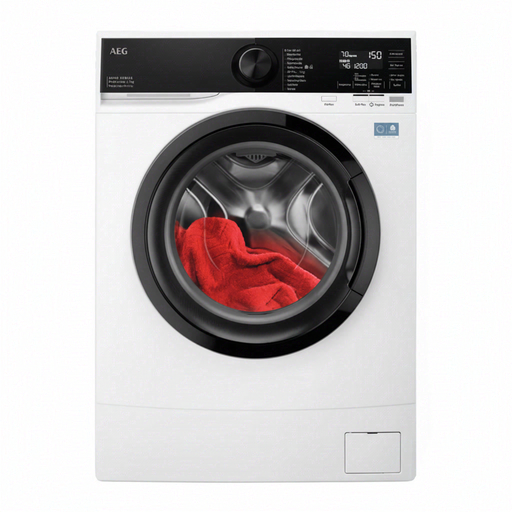
AEG LSR6FA75470 Series 6000 Slim, 7 kg
This 7 kg model may suit a shared house that washes smaller loads separately. Check the exact dimensions against the space you have available.
Features listed in the product name: 1.400 rpm, energy efficiency class A and Anti-Allergy steam programme.
View at Joybuy
 No image available
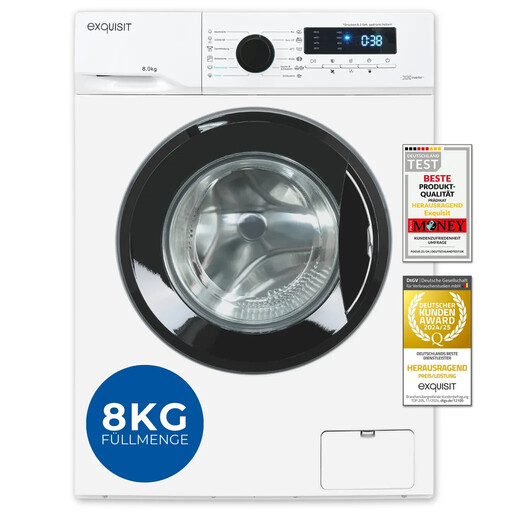
Exquisit WA58014-020A, 8 kg
With a rated capacity of 8 kg, this model is an option if the amount you wash together regularly fills a larger load.
Features listed in the product name: energy efficiency class A, maximum spin speed of 1.400 rpm, 13 programmes, delay start and child lock.
View at Joybuy
 No image available
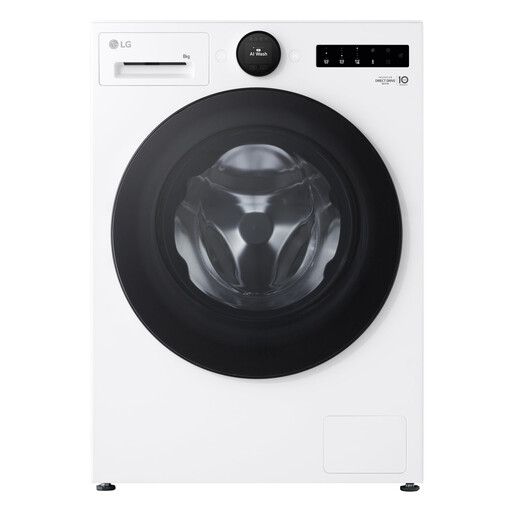
LG F4WX808YC front-loading washing machine, 8 kg
This 8 kg model may suit washing collected by the household if its capacity matches your shared house’s regular needs.
Features listed in the product name: 1.350 rpm, energy efficiency class A-20 %, AI DD, TurboWash 360 and Steam.
View at Joybuy
 No image available
LG F4WR5035 front-loading washing machine, 13 kg
The 13 kg rated capacity may suit larger loads regularly collected by the household. Compare it with the amount of washing you actually do.
Features listed in the product name: 1.360 rpm, energy efficiency class A-20 %, AI DD, 6 Motion Drum and Allergy Care Steam.
View at Joybuy
Frequently asked questions
Do towels in a healthy shared house always need to be washed at 60 °C?
No. Germany’s Federal Environment Agency recommends washing towels at 40 or 60 °C for hygiene reasons. Extra laundry disinfection isn’t needed for healthy household members and normally soiled washing. Always follow the care labels when choosing a programme.
Does ‘Eco 40–60’ mean the washing is done at 60 °C?
No. ‘Eco 40–60’ is a programme for normally soiled cotton washing labelled as suitable for it. It doesn’t prove that the temperature reaches 60 °C. If you have a specific hygiene need, check the instructions for your particular model to find a suitable separate programme.
What should you do if someone in the shared house has a contagious illness?
Additional hygiene measures may be important, depending on the circumstances. Germany’s Federal Environment Agency mentions measures such as using separate towels and, where appropriate, washing at higher temperatures. This doesn’t mean every shared house must always wash at 60 °C. If there are specific health concerns, those affected should discuss suitable measures with a doctor.
What should you check before installing a washing machine in a rented home?
Check the available space, water inlet and drainage, and water protection system. Discuss the specific installation arrangements with your landlord. Germany’s consumer advice centre notes that water damage and insurance cover can be especially relevant if a machine is left running while you’re away for an extended period.
What costs and terms should I check for delivery and old-appliance collection?
As well as energy and water consumption, compare the specific terms for delivery, installation and collection of your old appliance. Germany’s consumer advice centre explains that retailers covered by the rules are generally required to take back larger old appliances free of charge when you buy a corresponding new one. Before ordering, check how the retailer you choose arranges collection.


