What should a shared house look for when buying?
First, work out whether you’ll usually wash together or separately. You can then compare programmes, energy and water use, noise levels and water protection to find a machine that suits your day-to-day needs.
| What matters |
What to check before buying |
Who will find this especially important? |
| Suitable load size |
Check the rated capacity and permitted load for the programmes you’ll use, as well as the machine’s dimensions and the space needed to open the door. |
If we wash together, the drum should suit the amount of laundry we regularly combine and help us avoid unnecessary part-loads. Around 31% of consumers would make choosing the right load size their top buying priority. |
| Programmes and sock hygiene |
Check garment care labels and the available temperature programmes. The German Environment Agency says high wash temperatures are usually unnecessary for normally soiled laundry. |
For cotton socks, I want to choose a programme that suits the care instructions and how soiled they are, while treating specific hygiene needs separately. Around 23% of consumers would prioritise wash programmes and sock hygiene. |
| Energy and water costs |
Compare kWh per 100 Eco cycles and litres per Eco cycle across similar models. The German Environment Agency points out that quick programmes are not automatically more energy-efficient. |
If the machine will be used often, I want to consider energy and water use, along with any delivery or installation costs, as well as the purchase price. Around 23% of consumers would put running costs first. |
| Noise and water protection |
Compare the spin noise level in dB(A), the noise emission class and the water protection features of each model; check the connections and agree who is responsible for what in the shared house. |
If the machine is near living areas or a leak could affect the rented property, I want to check the noise level and protection features of the specific model. Around 23% of consumers would prioritise peace and quiet at home and water protection. |
Washing machines at Joybuy
This selection at Joybuy includes front- and top-loading washing machines in a range of drum sizes, for combined or separate loads.
 No image available
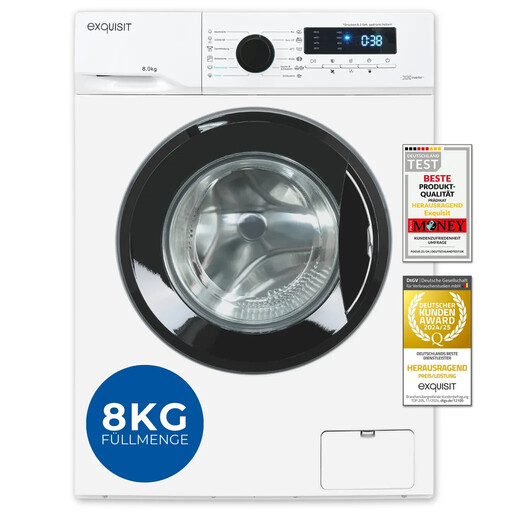
Exquisit WA58014-020A washing machine, 8 kg
The stated capacity of 8 kg is an option for shared houses that regularly wash combined loads.
Features listed include 13 programmes, a maximum spin speed of 1,400 rpm, Cotton Care, ECO mode, an A energy efficiency rating and AquaStop.
Joybuy
 No image available
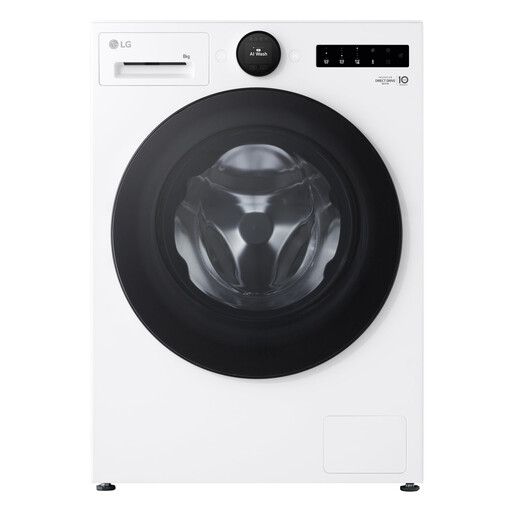
LG F4WX808YC washing machine, 8 kg
With an 8 kg capacity, this model could suit a shared house that regularly combines its laundry.
Specifications include a spin speed of 1,350 rpm, Cotton and Eco 40–60 programmes, an A energy efficiency rating and TurboWash for half loads.
Joybuy
 No image available
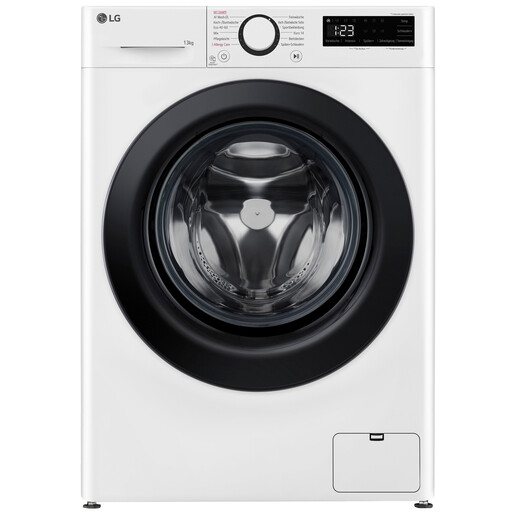
LG F4WR5035 washing machine, 13 kg
The stated capacity of 13 kg may appeal to shared houses that regularly put together large combined loads.
Figures listed include 44 kWh per 100 cycles, 58 litres per cycle and a spin noise level of 72 dB(A). The description also mentions Cotton, Eco 40–60, LoadSense and AquaLock.
Joybuy
 No image available
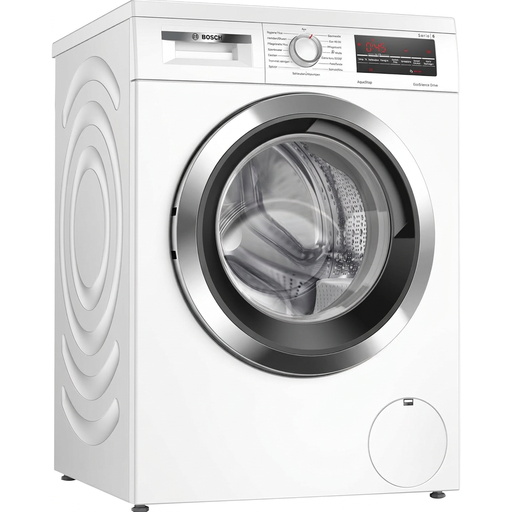
Bosch Serie 6 WUU28T48 washing machine, 8 kg
The stated capacity of 8 kg makes this a useful comparison for shared houses planning to wash combined loads.
Specifications include a spin speed of 1,400 rpm, an A energy efficiency rating and a spin noise level of 70 dB. The description also lists Cotton and Eco programmes, AquaStop and a reload function.
Joybuy
 No image available
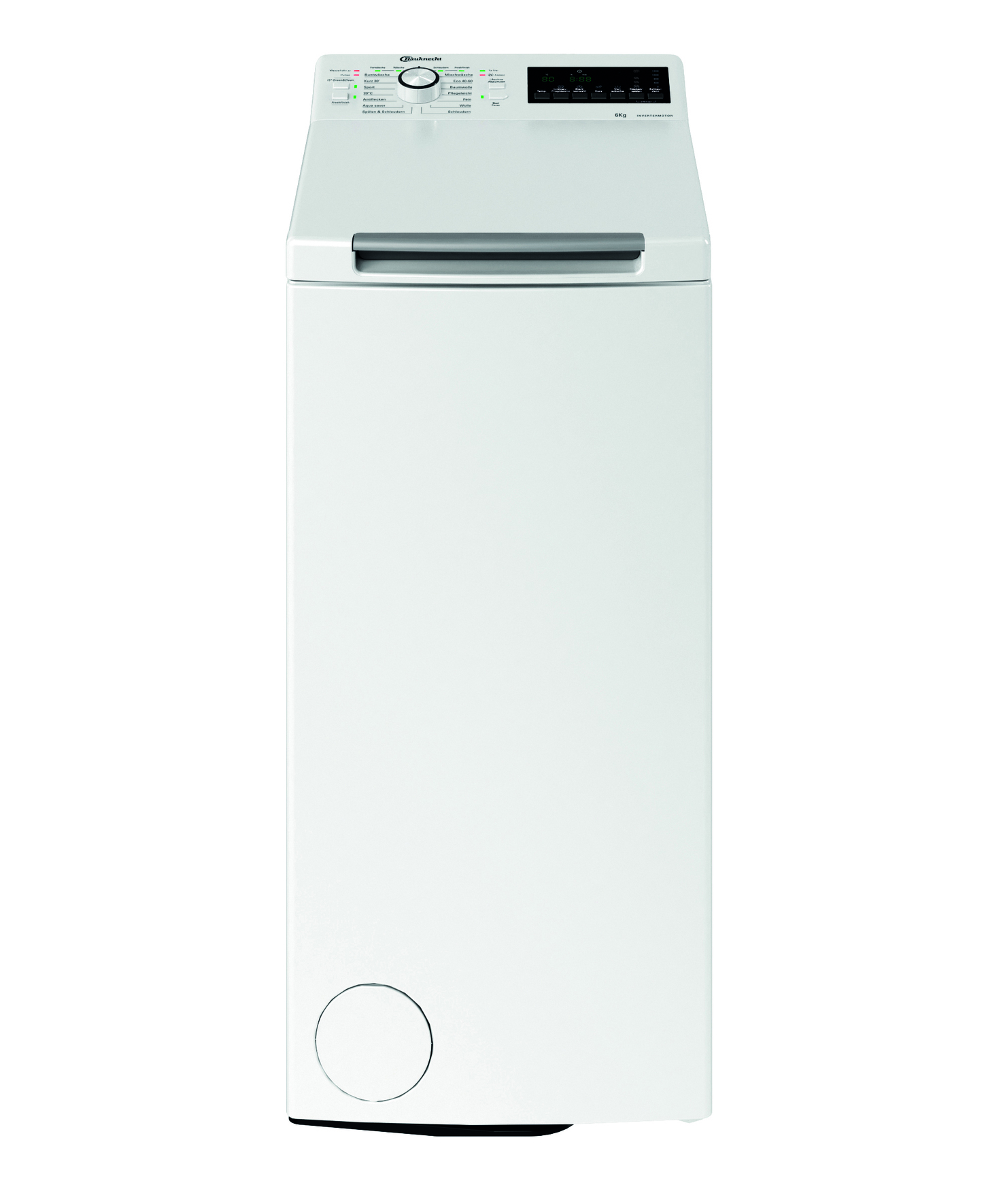
Bauknecht WMT Eco Shield 626 A top-loading washing machine, 6 kg
With a capacity of 6 kg, this model is an option for smaller or mostly separate loads.
Figures listed include 42 kWh per 100 cycles, 43 litres per cycle and a maximum spin speed of 1,200 rpm. The top-loader is specified as 40 cm wide; make sure there’s enough clearance above it to open the lid.
Joybuy
Frequently asked questions
Do cotton socks in a shared house always need to be washed at 60 °C?
No, not if they’re normally soiled: the German Environment Agency says high wash temperatures are usually unnecessary in this case. Follow the care label, and for specific hygiene needs, refer to any relevant additional guidance.
How can a shared house keep its washing machine from smelling?
Remove wet laundry promptly, and dry the door seal and detergent drawer after each wash. The consumer advice centre also recommends cleaning the fluff filter as instructed in the manual and washing suitable white cottons with a powder detergent at 60 °C about once a month.
What should you check before connecting a washing machine in a rented shared house?
Agree the location with your landlord, check the water inlet and drain, and decide among yourselves who’s responsible for connecting and using the machine. Whether a particular installation is permitted and insured depends on your tenancy agreement, the property and the insurance terms. The consumer advice centre recommends discussing it with your landlord first.
What rights and costs should you consider when buying or replacing a machine?
As the consumer advice centre explains, your statutory rights against the seller are different from a voluntary guarantee. Before ordering, check whether delivery to the installation location, connection, disconnection and removal of your old machine are included. The German Federal Ministry for the Environment lists local collection points and retailer take-back of old electrical appliances, subject to legal requirements.
Which energy label scale applies to new washing machines?
New household washing machines in the EU use the A to G energy label scale, introduced in 2021. European Union consumer information notes that the rules do not apply in the same way to second-hand products.


