What should you look for when buying?
First, work out how much washing up you regularly produce and what space is available. Then compare consumption, noise levels and the requirements for installation.
60 cm freestanding dishwasher
A good fit if: you have room for a wider freestanding appliance and regularly produce larger shared loads.
Consider: the extra width won’t necessarily be worthwhile if the machine is often only partly full.
45 cm freestanding dishwasher
A good fit if: you only have a narrow space available or a larger machine would rarely be full in everyday use.
Consider: the interior has less room for plates, bowls and pans produced at the same time.
Built-in or integrated-under-counter dishwasher
A good fit if: you have a suitable kitchen run or recess and the appliance is designed for that type of installation.
Consider: you’ll need to check the recess dimensions, furniture door and installation requirements more carefully than for a freestanding appliance.
| What matters |
What to look for |
Who is it important to? |
| Amount of washing up and loading |
Use place settings as a guide, and also check whether your own plates, pans and bowls will fit in the baskets. |
If I often wash up for several people at once, I want to be able to load the baskets properly with the items we use every day. Around 29% of consumers put the amount of shared washing up first. |
| Available space and appliance type |
Check the appliance’s width, height and depth, along with the door clearance, against the installation space. Distinguish between a free-standing space and a built-in recess. |
If the kitchen is small, the appliance needs to fit the available space without overlooking the type of installation required. Around 23% of consumers prioritise available space and a suitable appliance type. |
| Running costs |
Compare electricity use per 100 Eco cycles, water use per Eco cycle and Eco programme duration on a like-for-like basis, taking your own usage into account. |
If I wash up regularly, I want to compare programme consumption with how I use the machine, rather than just comparing appliance widths. Around 18% of consumers give running costs top priority. |
| Installation and set-up |
Check the model’s instructions, access to connections, hose routing, and what’s included in the delivery and installation service. |
If installation in our kitchen isn’t straightforward, I want to confirm before ordering that the set-up and connections will work with the specific model. Around 18% of consumers prioritise whether installation is practical. |
| Noise in living areas |
Compare the specific model’s noise emissions in dB(A) and its noise class. |
In an open-plan kitchen, I want to take the stated noise emissions into account while the dishwasher is running. Around 12% of consumers put quiet operation first. |
Dishwashers at Joybuy
The Joybuy models below include freestanding 60 cm appliances and under-counter models for shared kitchens that produce washing up regularly.
 No image available
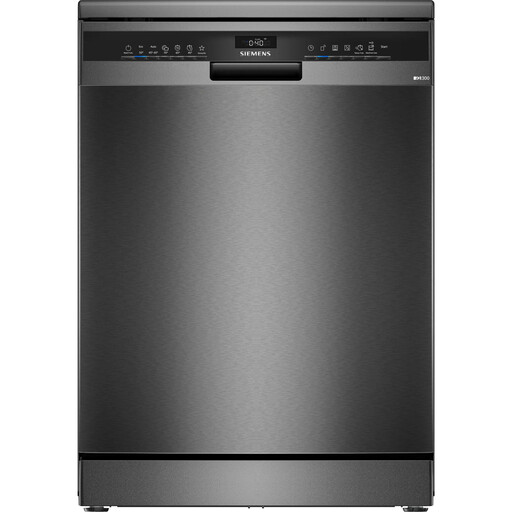
Siemens SN23EC03ME, 60 cm, BlackInox
An option to consider if a freestanding 60 cm appliance suits your available space and the amount of washing up you share.
Features listed in the product title: energy efficiency class B, autoOpenDry, HomeConnect and varioDrawer.
View at Joybuy
 No image available
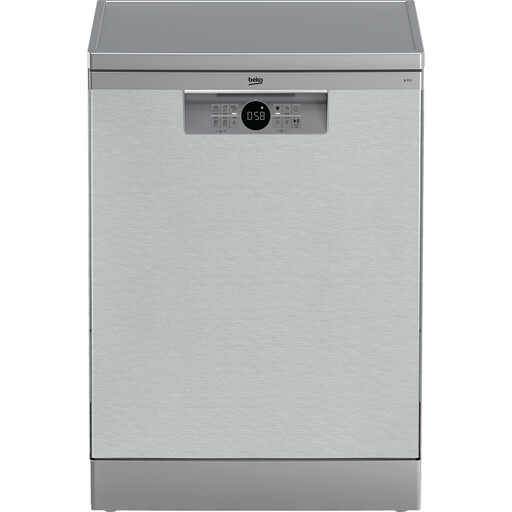
Beko BDFN16O45XW, 14 place settings
Could be a good fit if a freestanding appliance with the stated capacity suits your kitchen.
Features listed in the product title: 44 dB, energy efficiency class B, Quick&Shine, SelfDry and HomeWhiz.
View at Joybuy
 No image available
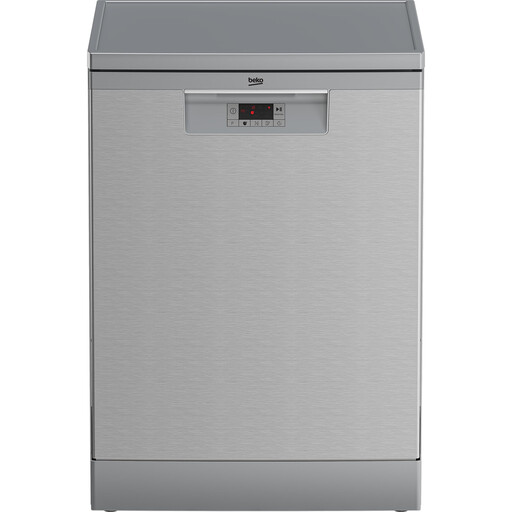
Beko BDFN16O44XW, 60 cm, 14 place settings
Another freestanding 60 cm option, if its width and capacity suit everyday life in your shared kitchen.
Features listed in the product title: 5 programmes, half load, Quick & Clean, SelfDry and height-adjustable upper basket.
View at Joybuy
 No image available
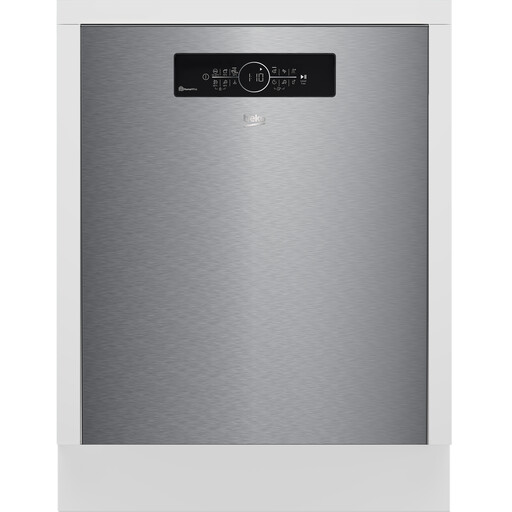
Beko BDUN16O46XW, under-counter, 14 place settings
Worth considering if you have a suitable kitchen opening and the necessary connections.
Features listed in the product title: 42 dB, energy efficiency class A, Quick&Shine, SelfDry and HomeWhiz.
The under-counter design requires suitable installation dimensions.
View at Joybuy
 No image available
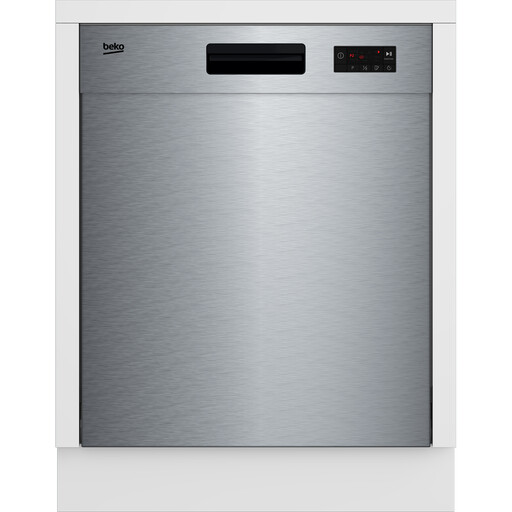
Beko BDUN15430X, under-counter, 14 place settings
An under-counter option if the appliance suits your existing kitchen units and the amount of washing up you share.
Features listed in the product title: energy efficiency class A, Quick&Shine, SelfDry and Aquasafe+.
The panel-ready design requires a suitable furniture door and installation dimensions.
View at Joybuy
Frequently asked questions
How can I compare consumption figures like for like?
Compare the figures on the EU energy label: electricity use per 100 Eco cycles, water use per Eco cycle, Eco programme duration, capacity and noise emissions. These figures relate to the Eco programme and don’t indicate consumption for every quick or intensive programme. The European Commission explains the EU label’s A to G scale for household dishwashers.
What should we set up before using the dishwasher for the first time?
Check the installation and connections using the instructions for your specific model. Bosch recommends checking the local water hardness and setting the water softener accordingly for its appliances; the exact steps depend on the model.
Do plates need rinsing before loading?
The German Environment Agency recommends not pre-rinsing dishes and using the Eco programme with a full load wherever possible. You can remove any large food scraps before loading.
What should we check about delivery and guarantees before ordering?
Check what delivery, positioning, installation and old appliance removal are included in the specific offer. A voluntary manufacturer’s guarantee is separate from your statutory rights against the seller. Read the guarantee terms and assess both separately.
How should an old dishwasher be disposed of in Germany?
Old electrical appliances must be collected separately and not put in household waste. The German Environment Agency lists local collection points and take-back when buying a new appliance. Before ordering, check whether collection can be arranged as part of the specific delivery.


