What should you look for when buying?
First, check that the appliance will fit in its intended spot and can still be used with the door open. Then compare the separate fridge and freezer capacity. When storing cooked leftovers, prompt cooling and hygienic handling remain essential.
| What matters |
What to check when buying |
Who should pay particular attention? |
| Safe refrigeration and hygiene |
Check that you can monitor the fridge temperature; make sure there are shelves and space for separate, sealed containers. |
If I want to store cooked portions separately and keep track of them, suitable shelf space matters just as much as temperature control. Around 31% of consumers say keeping leftovers safely chilled is their top buying priority. |
| Accessible storage |
Compare fridge and freezer capacity separately; measure the floor space and door swing area. |
If there needs to be room for other housemates’ food alongside my portions, I need storage that’s easy to reach and arranged to suit my needs. Around 25% of consumers say this is their main concern. |
| Freezer space for portions |
Check the freezer’s usable capacity and drawer layout; make sure it can maintain the recommended storage temperature of −18 °C. |
If I regularly batch-cook and want to freeze individual portions, the freezer section should have enough space and be easy to organise. Around 19% of consumers put freezing portions top of their list. |
| Running costs |
When comparing appliances with similar usable capacity, check the annual kWh figure on the EU energy label. |
If we want to keep an eye on running costs in our shared house, the stated annual energy consumption is a useful way to compare models. Around 13% of consumers prioritise energy consumption. |
| Noise and everyday practicality |
Check the noise rating in dB(A); consider whether the door and drawers can be opened where the appliance will be installed. |
If the kitchen is near a living room or bedroom, I want to choose an appliance with a noise rating and features suited to its shared location. Around 12% of consumers prioritise noise and everyday practicality. |
Fridge freezers at Joybuy
The range includes fridge freezers with separate fridge and freezer sections for storing portions, from more compact appliances to models with more storage space. Compare usable capacity, appliance dimensions and the clearance needed to open the doors with the space available in your shared kitchen.
 No image available
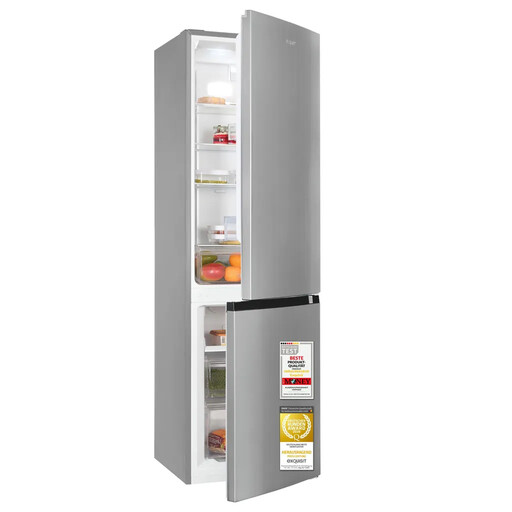
Exquisit KGC5265-70-NF-040C, 253 l
The separately stated fridge and freezer sections make it easier to plan space for individual portions.
Listed in the product name: No Frost, energy class C and 39 dB. The stated depth with the door open is 105 cm, so allow for the space needed to open it.
View at Joybuy
 No image available
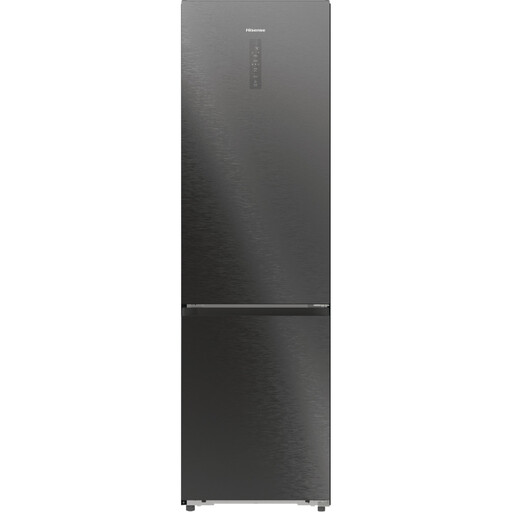
Hisense RB5P410SAFC
Separate fridge and freezer sections make it easier to plan space for chilled and frozen portions. Check that the layout suits your shared household’s needs.
The product description recommends allowing at least 5 cm of clearance at the sides and back for ventilation.
View at Joybuy
 No image available
CHiQ JR263LGE, 262 l, Low Frost
The separately stated fridge and freezer sections can help you plan space for chilled and frozen portions.
Listed in the product name: 70/30 split, 54 cm wide and 176 cm high, black finish.
View at Joybuy
 No image available
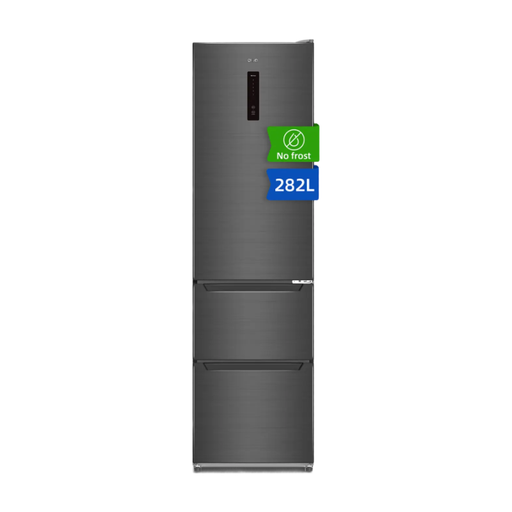
CHiQ CID282NEIBE, 282 l, Multi-Door
The separate storage sections are useful for planning space for different chilled and frozen foods. Check that the layout suits your containers and the space available.
Listed in the product name: 54 cm wide, 192 cm high, energy class E, No Frost, Dual Inverter and touch controls. Allow extra space for ventilation and opening the door, as set out in the supplied instructions.
View at Joybuy
 No image available
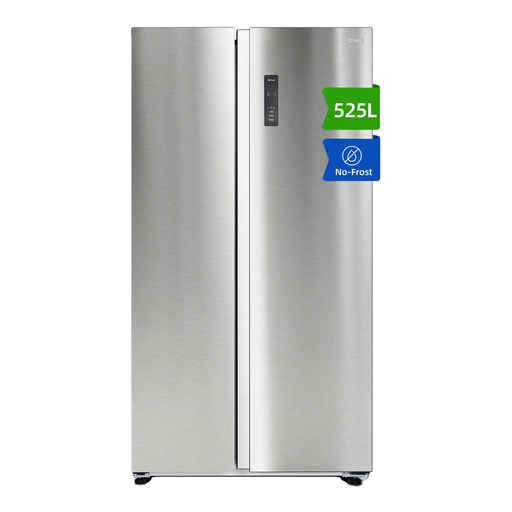
CHiQ JR525WSE, 525 l, Side-by-Side
The stated fridge and freezer sections offer separate storage space to plan around. Check that the appliance dimensions suit the installation space.
Listed in the product name: 333 l fridge capacity, 192 l freezer capacity, No Frost, Multi-Airflow, energy class E and 37 dB.
View at Joybuy
Frequently asked questions
How long can I keep cooked chicken in the fridge?
The German Federal Institute for Risk Assessment recommends cooling leftovers to below +7 °C within a few hours, storing them in the fridge and eating them within two to three days. You can divide larger quantities between several shallow dishes to help them cool. This is hygiene advice, not a shelf-life guarantee for any particular appliance model.
How can I avoid contamination in a shared kitchen?
Store cooked portions separately in covered containers, and keep your hands, appliances and worktops clean. The German Federal Institute for Risk Assessment notes that pathogens can also be spread via hands, work surfaces and kitchen utensils.
When is a larger freezer section useful?
A larger freezer section may be a good choice if you regularly freeze several portions and need storage that’s easy to access. For long-term frozen storage, the Verbraucherzentrale and the Federal Centre for Nutrition recommend −18 °C as a guide.
How do I compare energy consumption?
For appliances of a similar size that meet your needs, compare the kWh per year shown on the EU energy label. To estimate your own annual running costs, multiply this figure by your electricity price per kWh. The Verbraucherzentrale notes that standardised energy consumption figures may differ from actual use in an individual household.
What are the rules in Germany for energy labels and disposing of an old fridge?
Since 2021, fridge energy labels no longer use the previous symbol, so check the current label on the appliance. An old fridge must not be put in household rubbish. The German Environment Agency explains that when you buy a replacement of the same type, large old appliances can also be returned free of charge with online purchases delivered to your home. Check the arrangements with the retailer.


