For a get-together, the biggest pack of cookies or the lowest sugar figure isn’t the whole story. Compare energy and sugar per 100 g, then think about how much you’ll actually put out. Classic chocolate cookies, biscuit assortments and lower-sugar alternatives suit different preferences. With assortments, check the information on the specific pack; for products with sweeteners, also look at the ingredients and how well they’re tolerated.
Who will find this comparison useful?
Anyone planning snacks to share
Whether you’re catering for visitors, a film night or the office, you’ll want to keep an eye on how much you’re putting out. So, as well as checking the nutrition information per 100 g, consider how much of the pack you’ll actually serve.
Anyone keeping an eye on sugar
You’re comparing the sugar content of different biscuits and want to know what’s in alternatives with sweeteners, and whether they’re suitable for the people you’ll be sharing them with.
Anyone comparing chocolate cookies
You’re looking for cookies to share and want to compare energy, sugar and ingredients on a like-for-like basis across packs of a similar size.
What should you look for when buying?
Classic chocolate cookies
A good choice if: You have a particular type of chocolate cookie in mind for your get-together and want to decide in advance how much to serve.
The trade-off: According to EDEKA24 and ALDI SÜD, the three 200–225 g products compared here contain 492–509 kcal and 35–41 g of sugar per 100 g.
Lower-sugar cookies
A good choice if: Sugar content is a priority for you, but you’ll still check the energy information and ingredients.
The trade-off: Gullón lists less than 0.5 g of sugar per 100 g for Digestive Zero, and includes isomalt and maltitol in the ingredients. According to the Verbraucherzentrale, sugar substitutes can have a laxative effect in larger quantities. A low sugar figure alone doesn’t tell you how much energy a product contains.
Biscuit assortment
A good choice if: Having several varieties to suit different tastes matters more than choosing just one type of cookie.
The trade-off: Bahlsen offers biscuit and wafer assortments. To compare nutrition and quantity, you’ll need to check the details on the specific assortment you choose.
| Criteria |
What to check |
Who it matters to |
| Energy and quantity |
Compare kcal per 100 g and decide how much you want to offer each person. |
When I open a pack, I want to be able to estimate how much I’m serving rather than treating the whole pack as one portion. Around 36% of consumers prioritise being able to manage their energy intake. |
| Sugar content |
Compare sugar per 100 g; for products with sweeteners, check the energy information and ingredients too. |
My main concern is comparing the sugar content of the cookies I choose without treating it as the same thing as energy content. Around 29% of consumers share this priority. |
| Sharing and variety |
Check the pack weight and, where applicable, the number of biscuits; for assortments, check the information on the specific pack. |
I want to cater for different tastes in my group and decide what to put out before serving. Sharing is the main priority for around 21% of consumers. |
| Ingredients and suitability |
Read the ingredients list, allergen information and any ‘may contain’ warnings on the specific pack. |
When several people are sharing, I want to check sweeteners and allergen information before buying. This is the main consideration for around 14% of consumers. |
Which mistakes can you avoid?
-
Treating the whole pack as one portion
When you’re sharing, the pack size isn’t the amount each person will eat. The German Nutrition Society highlights the high energy density of many sweets and baked goods.
Decide how much you’ll serve before opening the pack, and use the energy information per 100 g to help you.
-
Assuming a low sugar figure means low energy content
According to the Verbraucherzentrale, sugar substitutes provide fewer calories than sugar, but they aren’t always calorie-free and can have a laxative effect in larger quantities.
For cookies with sweeteners, compare both the nutrition information and the ingredients list on the specific pack.
-
Comparing different pack sizes directly
You can’t make a meaningful comparison of sugar and energy based on the total contents of a 200 g pack and a 225 g pack. Information per 100 g gives you a consistent basis for comparison.
Compare the nutrition information per 100 g first, then factor in how much you plan to serve.
-
Overlooking allergen and ‘may contain’ information when sharing
The cookies described by EDEKA24 and ALDI SÜD, as well as Gullón Digestive Zero, differ in their ingredients and allergen or potential trace information.
Before sharing, check the labelling on every pack you choose, especially if any guests need to avoid certain ingredients.
Which brands are useful points of reference?
Bahlsen
Alongside individual biscuits, Bahlsen offers biscuit and wafer assortments for sharing.
- An assortment can include several varieties in one pack.
- For quantity, ingredients and nutrition, check the information on the specific assortment you choose.
Gullón
Digestive Zero is an option to consider when comparing lower-sugar cookies.
- Gullón states that Digestive Zero contains less than 0.5 g of sugar per 100 g.
- The ingredients list includes isomalt and maltitol. For energy information, ingredients and labelling, the specific pack is the one to check.
EDEKA / Gut & Günstig
EDEKA24 provides specific nutrition information for EDEKA Double Chocolate Cookies and Gut & Günstig American Style Cookies.
- For the 200 g pack of Double Chocolate Cookies, EDEKA24 lists 492 kcal and 37.4 g of sugar per 100 g. For the 225 g pack of American Style Cookies, it lists 498 kcal and 35 g of sugar per 100 g.
- The products have different ingredients and allergen information. The nutrition figures alone don’t determine which pack is suitable for all your guests.
ALDI SÜD / BISCOTTO
ALDI SÜD describes BISCOTTO Premium Cookies Nougatelli as a 200 g pack.
- ALDI SÜD lists 509 kcal and 41 g of sugar per 100 g for this product.
- ALDI SÜD notes that product details and nutrition information may vary between suppliers. So, check the labelling on the pack you’re actually buying.
Cookie products at Joybuy
This selection includes a larger sharing pack as well as smaller cookie and biscuit options, so you can compare sugar content, pack sizes and ingredients for your occasion. There’s also an individually wrapped option. A larger pack doesn’t automatically make for a suitable portion size.
 No image available
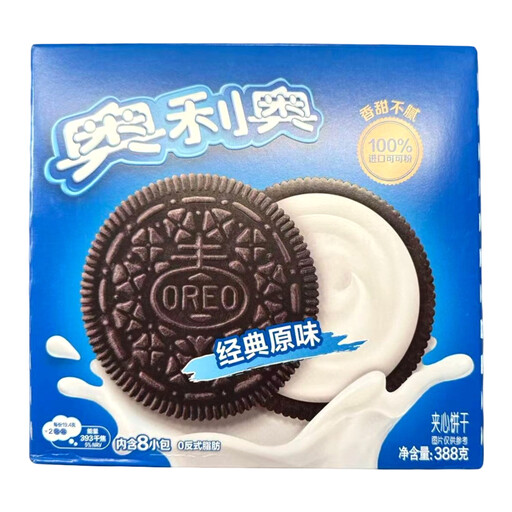
Oreo Classic Original Sandwich Cookies Family Pack, 388 g
The 388 g pack could suit a get-together if you decide how much to serve before you put it out. For comparison, check the nutrition information, ingredients and allergen details on the pack.
View at Joybuy
 No image available
Oreo Zero Sugar Sandwich Cookies, 97 g
The 97 g pack is a smaller alternative to a large bag if you only want to put out a limited amount. Zero Sugar doesn’t mean you can skip checking the energy information and ingredients. Before sharing, also check the pack for potential allergens.
View at Joybuy
 No image available
Coppenrath Wiener Sandringe Sugar-Free, 200 g
The 200 g pack offers another recipe to consider if you want to compare sugar content. Before choosing, check the nutrition information, sweeteners used and allergen details on the specific pack. The pack size doesn’t determine the portion.
View at Joybuy
 No image available
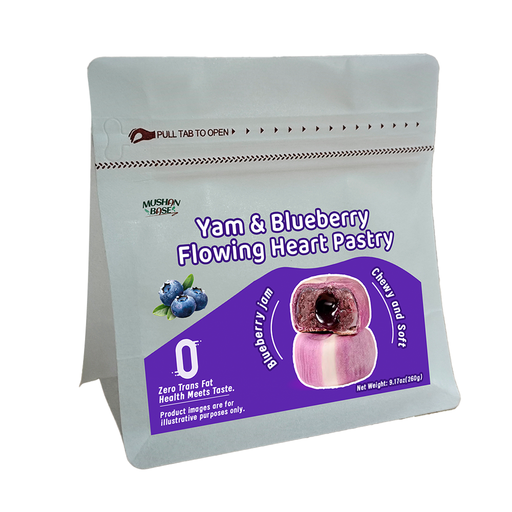
MUSHAN BASE Yam Blueberry Lava Cookie, 260 g
The 260 g pack may suit a sharing occasion if you prefer individually wrapped cookies. Check the sugar content in the nutrition information on the specific pack rather than relying on a marketing claim, and check the ingredients and allergen details too.
View at Joybuy
 No image available
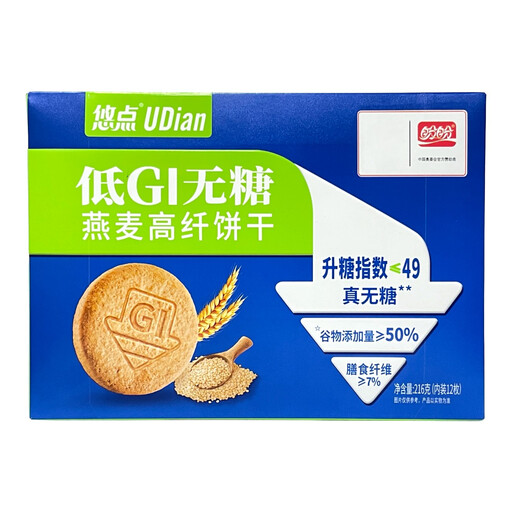
Panpan oat biscuits, 216 g
The 216 g pack is an option if you want to compare oat biscuits with other varieties using the information on the pack. In particular, check energy, sugar and ingredients for the specific pack you choose. If fibre matters to you, check the amount listed.
View at Joybuy
Frequently asked questions
Are lower-sugar cookies automatically a good choice for weight management?
No, the sugar figure alone doesn’t tell you everything. Also compare energy per 100 g and the amount you plan to eat. For recipes with sugar substitutes, it’s worth checking the ingredients too: the Verbraucherzentrale notes that these substances can have a laxative effect in larger quantities.
Which nutrition information helps you compare cookie packs of different sizes?
Information per 100 g gives you a common basis for comparing energy, fat, saturates, carbohydrates, sugars, protein and salt. Then consider how much of each pack you actually plan to serve.
What should I look for in cookies with sweeteners?
As well as the sugar and energy information, read the ingredients list on the specific pack. This will tell you which sweeteners are used; for example, the manufacturer lists isomalt and maltitol in Gullón Digestive Zero.
How can I portion out a larger pack of cookies without losing track of how much I’m serving?
Before serving, decide how much you want to offer from the pack and put out just that amount to start with. Use the energy information per 100 g to compare products; the German Nutrition Society notes that many sweets and baked goods have a high energy density.


