
Lieferung heute & morgen

Qualitätsgarantie

Willkommens-Angebote freischalten: KOSTENLOSE Lieferung | Bis zu 80 % RABATT | Kostenlose 30-Tage-JoyPlus-Testphase
App herunterladen
Dry, tight skin or brittle hair are common concerns, and the search for an effective solution leads many to shea butter products. But the market is overwhelming. Products prominently advertise shea butter but often fail to deliver on their promises. Before you make a purchase, it's crucial to understand the typical pitfalls that can lead to disappointment and unnecessary expense.
As your Joybuy Product Recommendation Officer, I'm here to help you separate marketing hype from facts. This guide focuses on objective criteria so you can make an informed choice.
The 2 Most Common Pitfalls When Choosing Shea Butter Products:
To ensure you get a product that meets your needs, you should check three core aspects. These will help you objectively evaluate the quality and suitability of a shea butter skincare product.
The International Nomenclature of Cosmetic Ingredients (INCI) lists all components of a product in descending order of their concentration.
If you want to buy pure shea butter, the list should be extremely short, ideally consisting only of Butyrospermum Parkii Butter and perhaps an antioxidant like Tocopherol (Vitamin E) for preservation.
Not all shea butter is created equal. The degree of processing has a significant impact on its properties and scent.
Your choice depends on your personal preference regarding scent, texture, and the desired level of naturalness.
A single ingredient doesn't make a great product. The combination of all components must be tailored to its purpose.
Here are some product recommendations tailored to different user profiles and their specific requirements.
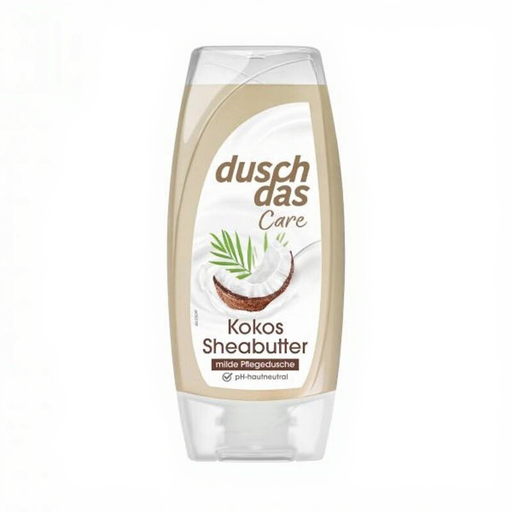
Why it's a good fit: Ideal for daily use to provide the skin with a light conditioning effect right from the shower. It's a straightforward and affordable way to integrate shea butter into your routine without expecting an intensive treatment.
This shower gel doesn't pretend to be a highly concentrated treatment. It is clearly positioned as a cleansing product with conditioning additives, thus bypassing the "shea butter illusion" through an honest product category.
According to the manufacturer, the formula is pH skin-neutral and designed for daily use, which protects the skin barrier during cleansing.
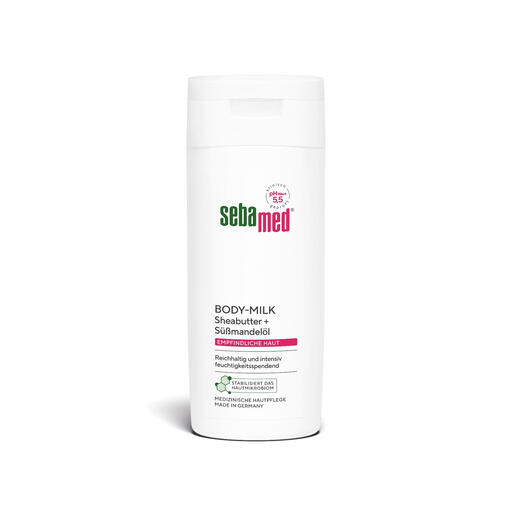
Why it's a good fit: For those with dry to very dry skin who need a reliable, daily body lotion. The focus is on strengthening the skin barrier, which is a key factor for people with sensitive skin.
The formula isn't just built on shea butter but on a well-designed system. The pH of 5.5 is a central feature that supports the skin's natural protective mantle, thereby avoiding the pitfall of a counterproductive formula.
The combination of shea butter, sweet almond oil, and the skin-neutral pH of 5.5 provides a scientifically sound basis for caring for dry skin.
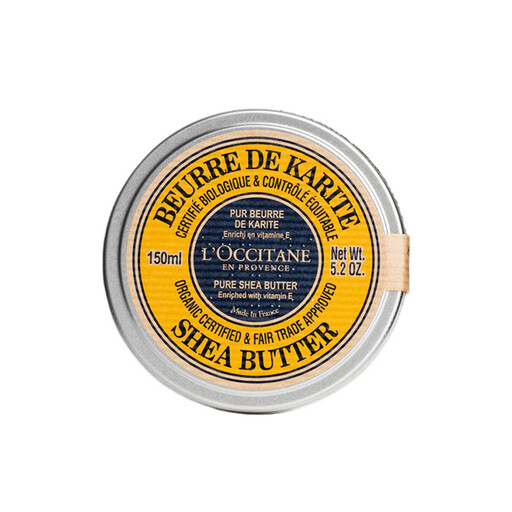
Why it's a good fit: Perfect for users seeking the pure, unadulterated benefits of shea butter. It can be used as a targeted treatment on extremely dry areas like elbows, heels, and lips, or as an intensive hair mask for the ends.
This product is the direct answer to the "shea butter illusion." With 99.8% shea butter according to the manufacturer, there are no hidden fillers. You get exactly what's advertised: pure shea butter.
Maximum concentration and versatility. A single product can be used for a wide range of skincare needs from head to toe.
We have compiled a complete, up-to-date list of products that fully meet these strict selection criteria and UK regulations.
1. How can I tell if a product has a high concentration of shea butter? Check the INCI list on the packaging. The ingredient Butyrospermum Parkii (Shea) Butter should be as close to the beginning as possible, ideally within the first five positions. This signals that shea butter is a main component of the formula and not just included in trace amounts for advertising.
2. Is shea butter skincare suitable for oily or acne-prone skin? Pure shea butter has a comedogenicity rating that, depending on the source, is ranked between 0 and 2 (on a scale of 0 to 5), which is considered low to low-moderate. However, for some individuals with acne-prone skin, it can still clog pores. Lighter lotions where shea butter is combined with non-comedogenic oils might be a better option. It is advisable to test the product on a small patch of skin first.
3. How do I use pure shea butter correctly? Pure shea butter is solid at room temperature. Take a small amount and rub it between your palms. Your body heat will melt it into an oil. Gently massage this oil into the desired skin areas (e.g., dry elbows, heels, cuticles) or into the ends of your hair. A little goes a long way.