
Lieferung heute & morgen

Qualitätsgarantie

Willkommens-Angebote freischalten: KOSTENLOSE Lieferung | Bis zu 80 % RABATT | Kostenlose 30-Tage-JoyPlus-Testphase
App herunterladen
Shea butter skincare products are often promoted for their rich care, natural origins and versatility. However, not every shea butter cream is right for every skin type or purpose. A solid body butter may feel pleasant on your hands, but too heavy on your face. And a product containing shea butter isn’t automatically vegan, fragrance-free or suitable for sensitive skin.
If you’re looking specifically for shea butter for dry skin, a shea butter face cream or suitable shea butter haircare, check the product type, full ingredients list and directions for use.
Shea butter itself is plant-based. That doesn’t mean every product containing shea butter is vegan. Creams may contain beeswax, milk derivatives or other animal-derived ingredients, for example. If you’re looking for vegan shea butter cosmetics, check for a suitable label such as ‘vegan’ and also check the INCI list.
One plant-based ingredient doesn’t automatically make a product certified natural cosmetics. Certifications such as NATRUE are more useful for assessing this objectively than general marketing claims. Natural fragrances can also matter if you have sensitive skin. So terms such as ‘gentle’ or ‘for all skin types’ are no substitute for checking for perfume, essential oils and known allergens.
Shea butter is primarily known for its emollient and skin-conditioning properties. A moisturiser with shea butter may also contain glycerine, aloe vera or other humectants. Pure shea butter, on the other hand, is a solid, oil-based skincare ingredient with no water phase. Its texture and feel on the skin are therefore quite different from those of a lotion or cream.
The stated use on the packaging should suit your routine. A product for the face isn’t automatically intended for children’s skin or the eye area.
In the ingredients list, Butyrospermum Parkii Butter is the name for shea butter. Its position in the INCI list gives a rough indication of the amount, although exact percentages only need to be stated if the manufacturer chooses to provide them. Additional ingredients such as glycerine, panthenol or aloe vera can change the product’s skincare profile.
Also check for:
The ingredients list on the physical packaging is the one to rely on, as formulas can change.
A 35-ml product may be handy for your handbag, while a 400-ml hair conditioner may be better value for regular use. For body care, compare the size, price per 100 ml and intended use. Packaging can also affect how you use a product: tubes let you dispense a measured amount, while tubs make it easier to scoop out solid body butter but require clean hands.
For children, check the recommended age. Cosmetics are for external use only and should be kept out of children’s reach.
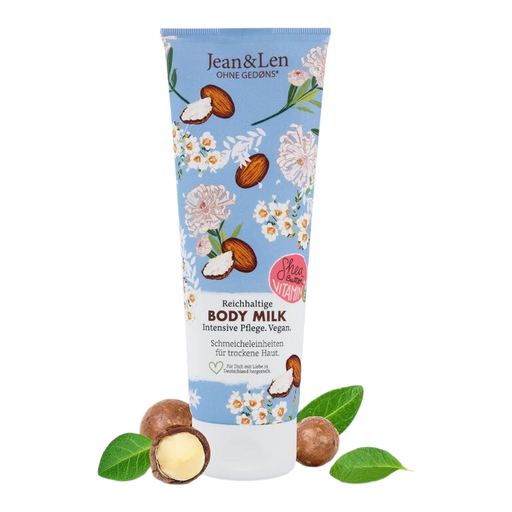
Why this product suits these needs: The 250-ml body milk is designed for daily use after showering and is easy to apply over larger areas.
The product information lists shea butter among the ingredients and clearly states that it can be used on dry areas of skin after showering.
250 ml; shea butter and almond oil in the stated formula; made in Germany.
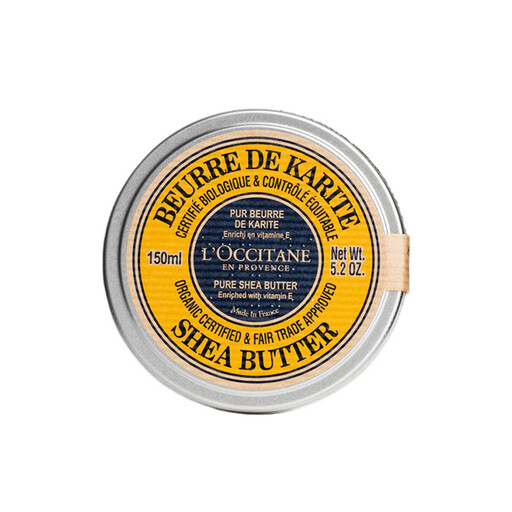
Why this product suits these needs: According to the product information, the formula is 99.8% shea butter and 0.2% tocopherol, making it suitable for a minimalist skincare routine.
The short ingredients list makes it easier to check for fragrances and other additives. The solid consistency is clearly stated.
150 ml; 99.8% shea butter according to the product information; can be used on skin, lips or hair ends.
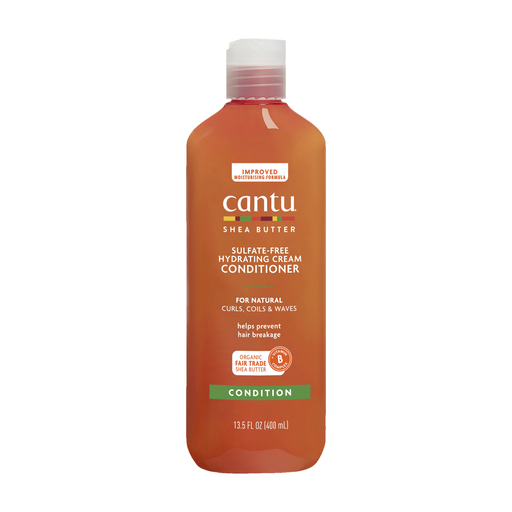
Why this product suits these needs: According to the product description, this 400-ml conditioner is intended for dry, textured or colour-treated hair and is rinsed out after washing.
Its intended use is clearly stated: apply to the lengths of your hair and rinse thoroughly. According to the product information, the formula is free from sulphates, silicones, mineral oil and parabens.
400 ml; shea butter appears near the top of the ingredients list; stated as suitable for natural, textured and colour-treated hair.
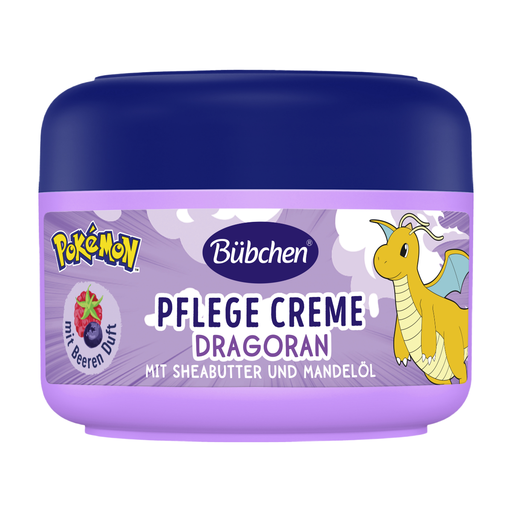
Why this product suits these needs: According to the product information, this cream is intended for dry and sensitive children’s skin on the face and body.
The product information states that it can be used on the face and body, and that it contains no silicones, mineral oil or colourants. Bear in mind its berry fragrance if you’re sensitive to fragrance.
75 ml; shea butter and almond oil; dermatologically tested for skin compatibility according to the product information.
We’ve put together a complete, regularly updated list of products that meet these strict selection criteria and fully comply with the safety regulations in force in the EU.
That depends on your skin type, preferred texture and individual tolerance. Pure shea butter is solid and rich. For the face, a formulated shea butter face cream with a lighter texture may be more practical. If you have sensitive or blemish-prone skin, it’s a good idea to test it on a small area first.
Check the period-after-opening symbol on the packaging, usually shown as an open jar with a number of months. Don’t continue using the product if its smell, colour or consistency changes. Direct sunlight and excessive heat can affect its consistency and quality.
Body butter usually contains a higher proportion of solid or oily skincare ingredients, so it feels richer. Lotion contains more water and is often easier to spread. Your choice will depend on how you want your skin to feel, the time of year, the area of the body and how quickly you’d like it to absorb.