
Lieferung heute & morgen

Qualitätsgarantie

Willkommens-Angebote freischalten: KOSTENLOSE Lieferung | Bis zu 80 % RABATT | Kostenlose 30-Tage-JoyPlus-Testphase
App herunterladen
Shea butter skincare products are often associated with intensive nourishment, natural ingredients and dry skin. The range includes everything from pure shea butter and body butter with shea butter to lip care, facial cleansers and hair conditioners. However, simply claiming that a product is “made with shea butter” tells you little about how it is best used.
If you’re looking to buy shea butter skincare, don’t focus only on the packaging and fragrance. What matters is the intended use, the full INCI list and how well you tolerate the other ingredients. Our selection covers different product types to suit a range of everyday needs.
Shea butter is plant-derived, but a formula can still contain perfume, essential oils, colourants or other ingredients that may cause sensitivity. This also applies to products labelled organic or natural. If you have sensitive skin, it’s worth checking the ingredients list.
Fragrance ingredients such as Limonene, Linalool, Citral or Coumarin are particularly worth looking out for. If you react to nut oils, also check whether the product contains ingredients such as almond oil. Before applying it over a larger area, you may want to test it on a small patch of skin.
Pure shea butter is rich and can become solid at low temperatures. This isn’t a sign of poor quality, but it can affect how easy the product is to use. A light lotion usually absorbs more quickly, while a body butter or balm sits more heavily on the skin.
So, the product with the highest butter content isn’t necessarily the best choice for your face. If your skin is blemish-prone or tends to look shiny, also consider the texture, the oils it contains and how your skin responds.
Cosmetic claims such as “nourishing”, “smoothing” or “for dry skin” describe the product’s intended use, but they aren’t medical claims. Don’t use a product on red, broken or inflamed skin without careful consideration. If symptoms persist, seek advice from a dermatologist.
Different product types suit different areas of the body:
The INCI list is a more reliable guide than claims on the front of the packaging. If you’re looking for vegan shea butter skincare, check for a suitable label. A product containing beeswax isn’t vegan, even if the shea butter itself is plant-based.
If you’re looking for products without silicones or mineral oil, check the ingredients list for the relevant groups of ingredients. Examples such as Dimethicone, Paraffinum Liquidum or Cera Alba may matter for certain buying criteria.
A 35 ml hand cream isn’t comparable to a 200 ml body butter. To assess value for money, consider pack size, amount used and frequency of use together. You’ll find the expiry date and Period After Opening symbol on the packaging. For products in jars, use clean hands to scoop them out; tubes and pump dispensers reduce direct contact with the product.
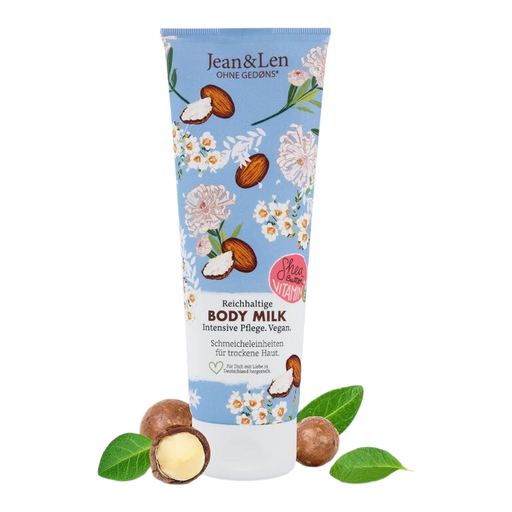
Why it suits this profile: This 250 ml body lotion is designed for use after showering or whenever your skin feels dry, making it a straightforward choice for everyday body care.
The product information lists shea butter in the INCI ingredients and clearly identifies the fragrance ingredients and allergens it contains.
250 ml; contains shea butter and almond oil; designed for everyday use on the body.
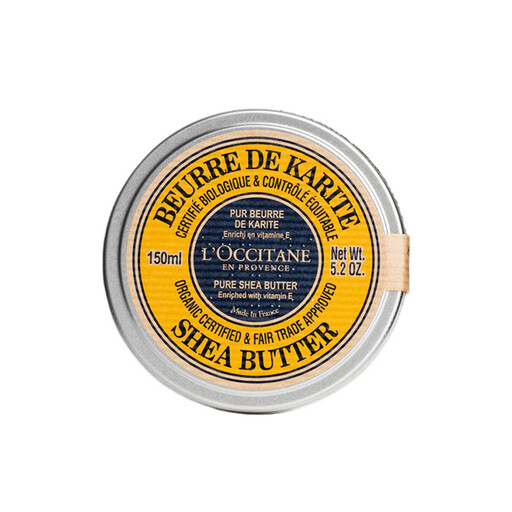
Why it suits this profile: According to the product information, the formula is 99.8% shea butter and 0.2% tocopherol. It’s a good fit if you prefer a very short ingredients list.
The simple formula makes it easier to check for fragrance ingredients, silicones and additional oils.
150 ml; according to the product information, it can be used on skin, lips or hair ends.
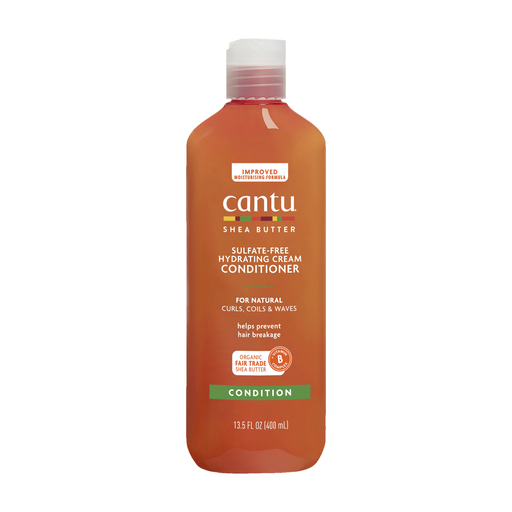
Why it suits this profile: This 400 ml conditioner is designed for dry, textured and colour-treated hair lengths, making it suitable for regular haircare routines.
The product information specifically states that it is free from sulphates, silicones, mineral oil and parabens.
400 ml; contains shea butter and a vitamin B complex according to the product description; intended for hair lengths and ends.
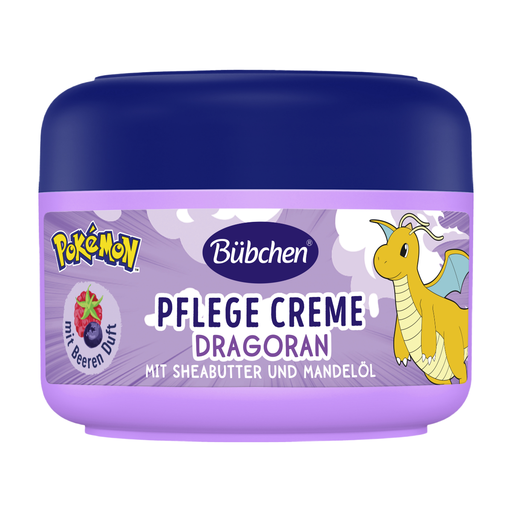
Why it suits this profile: According to the product information, this 75 ml cream is intended for the face and body, and for children with dry or sensitive skin.
The product description notes that it contains no silicones, mineral oil or colourants. The berry fragrance is still worth considering when choosing a product.
75 ml; contains shea butter and almond oil; dermatologically tested according to the product information.
We’ve put together a complete, regularly updated list of products that meet these strict selection criteria and fully comply with the safety regulations in force in the EU.
It depends on your skin type, the texture and how well you tolerate it. Pure shea butter is rich and may suit dry areas of skin. If your skin is sensitive, blemish-prone or irritated, start by testing a small amount. Always follow the instructions for the specific product.
The best-before date and Period After Opening symbol are shown on the packaging. Heat, direct sunlight and unhygienic handling can affect product quality. Pure shea butter may become harder or grainier when the temperature changes; this alone doesn’t mean the product has changed.
No. Shea butter is plant-based, but the overall formula may contain animal-derived ingredients such as beeswax. If you’re looking for vegan shea butter skincare, check the vegan label and the ingredients list for the specific product. Formulas can also change, so check the packaging each time you buy.