
Lieferung heute & morgen

Qualitätsgarantie

Willkommens-Angebote freischalten: KOSTENLOSE Lieferung | Bis zu 80 % RABATT | Kostenlose 30-Tage-JoyPlus-Testphase
App herunterladen
A sheet face mask can complement your daily skincare routine, but it won’t necessarily suit every skin type or routine. Korean face masks, Japanese face masks, hydrogel face masks and traditional sheet masks differ considerably in their wear time, material, ingredients and pack size.
If you focus only on terms such as “Collagen”, “Glow” or “Repair”, you may overlook important details. Three common buying misconceptions are particularly worth bearing in mind:
With a sheet mask for the face, how it sits against your skin matters. Thin sheet materials often fit closely, while thicker fibres can hold more serum. If the cut-outs for your eyes, nose or mouth don’t fit well, the mask may slip or leave parts of your face uncovered.
Hydrogel masks usually feel different on the skin from cellulose or bamboo fibre masks. They’re often designed in two pieces and can mould to your facial contours. So check:
Glycerin, hyaluronic acid, panthenol, betaine or ceramides are often used in products for dry skin. A face mask for sensitive skin should ideally have a straightforward formula. Fragrance, essential oils and certain plant extracts can cause unwanted reactions for some people.
A soothing face mask with Centella asiatica, madecassoside or allantoin may fit into a gentle skincare routine. This isn’t a medical claim and doesn’t replace advice from a dermatologist. If your skin is prone to blemishes, avoid unnecessarily heavy textures. If you’re looking for an anti-ageing face mask, check the actual INCI list rather than relying on marketing claims. Look for ingredients such as peptides, adenosine, ceramides or humectants.
Formulas can change, even for the same product. Always check the ingredients list on the packaging of the item you receive.
Most sheet masks are applied after cleansing and, if you use one, toner. Depending on the product, the recommended wear time is often between 5 and 20 minutes. Hydrogel masks may be different and are sometimes worn for considerably longer.
After removing the mask, gently spread any remaining serum over your skin. You only need to rinse it off if the product instructions say to. If you’re buying a face mask set with lots of individual masks, take care with storage too: keep it somewhere cool and dry, away from direct sunlight. Seal multi-pack pouches carefully after opening.
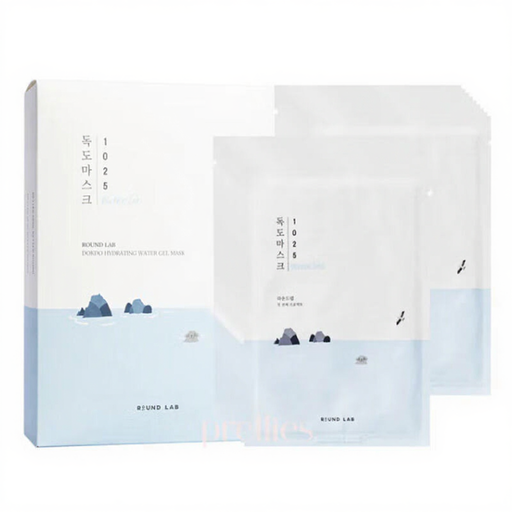
Why this product suits you: With 18 individually wrapped masks, this pack is a good choice if you’d like to start using a Korean face mask regularly without committing to a very large supply straight away.
The recommended wear time of 10–20 minutes helps you avoid leaving the mask on until it dries out. The ingredients list includes glycerin, several forms of hyaluronic acid and panthenol.
18 masks, biodegradable cellulose sheets according to the product information, and a formula focused on hydration.
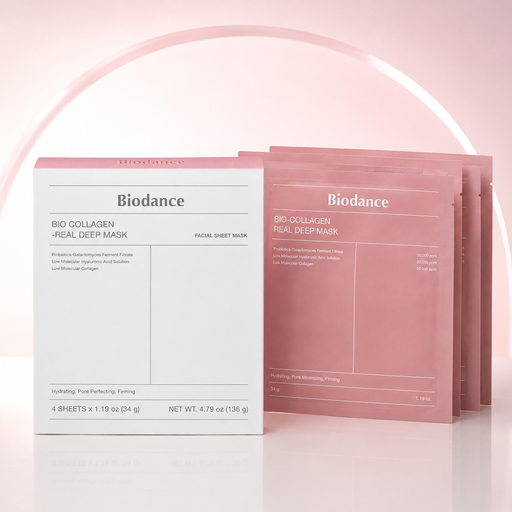
Why this product suits you: This Korean hydrogel face mask may appeal if you prefer a longer treatment and like to check a product’s ingredients carefully before buying.
The product information recommends wearing the mask for 3–4 hours or overnight, clearly setting it apart from a traditional short-wear sheet mask. A patch test is recommended before first use.
Hydrogel material, 4 masks containing 34 g each, and ingredients such as glycerin, collagen extract, niacinamide and hydrolysed hyaluronic acid.
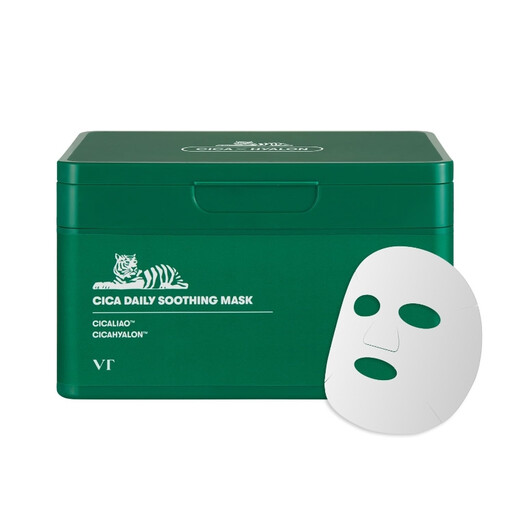
Why this product suits you: With 30 sheet masks in a dispenser, this product is designed for anyone who wants to make a quick masking step part of their daily skincare routine.
The recommended wear time is 10–20 minutes. The included tweezers help you remove masks hygienically, and the multi-pack pouch should be sealed carefully after each use.
30 ultra-thin 0.2 mm sheets, a lightweight ampoule essence, plus Centella asiatica, panthenol and sodium hyaluronate according to the product information.
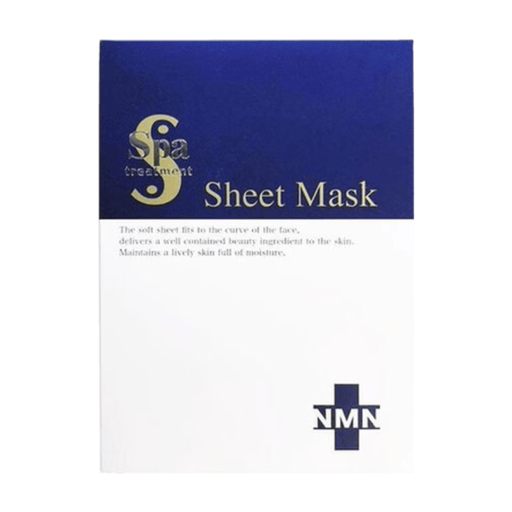
Why this product suits you: This Japanese face mask is a good option for targeted skincare, with a short wear time and a manageable pack of four individually wrapped masks.
The recommended wear time is around 5–10 minutes. Remove the mask before it dries completely, and take particular care to follow the guidance for irritated or damaged skin.
21 ml of essence per mask, plus collagen, several forms of hyaluronic acid and squalane according to the listed ingredients.
We’ve put together a complete, regularly updated list of products that meet these strict selection criteria and fully comply with the safety regulations in force in the EU.
If you have sensitive skin, it’s a good idea to test the product on a small area before using it for the first time. If you experience redness, swelling, itching or burning, remove the product and stop using it. Don’t use sheet masks on broken or very irritated skin.
It depends on the product and its formula. Some masks are designed for daily skincare, while others are recommended once to three times a week. Always follow the manufacturer’s instructions on the packaging. If you have sensitive skin, it’s best to introduce the mask gradually.
Traditional sheet masks are often removed after 5–20 minutes. A hydrogel face mask may have a longer recommended wear time. Don’t assume you can leave it on overnight unless the instructions specifically say so. Always follow the directions for the product you’re using.
A set can work out cheaper per use if you use the masks regularly and keep the packaging hygienic. If you only use them occasionally, individual packs may be a better choice, so you don’t have products sitting open for too long. Choose based on the quantity, how often you’ll use them, shelf life and ingredients list – not just the number of masks.