
Lieferung heute & morgen

Qualitätsgarantie

Willkommens-Angebote freischalten: KOSTENLOSE Lieferung | Bis zu 80 % RABATT | Kostenlose 30-Tage-JoyPlus-Testphase
App herunterladen
A sheet face mask can complement your daily skincare routine when its texture, ingredients and wear time suit your skin type. Options range from Korean sheet masks and Japanese face masks to hydrogel face masks designed to be worn for longer. But eye-catching marketing claims don’t automatically mean a product is right for you.
Terms such as “collagen mask”, “brightening face mask” or “anti-ageing face mask” usually describe how a product is positioned, not a medical effect. Collagen, niacinamide, hyaluronic acid and Centella asiatica may all be included in a cosmetic formula. What matters, however, is the full INCI list, the concentration where stated, and how well the formula as a whole suits your skin.
A classic sheet mask is often used for 10 to 20 minutes. If the sheet dries out completely, your skin may feel uncomfortably tight. Some hydrogel masks are designed to be worn for 30 to 40 minutes or for several hours. Always follow the wear time given in the instructions for the specific product.
Even a formula marketed as a face mask for sensitive skin may contain fragrance, alcohol, essential oils or plant extracts. If your skin is reactive, it’s a good idea to patch test on a small area first. Stop using the mask if you experience burning, redness, itching or swelling. Don’t use a sheet mask on broken or already irritated skin.
For dry skin, humectants such as glycerin, betaine, Sodium Hyaluronate or hyaluronic acid are often useful ingredients. A hydrating face mask may also contain ceramides or panthenol. If you’re looking for soothing skincare, a Cica mask often contains Centella asiatica extracts such as madecassoside or asiaticoside.
Niacinamide, vitamin C derivatives and glutathione are often used for dull-looking skin. However, a brightening face mask shouldn’t be confused with a treatment for pigmentation concerns. If you have a specific skin problem, it’s worth seeking advice from a dermatologist.
The sheet should leave your eyes, nose and mouth clear, fit as closely as possible and sit against the contours of your face. Thin cellulose or bamboo fibres feel lightweight, while thicker materials can hold more liquid. A hydrogel face mask usually adheres closely to the skin and is less likely to drip when used correctly.
A high liquid content isn’t automatically a sign of quality. What matters more is whether the mask stays moist for the recommended wear time and can be removed without pulling too much.
Single masks are handy for trying out a product or taking on holiday. Multi-packs are practical if using a mask once to three times a week fits your routine. For tubs containing 10, 18 or 30 sheets, look for a clean dispensing method, a secure lid and storage instructions that recommend room temperature.
When buying in Germany, it’s also important to check for a clear best-before or use-by date, a full ingredients list and details of the responsible person in the EU. You should be able to check this information on the packaging or with the retailer.
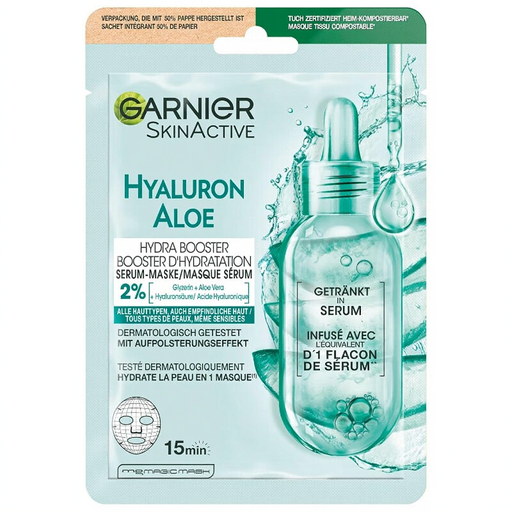
Why this product suits this profile: The 28g single pack is a good choice if you’d like to try a classic sheet mask with aloe vera, glycerin and hyaluronic acid. The product information gives a wear time of 15 minutes.
The manageable pack size reduces the risk of buying lots of masks before you know how well they fit and suit your skin. The ingredients list is provided with the product.
Single-use mask, 28g of serum and a cotton sheet with an aloe vera focus.
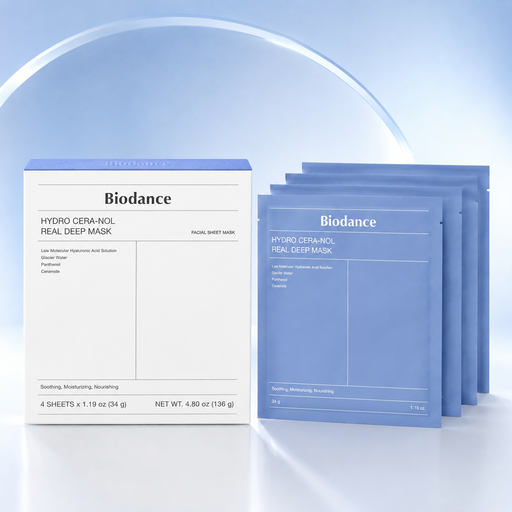
Why this product suits this profile: This four-pack of hydrogel masks is designed for longer use: at least 3 to 4 hours or overnight. The formula lists ingredients including panthenol, ceramides and several forms of hyaluronic acid.
Its clearly stated long wear time helps prevent you from accidentally wearing a standard sheet mask for several hours.
Hydrogel format, four masks per pack, and ceramides and hyaluronic acid in the INCI list.
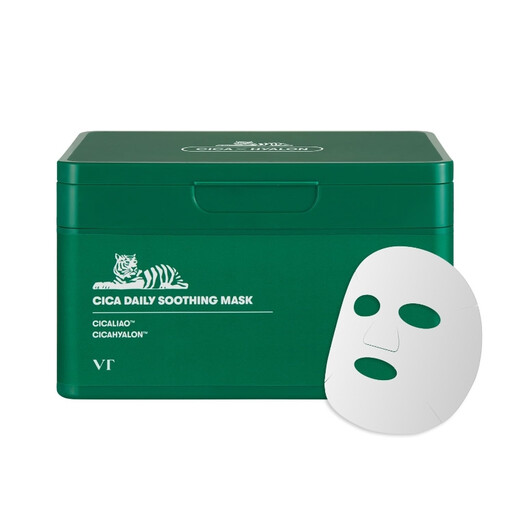
Why this product suits this profile: The pack contains 30 thin sheets and is intended for a short daily application of 10 to 20 minutes. Centella asiatica, madecassoside, panthenol and Sodium Hyaluronate are listed in the ingredients.
The short wear time and included dispensing tweezers make it easier to use the masks hygienically and as part of a planned routine. This mask isn’t designed for overnight use.
30 individual sheets, a stated sheet thickness of 0.2 mm, and a lightweight ampoule essence according to the product description.
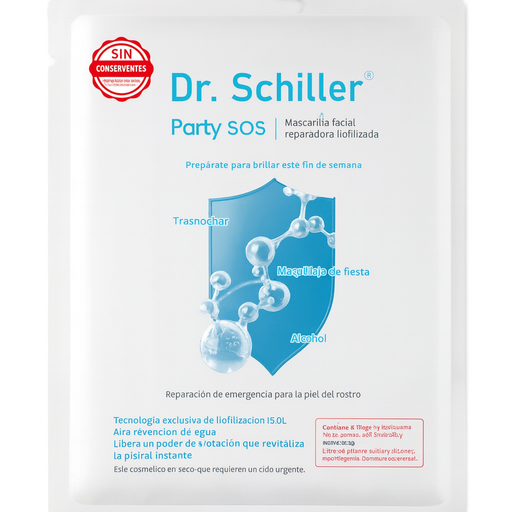
Why this product suits this profile: The dry single-use mask is soaked with your own toner, serum or essence before use. This lets you tailor the liquid to suit your routine. The product description recommends a wear time of 10 to 15 minutes.
As it doesn’t come with a ready-made liquid essence, you can check the formula of the toner you choose separately. Once soaked, the mask must not be reused.
A dry, lightweight single-use sheet and an adjustable application, made from 100% cellulose or cotton fibre according to the product information.
We’ve put together a complete, regularly updated list of products that meet these strict selection criteria and the safety regulations in force in the EU.
A Korean sheet mask, Japanese face mask or classic sheet mask should be stored in a cool, dry place away from direct sunlight. With multi-packs, it’s especially important to remove sheets hygienically.
It depends on the formula and the instructions. Many products are designed for use once to three times a week, while some daily mask formats recommend a short application every day. If you have sensitive skin, start by using the mask less often.
With many wet sheet masks, you simply pat in the remaining essence rather than rinsing it off. A gel mask with specific instructions to rinse it off is an exception. Always follow the directions on the packaging.
The best-before or use-by date is printed on the packaging. Reseal opened multi-packs carefully. Keep dry masks away from moisture; use soaked disposable masks straight after opening.