
Lieferung heute & morgen

Qualitätsgarantie

Willkommens-Angebote freischalten: KOSTENLOSE Lieferung | Bis zu 80 % RABATT | Kostenlose 30-Tage-JoyPlus-Testphase
App herunterladen
A sheet mask promises quick and intensive care for your skin. However, the market is overwhelming, and not every product delivers on its promises. Many users invest in masks that don't suit their skin type or whose advertised active ingredients are present only in trace amounts. This guide will help you identify the crucial features and make an informed choice.
Before making a purchase, it's important to question common marketing claims. Pay attention to these three points to avoid disappointment:
To make the right choice, focus on objective criteria rather than advertising messages. These three parameters are crucial.
The INCI list is ordered by concentration. The ingredients listed at the beginning are present in the highest amounts.
The sheet is the carrier for the serum. Its properties determine how well and for how long the active ingredients are delivered to the skin.
Korean sheet masks and Japanese face masks are often pioneers in formulation and material technology. Brands from these regions frequently specialise in specific skin problems and offer highly concentrated, innovative solutions that go beyond basic hydration.
Here are some recommendations tailored to specific user profiles and their needs.
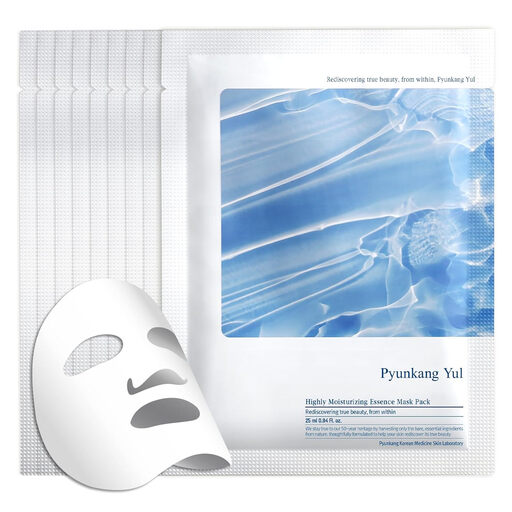
Why This Fits Their Persona: Ideal for those seeking straightforward yet effective hydration. The formula focuses on proven ingredients and is fragrance-free, making it a safe choice for beginners.
This mask bypasses the "active ingredient illusion" by using five types of hyaluronic acid and ceramides as its core components, known for their moisturising and barrier-strengthening effects.
Focuses on intensive hydration without irritation potential. The essence absorbs well and leaves no sticky residue.
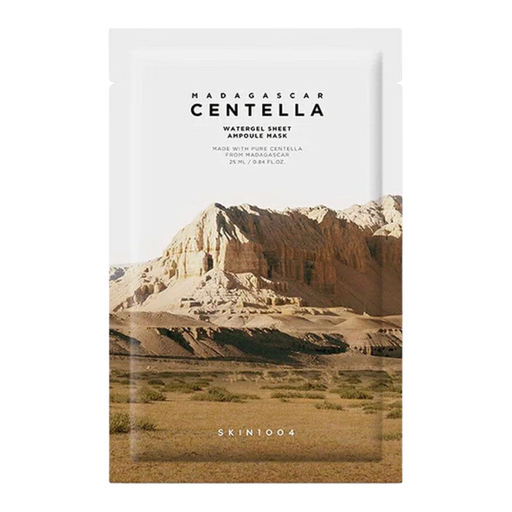
Why This Fits Their Persona: Perfect for users whose skin is prone to redness, irritation, or stress reactions. This Cica mask provides a targeted soothing effect for a balanced complexion.
Avoids the "one-size-fits-all" promise with a highly specialised formula. According to the manufacturer, the essence consists of 51% Centella Asiatica extract, ensuring a high concentration of the main active ingredient.
The water-gel texture of the sheet provides a cooling effect and optimal adhesion. The formulation is designed to soothe and hydrate sensitive skin.
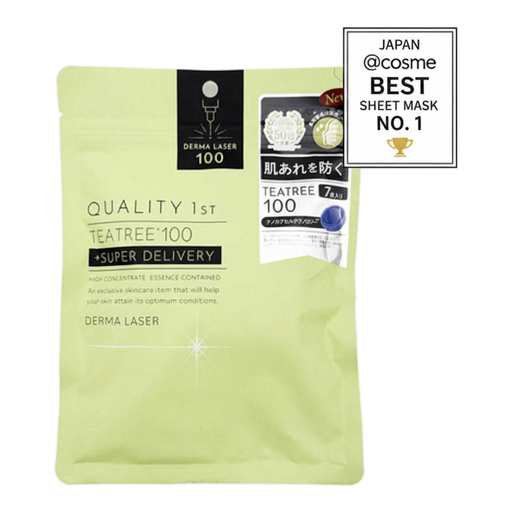
Why This Fits Their Persona: Designed for those with blemish-prone skin who need a quick, clarifying treatment. This Japanese face mask is designed for SOS care.
This mask counters the problem of poor fit. The sheet is designed to adhere closely. According to the manufacturer, it uses a nanocapsule technology to transport active ingredients like tea tree extract deep into the skin.
Focuses on the clarifying and soothing effects of tea tree extract. The short application time of just 3 minutes makes it practical for daily use.
We've compiled a complete, up-to-date list of products that fully meet these strict selection criteria and current safety regulations.
The frequency of use depends on your skin type and the product. A simple hydrating mask can be used 2-3 times a week or as needed. Products with active ingredients like retinol or acids should be used less frequently, for example, once a week, to avoid over-irritating the skin. Some products, often sold in a sheet mask set of 30, are designed for daily use.
No, typically you do not. After removing the mask, an essence remains on the skin. This should be gently patted or massaged in until fully absorbed. Washing it off would remove the nourishing ingredients. Afterwards, you can apply your usual moisturiser to seal in the benefits.
No, sheet masks are single-use products. After application, bacteria from the skin have collected on the sheet. Reusing it would be unhygienic and could lead to blemishes or infections. Additionally, the sheet is already partially dry after the first use and has released most of its serum.