
Lieferung heute & morgen

Qualitätsgarantie

Willkommens-Angebote freischalten: KOSTENLOSE Lieferung | Bis zu 80 % RABATT | Kostenlose 30-Tage-JoyPlus-Testphase
App herunterladen
A shelf is more than just a place for storage—it's an essential part of your interior design that creates order and expresses your personality. But the sheer number of options can be overwhelming. Many models look appealing online, only to turn out to be impractical or unstable after purchase. As your Joybuy Product Recommendation Officer, I'll help you identify the key features to look for and steer clear of common purchasing pitfalls.
Before you choose a model, you should be aware of the most common problems, which often only become apparent after assembly.
To avoid a bad buy, focus on three objective criteria. These will help you objectively assess a shelf's quality and suitability.
The material is the primary factor determining the durability and stability of your shelf.
Two figures are crucial here:
Choose the type that suits your space and needs.
Here are some models that are well-suited for specific user profiles based on their objective features.
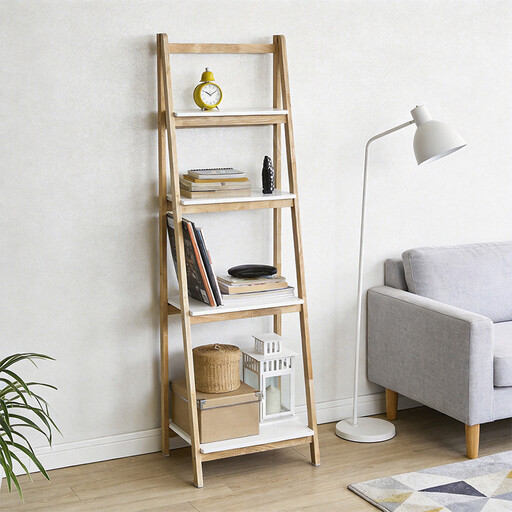
Why this model is a great fit: Ideal for students, renters, or anyone looking for a simple and mobile solution. The shelf can be set up and folded down without any tools, making it extremely practical for moves or room redesigns.
The rubberwood frame provides greater core stability than simple particleboard constructions. The folding function eliminates the risk of incorrect or tedious assembly.
Foldable and ready to use out of the box. The 15 kg load capacity per shelf is well-suited for books and everyday items.
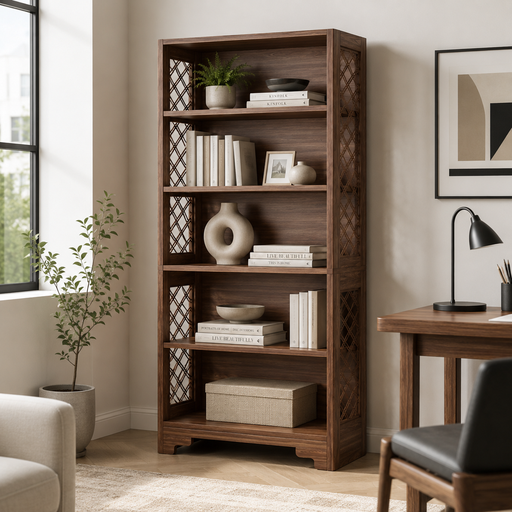
Why this model is a great fit: This tall freestanding shelf is a statement piece for the living room or home office. It combines a warm wood look with a sturdy metal frame and the characteristic X-bracing of the industrial style. Six tiers offer ample space.
The combination of 1.5 cm thick MDF boards and a metal frame ensures high stability and prevents shelves from sagging. The specified load capacity of 34 kg per shelf is a reliable figure for heavy books.
Very high load capacity (up to 34 kg per shelf, according to the manufacturer) and a robust, durable construction. The design is both decorative and functional.
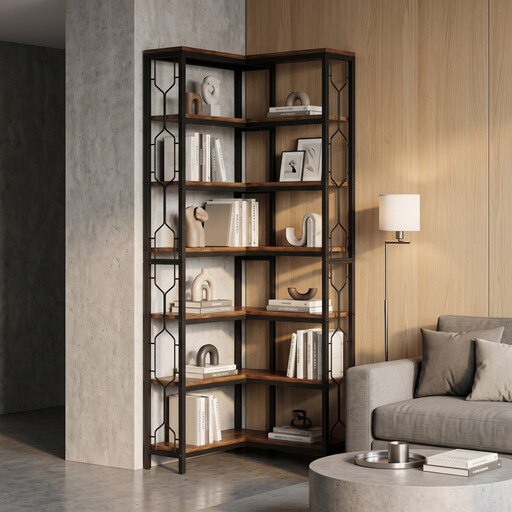
Why this model is a great fit: This corner shelf transforms an unused corner into valuable storage space. With seven tiers and a height of 200 cm, it maximises vertical space and is ideal for living rooms, kitchens, or offices with limited wall area.
It solves the problem of impractical dimensions by being specifically designed for corners. The L-shape, metal frame, and included anti-tip kit ensure a high degree of stability often lacking in makeshift corner solutions.
Maximum space efficiency thanks to its corner design. The very high load capacity of up to 45 kg per shelf (according to the manufacturer) makes it suitable even for heavy items.
We have compiled a complete, up-to-date list of products that fully meet these strict selection criteria and German safety regulations.
Every freestanding shelf should be fixed to the wall using the included anti-tip kit. Check the type of your wall (e.g., concrete, brick, drywall) and use the appropriate wall plugs and screws. A spirit level helps to align the shelf correctly before you mark the drill holes. Mounting it on a load-bearing wall offers the highest level of safety.
This specification defines the maximum weight a single shelf can support without bending or breaking. For optimal stability, you should always place heavy items on the lower shelves and distribute the weight evenly. Do not exceed the specified maximum load.
Both materials have their merits. MDF (Medium-Density Fibreboard) is denser, more resistant to bending, and has smoother edges, making it a great choice for painted finishes and heavier loads. Particleboard is lighter and more cost-effective, making it a solid option for general storage purposes on a smaller budget. The choice depends on your intended use and budget.