
Lieferung heute & morgen

Qualitätsgarantie

Willkommens-Angebote freischalten: KOSTENLOSE Lieferung | Bis zu 80 % RABATT | Kostenlose 30-Tage-JoyPlus-Testphase
App herunterladen
By Your Joybuy Product Recommendation OfficerLast updated: July 14, 2026
Finding the right bread that not only tastes great but also fits a conscious lifestyle and stays fresh longer can be a challenge. Whether for a quick post-workout meal, a staple for a gluten-free diet, or simply as a convenient pantry item, shelf-stable specialty bread offers a convenient and reliable solution. Instead of daily trips to the bakery, it allows for flexible planning and ensures you always have a suitable option on hand.
This buying guide is designed to help you navigate the options available. We'll introduce different types of long-life bread and provide you with objective criteria to find the right product for your needs and, if you wish, order specialty bread online directly.
The selection of shelf-stable breads is vast and tailored to various dietary needs. To make the right choice, three aspects are particularly important.
The nutritional facts are crucial for finding a bread that supports your dietary goals.
buy protein bread, pay attention to the protein content. Products with over 20g of protein per 100g are a good benchmark. At the same time, a low-carb bread is often the right choice, identifiable by a carbohydrate content of less than 10g per 100g.gluten-free crispbread or other breads certified as "gluten-free." A look at the ingredients list confirms that no gluten-containing grains like wheat, rye, or barley are included.pumpernickel, promotes digestion. Products with more than 6g of fibre per 100g are considered high in fibre.The long shelf life is achieved through specific manufacturing and packaging processes.
pantry-stock bread as they often last for several months unopened.Each type of bread has its own characteristic properties in taste and texture.
Here is a selection of products that meet different requirements for taste, nutritional value, and long-life bread.
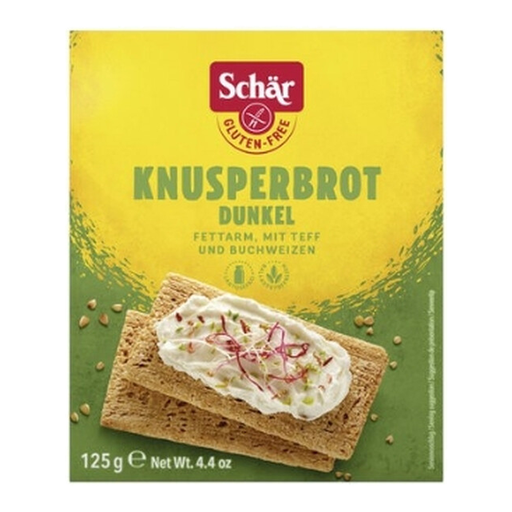
What sets it apart: This crispbread from Sch?r is baked with a blend of 20% teff flour and 10% buckwheat flour. These ancient grains give it a special, slightly earthy taste. The recipe is designed to achieve a light yet crispy texture.
Benefits:
Who is it for?: Ideal for individuals with coeliac disease, lactose intolerance, or a vegan lifestyle. It's a versatile base for anyone looking for a light, crispy, and nutrient-rich bread alternative.
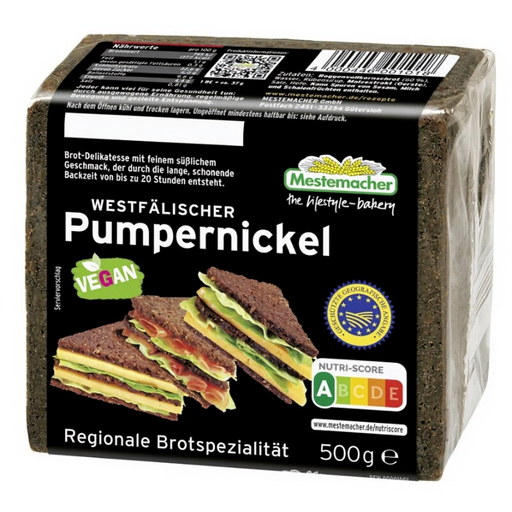
What sets it apart: An authentic pumpernickel in the Westphalian tradition. Its characteristic dark colour and subtly sweet flavour come from an exceptionally long and gentle baking time of up to 20 hours. The main ingredient is cracked whole rye (60%).
Benefits:
Who is it for?: For lovers of classic, German whole-grain bread. Those looking to buy pumpernickel will get a product that is excellent for savoury toppings, canapés, or as a filling base for meals, and is ideal for stocking the pantry.
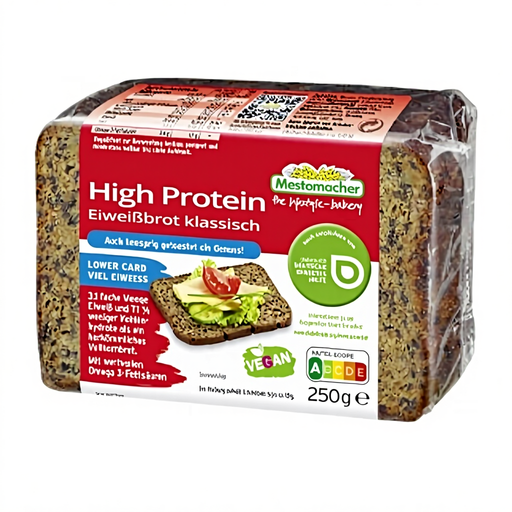
What sets it apart: This specialty bread was developed for a high-protein, carb-conscious diet. According to the manufacturer, it contains about three times more protein and 80% fewer carbohydrates than conventional wheat bread. A mix of wheat and pea protein, along with various seeds, provides a dense, nutty texture.
Benefits:
Who is it for?: Perfect for athletes to support muscle building, for people following a low-carb diet, or for anyone looking for a filling long-life bread that pairs well with savoury toppings.
Didn't find the right fit in our selection? No problem. There are many other specialty breads tailored to different tastes and dietary needs.
? Explore our entire range of bread and find the perfect variety for your pantry.
Unopened, vacuum-packed breads should be stored in a cool, dry place, away from direct sunlight. After opening, it's best to keep the bread in its resealable inner packaging or an airtight container in the refrigerator and consume it within a few days. Dry crispbread must also be stored in a dry place to maintain its crispness.
Yes, shelf life does not have a direct negative impact on nutritional value. Many shelf-stable breads, especially whole-grain, pumpernickel, or protein varieties, are specifically designed to be rich in fibre, protein, and other nutrients. The ingredient list of the specific product is always the deciding factor.
Two types are particularly suitable for a pantry-stock bread: first, vacuum-packed, moist breads like pumpernickel, as they can last for months unopened. Second, dry bread varieties like crispbread are an excellent choice because they retain their quality for a very long time when stored correctly.